
Corn Processing: From Field to Flour – An In-Depth Journey
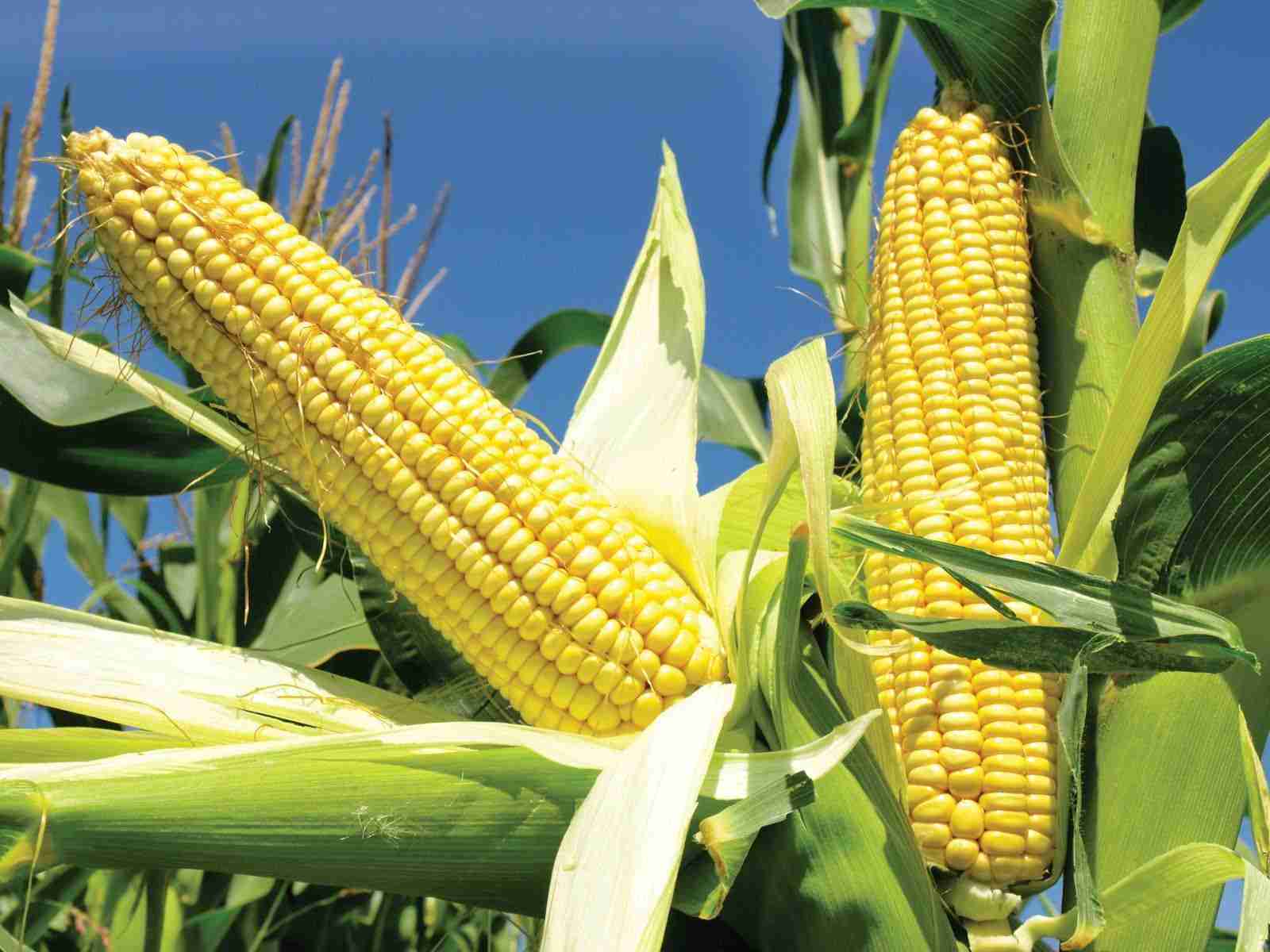
In the vast tapestry of agriculture, few crops hold as prominent a place as corn. This humble grain, once revered by indigenous cultures, has evolved into a cornerstone of modern cuisine and industry. From the sun-drenched fields where golden ears sway gently in the breeze to the bustling mills where kernels are transformed into flour, the journey of corn is nothing short of remarkable. This article delves into the intricate process of corn processing, illuminating each step from the fertile earth to the finely milled product that graces our tables. Join us as we explore the agricultural practices, technological advancements, and historical significance that shape the future of corn and its myriad applications in our daily lives. Through this lens, we hope to foster a deeper appreciation for a staple that nourishes billions around the globe and remains integral to our food systems.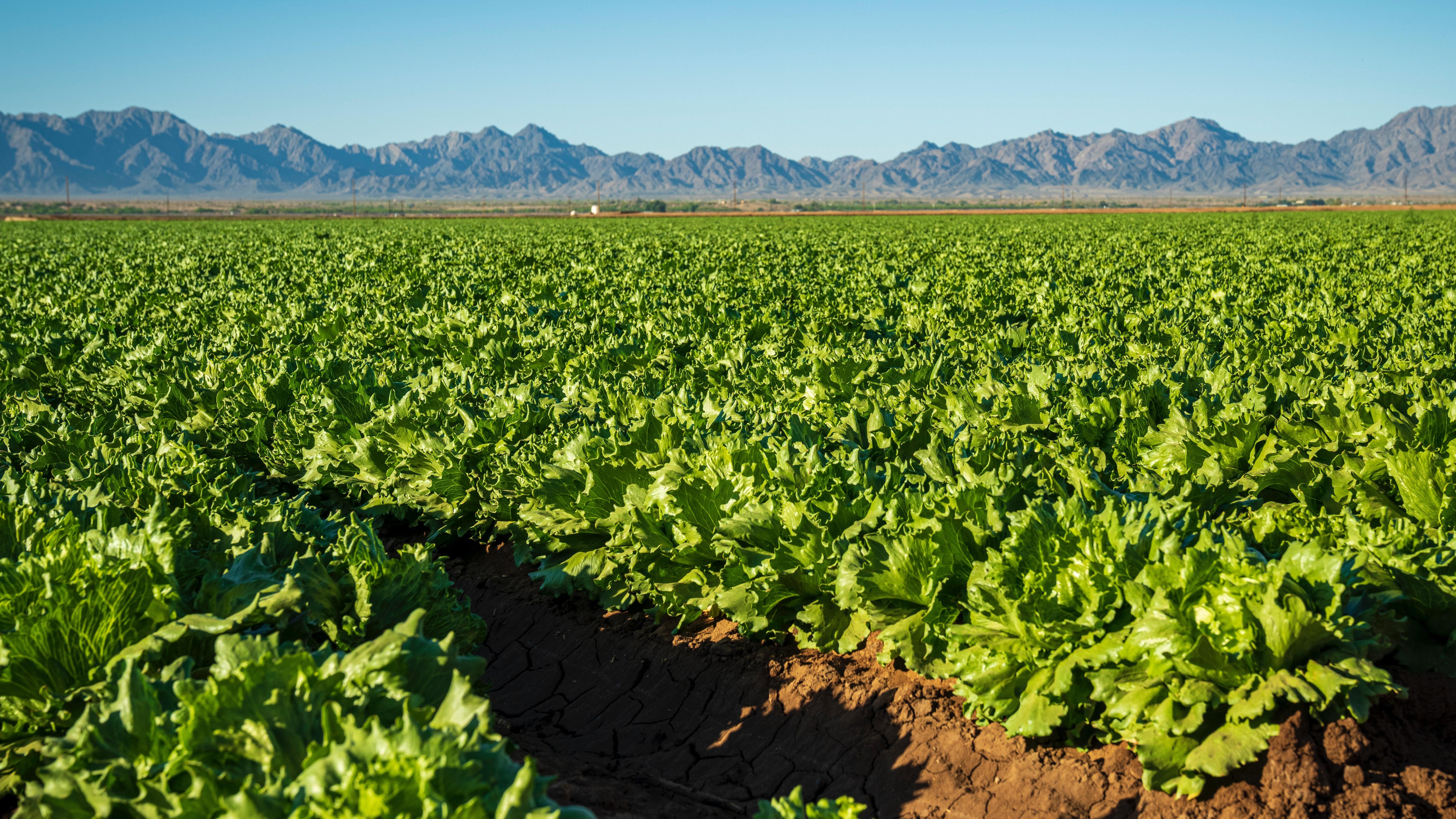
Understanding the Agricultural Backbone of Corn Production
At the heart of the corn industry lies a complex system of agricultural practices that serve as the backbone for efficient corn production. This intricate web includes several fundamental components that ensure a fruitful harvest, each contributing to the overarching goal of transforming raw corn into various products, including flour. Key elements that shape the agricultural landscape of corn production include:
- Soil Health: The quality of the soil plays a crucial role in determining the yield. Healthy, nutrient-rich soil supports robust corn growth.
- Pest and Disease Management: Implementing integrated pest management systems aids in protecting crops from potential threats.
- Irrigation Techniques: Efficient water management supports crop resilience, especially in arid regions.
- Crop Rotation: Implementing diverse planting strategies improves soil fertility and disrupts pest cycles.
Once harvested, the corn undergoes further processing that highlights the value of these agricultural practices. The journey from field to flour involves several stages that not only transform the grain but also amplify its nutritional value and market appeal. A simplified overview of this process includes the following stages:
| Processing Stage | Description |
|---|---|
| Harvesting | The corn is cut, gathered, and prepared for transportation. |
| Cleansing | Grains are cleaned to remove debris and impurities. |
| Milling | The kernels are ground into flour, a process that can vary from coarse to fine. |
| Packaging | The flour is then packaged for distribution to retailers and consumers. |
Exploring the Innovative Techniques in Corn Harvesting
In the ever-evolving landscape of agriculture, the techniques employed in harvesting corn have seen remarkable innovation, improving efficiency and sustainability. The integration of precision agriculture technology, such as GPS-guided machinery, has revolutionized the way farmers approach harvesting. This equipment allows for real-time data collection, enabling farmers to optimize their harvest times and reduce waste. Additionally, the use of drone technology provides aerial views of cornfields, helping farmers identify which areas require immediate attention while also assessing the overall health of the crop. By utilizing these advanced tools, farmers can ensure they are making informed decisions that enhance yield and minimize loss.
Moreover, another groundbreaking advancement lies in the development of automated harvesting equipment. These machines are designed to replace traditional manual labor, significantly reducing the time and effort required for harvesting. Automation not only increases productivity but also mitigates the challenges related to labor shortages. Some of these cutting-edge machines even feature intelligent algorithms that adapt to varying field conditions, further optimizing performance. Farmers are discovering that they can achieve higher levels of efficiency while maintaining the integrity of their crops, leading to enhanced profitability and a more sustainable approach to corn cultivation.

The Science of Milling: Transforming Kernels into Fine Flour
At the core of corn processing lies the fascinating transformation of hard, golden kernels into soft, versatile flour. The journey begins with the careful selection of corn varieties, each possessing unique characteristics that influence the final product. As the kernels move through the milling process, they undergo a series of meticulous operations designed to extract the maximum potential of the grain. The primary steps include:
- Cleaning: This crucial first step involves removing impurities and foreign materials, ensuring the kernels are pure and ready for milling.
- Degermination: Here, the germ and bran are separated from the endosperm, controlling the nutrient quality and flavor profile of the flour.
- Milling: Utilizing roller mills and impact mills, the kernels are finely ground, transforming them into various flour consistencies.
- Oiling (optional): An optional step that can enhance the flour’s texture and prevent clumping.
This advanced milling process is not only about grinding but also about preserving the grain’s nutritional values. The flour produced can be classified based on its texture and fineness, which are determined by the milling technique used. For example, coarser flours are often richer in flavor and nutrients, while finely milled flour provides a smooth texture ideal for baking. Below is a simplified comparison of different types of corn flour:
| Type of Flour | Grain Texture | Common Uses |
|---|---|---|
| Coarse Cornmeal | Rough | Polenta, cornbread |
| Medium Corn Flour | Medium | Thickening agent, muffins |
| Fine Corn Flour | Fine | Baking, pancakes |
Sustainability Practices in Corn Processing for Future Generations
As the global community increasingly recognizes the importance of sustainable practices, corn processing emerges as a key industry ripe for innovation. By adopting eco-friendly measures throughout the production lifecycle, companies can reduce their environmental footprint while ensuring the longevity of corn as a vital resource. Here are some of the prominent practices being integrated into corn processing operations:
- Minimal Waste Processing: Implementing technologies that optimize the use of raw materials to minimize by-products.
- Water Conservation: Recycling water during processing to diminish the volume of waste and preserve local water resources.
- Renewable Energy Utilization: Transitioning to solar and wind energy setups to power processing plants, reducing reliance on fossil fuels.
- Organic Farming Partnerships: Collaborating with organic corn suppliers to promote biodiversity and reduce pesticide usage.
In addition to these sustainable measures, innovation in packaging and transportation also plays a crucial role in making corn processing more sustainable. By utilizing biodegradable materials and enhancing logistics efficiency, companies can significantly lower their carbon emissions. Below is a brief overview of how various aspects of corn processing are evolving:
| Aspect | Traditional Approach | Sustainable Shift |
|---|---|---|
| Water Use | High-volume water consumption | Closed-loop water systems |
| Energy Sources | Fossil fuel reliance | Renewable energy adoption |
| Packaging | Plastic and non-recyclables | Biodegradable and recyclable materials |
Closing Remarks
As we conclude our exploration of corn processing—from the sun-drenched fields where golden kernels ripen to the bustling mills where they are transformed into fine flour—we come to appreciate the intricate dance of nature, science, and industry. Each step of this journey reveals not just the conversion of a humble grain into a versatile ingredient but also the stories of farmers, processors, and consumers woven into the fabric of our food system.
Corn flour, whether it graces the shelves of local markets or serves as the foundation for culinary masterpieces worldwide, stands as a testament to human ingenuity and the enduring partnership with the land. As we reflect on this process, we are reminded that every bite of cornbread, tortilla, or polenta carries with it the echoes of labor, innovation, and tradition.
the journey from field to flour is more than a logistical pathway; it is a celebration of the remarkable transformation that defines our relationship with food. As consumers, we have the power to honor this journey by choosing to support sustainable practices and local producers. With each meal we prepare, let us remain mindful of the hands that bring these golden grains from the earth to our tables, enriching our diets and connecting us to the rhythms of nature.



