
Transforming Rice: Inside the Paddy Processing Factory
Nestled in the heart of agricultural landscapes, where golden fields sway gracefully under the sun, lies a world of transformation that often goes unnoticed by the casual observer. The journey of rice, a staple food for billions, begins in these verdant paddies and culminates in the intricate machinery of processing factories. Here, amidst the hum of technology and the rich aroma of grains, raw paddy undergoes a remarkable metamorphosis. This article invites you to step inside the paddy processing factory, where tradition meets innovation, and explore the meticulous processes that turn simple grains into the versatile rice products that grace our tables. We’ll delve into the stages of milling, the technology that drives efficiency, and the people whose skills ensure that each grain is primed to nourish communities around the globe. Join us as we uncover the art and science of rice transformation that continues to shape culinary traditions and agricultural practices.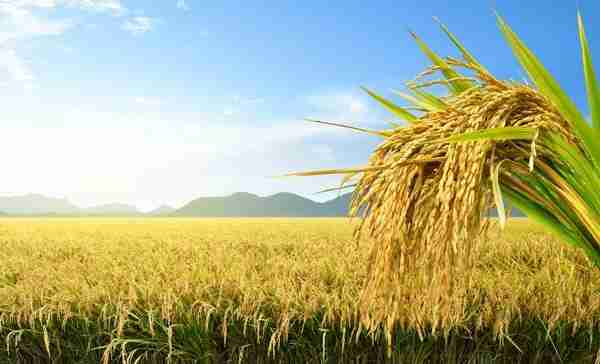
Exploring the Journey from Paddy to Processed Grain
From the lush green fields to the bustling heart of a processing factory, the transformation of paddy into grain is a remarkable journey filled with intricate techniques and a deep respect for tradition. The first step begins with harvesting, where mature rice plants are carefully cut and collected. Once harvested, the paddy undergoes cleaning to remove impurities such as stones and dirt. This meticulous process is followed by drying, where the moisture content is carefully controlled to ensure optimal quality and flavor preservation. Each step is crucial to enhancing the grains’ taste and longevity, setting the stage for the next phase.
At the processing facility, the paddy is separated from its hull through a process called milling. The husk is removed to reveal the white rice that consumers are familiar with. Following this, the rice is further polished to achieve that perfect shine and texture. The final stage involves packaging, where the rice is sorted into various grades based on size, flavor, and visual appeal. This attention to detail ensures that consumers receive only the best quality rice. Below is a table showcasing the stages of transformation:
| Stage | Description |
|---|---|
| Harvesting | Collecting mature rice plants from fields. |
| Cleaning | Removing impurities such as stones and dust. |
| Drying | Controlling moisture for preservation. |
| Milling | Removing husks to reveal rice grains. |
| Polishing | Enhancing the appearance and texture. |
| Packaging | Sorting and preparing rice for distribution. |

Innovative Techniques Shaping Modern Rice Processing
In the rapidly evolving landscape of agriculture, rice processing has undergone a remarkable transformation driven by innovative techniques that enhance efficiency and product quality. One of the most impactful methods is infrared drying, which utilizes precise heat control to reduce moisture content while preserving the nutritional value of grains. Alongside this, brine soaking technology has emerged, allowing for enhanced flavor and texture by soaking the rice in salted water prior to cooking. This not only improves the end product but also reduces cooking time, further appealing to the modern consumer’s need for convenience.
Moreover, advancements in automated sorting systems equipped with artificial intelligence and machine learning have revolutionized quality control. These smart machines can detect impurities and sort grains with unmatched precision, ensuring that only the highest quality rice reaches consumers. In addition, eco-friendly milling techniques are being adopted to minimize waste, employing processes that convert by-products into valuable resources. Such innovations are reshaping rice processing factories into hubs of sustainability and efficiency, paving the way for a greener future in rice production.

Sustainability Initiatives in Rice Mill Operations
In an era where environmental consciousness shapes operational techniques, rice mills are adopting various practices to reduce their environmental footprint. These initiatives range from energy-efficient machinery to waste management systems that repurpose byproducts. By focusing on sustainable practices, rice mills can achieve operational efficiency while minimizing their ecological impact. Some of the significant measures implemented include:
- Solar Energy Integration: Many mills are installing solar panels to harness renewable energy, substantially decreasing dependency on fossil fuels.
- Water Conservation Systems: Advanced irrigation techniques and wastewater recycling facilities help conserve water, a crucial element in rice production.
- Biomass Utilization: By converting rice husks and straw into biomass energy, mills can reduce waste and create an eco-friendly energy source.
In addition to operational improvements, rice mills are also committed to community engagement and education regarding sustainability. This often includes training programs for farmers on sustainable farming practices and the significance of organic rice production. These programs not only enhance the quality of the paddy but also boost the income of local farmers. Effective partner collaborations can be seen in:
| Collaboration Partner | Key Contribution |
|---|---|
| Local NGOs | Providing training sessions on sustainable practices. |
| Research Institutions | Conducting studies on pest management and soil health. |
These aligned efforts signal a transformative journey towards a more sustainable model of rice production, showcasing that progress and environmental stewardship can go hand in hand in the modern agricultural landscape.
Enhancing Quality Control and Efficiency in Processing Methods
In the quest for superior rice quality and streamlined operations, modern paddy processing factories are implementing a suite of innovative quality control measures. Automated grading systems now play a crucial role in sorting grains based on size, weight, and quality, ensuring only the best reach consumers. Additionally, real-time monitoring technologies have been adopted to track moisture levels and detect contaminants, fostering an environment of continuous improvement. These advancements not only enhance the quality of the final product but also reduce waste and optimize resource utilization, ultimately leading to a more sustainable processing cycle.
The role of workforce training cannot be overstated in this transformation. Empowering employees through ongoing education on new technologies and quality standards helps instill a culture of responsibility and precision. Moreover, the integration of lean manufacturing principles has enabled factories to identify inefficiencies and eliminate unnecessary processes. This focus on collaborative problem-solving facilitates a seamless workflow and enhances productivity. As the industry evolves, the commitment to quality and efficiency becomes not just a goal, but an inherent aspect of the processing ethos.
| Quality Control Technology | Benefits |
|---|---|
| Automated Grading Systems | Ensures uniform quality, reduces manual errors |
| Real-time Monitoring | Immediate detection of quality issues, enhances safety |
| Lean Manufacturing Principles | Improves efficiency, reduces waste, increases output |
Key Takeaways
As we journeyed through the heart of the paddy processing factory, we witnessed the remarkable transformation of humble rice grains into the nourishing staple that graces tables across the globe. The intricate dance of technology and tradition serves as a testament to human ingenuity and resilience. From the gentle sway of golden fields to the rhythmic hum of machinery, every step in the processing chain tells a story of commitment to quality, sustainability, and community.
While rice may seem simple, the processes behind its transformation are anything but. They embody a fusion of science and art, underscoring the importance of careful stewardship of resources and the dedication of countless individuals who labor behind the scenes. As we reflect on this intricate process, we are reminded that every grain of rice carries with it a rich narrative of culture, heritage, and the tireless pursuit of excellence.
In a world where food production faces increasing challenges, the innovations seen in these processing plants offer a glimpse into a future where we can continue to appreciate this vital grain. So, the next time you savor a bowl of rice, remember the journey it has taken from lush paddies to your plate—a journey that is as multifaceted as the grain itself. Whether enjoyed with a simple stew or as part of a grand culinary creation, rice remains a symbol of sustenance and connection. In our ongoing quest for sustainable food practices, let us celebrate this small but significant grain that nourishes millions and connects cultures around the world.



