
Inside the World of Rice Processing: A Grain’s Journey
In the heart of the world’s kitchens lies an unassuming yet vital staple: rice. This humble grain, revered across cultures and cuisines, embarks on a remarkable journey long before it graces our plates. From the sun-drenched paddies swaying rhythmically in the breeze to the intricate machinery of processing facilities, the path of rice is a story woven with tradition, innovation, and sustainability. As we delve into the world of rice processing, we uncover the meticulous steps that transform raw grains into the beloved food that nourishes billions. Join us on this exploration of the stages that define rice’s journey, revealing the artistry and science behind one of humanity’s oldest cultivated crops.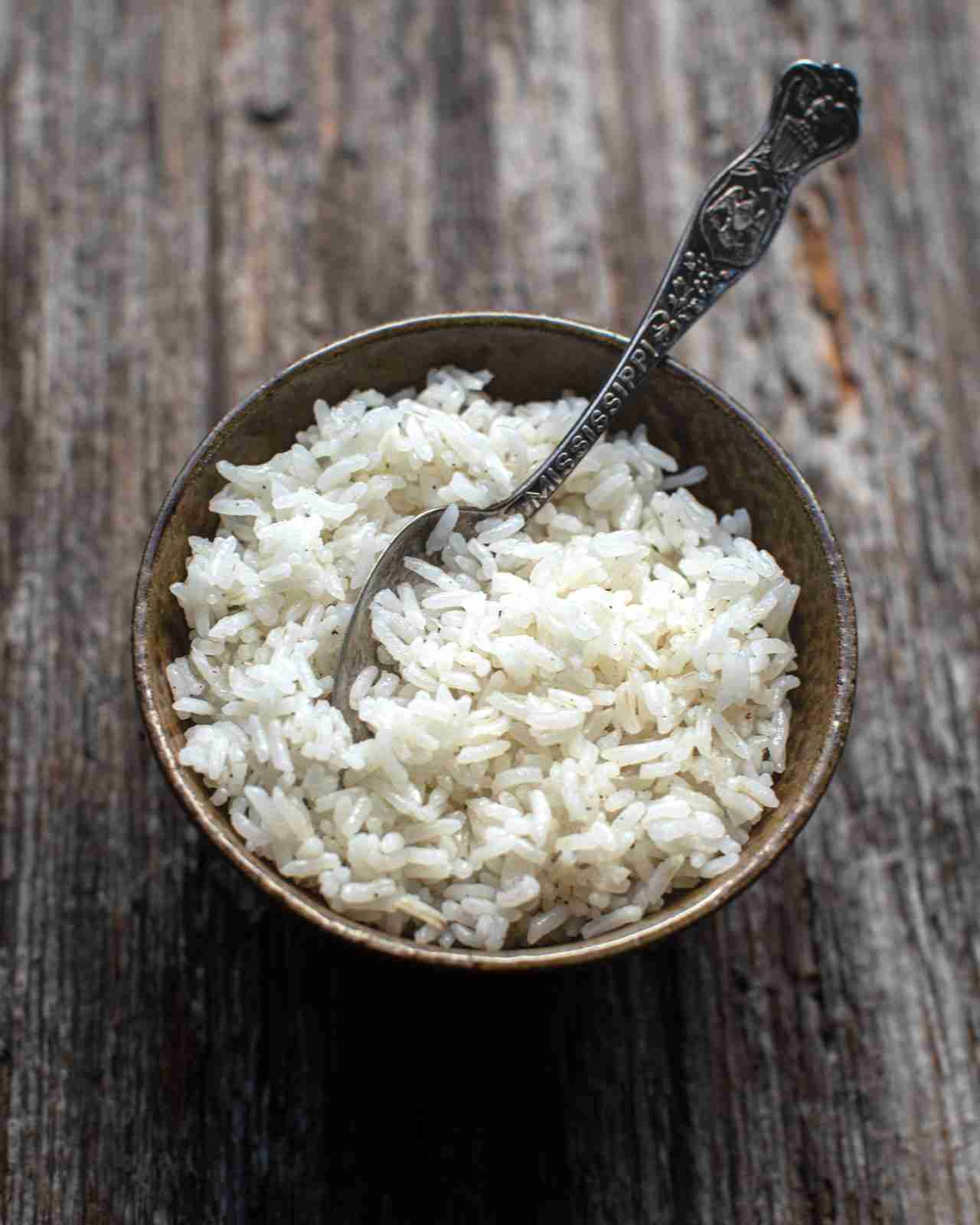
The Lifecycle of Rice: From Field to Mill
The journey of rice begins with the careful selection of seeds, often chosen based on local climate conditions and desired characteristics. Farmers prepare their fields, using traditional methods or modern technology to cultivate the land. Once the soil is ready, the seeds are sown in flooded fields, a process known as paddy cultivation. This environment inhibits weed growth while providing the rice with the necessary nutrients. As the rice plants grow and flourish under the sun, they go through several stages of development—emergence, tillering, flowering, and ripening—each critical to achieving a bountiful harvest.
Harvesting occurs when the grains reach their optimal maturity, usually indicated by a golden hue and a firm texture. Farmers utilize specialized equipment, ranging from traditional sickles to modern combine harvesters, to efficiently gather the rice. Once collected, the rice undergoes threshing to separate the grains from the stalks. After threshing, the grains are dried to reduce moisture content, thus preventing spoilage during storage. The final step in this journey involves milling, where the outer husk is removed, revealing the white rice most consumers are familiar with. Throughout this process, quality control measures ensure that only the best grains make it to the market.

Techniques of Transformation: Understanding the Processing Methods
At the heart of rice processing lies a medley of techniques that transform this humble grain into the staple we cherish. Each method plays a pivotal role, sculpting the texture and flavor while preserving nutritional value. Among the most influential techniques is milling, wherein hulled grains are polished to remove bran and germ layers, resulting in the white rice familiar in many kitchens. The milling process can be classified into two main categories: modern milling and traditional milling. This distinction is important as modern methods tend to employ sophisticated machinery, ensuring higher yields and a uniform grain size, while traditional milling often embraces a more rustic approach, working with stone grinders that may impart unique characteristics to the rice.
Additionally, the processing journey incorporates several supplementary techniques that further enhance the rice’s appeal. These include parboiling, which involves soaking and steaming the rice before drying; this process not only helps in retaining nutrients but also contributes to the grain’s firmness and separation during cooking. Other notable mentions are fermentation and fortification, each offering distinct culinary advantages and health benefits. To illustrate these techniques, here’s a brief overview:
| Processing Method | Purpose |
|---|---|
| Milling | Refines the grain by removing outer layers and enhancing shelf-life. |
| Parboiling | Increases nutrient retention and improves cooking properties. |
| Fermentation | Enhances flavor and increases digestibility. |
| Fortification | Adds vitamins and minerals to improve nutritional value. |

Quality Control: Ensuring Excellence at Each Stage
In the intricate journey of rice processing, quality control plays a pivotal role at every stage, ensuring that each grain meets high standards before reaching the consumer. From the moment the paddy is harvested, meticulous attention is given to the selection of raw materials, grading, and handling practices. This phase involves rigorous testing for moisture content, impurities, and damage, ensuring that only the best grains continue in the processing line. Key steps in this phase include:
- Harvest Inspection: Evaluating the condition and quality of the harvested crop.
- Pre-Cleaning: Removing unwanted debris and foreign materials.
- Moisture Testing: Ensuring optimal moisture levels to prevent spoilage.
As rice moves through the various processing stages, continual sampling and testing ensure consistency in texture, aroma, and taste. Quality control teams implement standards that comply with industry regulations, while also meeting consumer expectations. The processing line integrates both human expertise and state-of-the-art technology to maintain these standards, highlighting a collaborative effort that maintains excellence. Regular audits and assessments enable the identification of any variations that may arise, leading to prompt corrective actions. The core elements of this continual assessment include:
- Visual Inspections: Checking appearance and integrity at each processing stage.
- Laboratory Testing: Conducting analyses for flavor profiles and nutritional content.
- Feedback Mechanisms: Gathering consumer and market input to inform quality guidelines.
| Stage of Processing | Quality Control Measure |
|---|---|
| Harvesting | Moisture and impurity checks |
| Milling | Texture and color refinement |
| Packaging | Sealing integrity evaluations |
Sustainability Practices: Navigating the Future of Rice Processing
The rice processing industry is undergoing a significant transformation, driven by a growing awareness of environmental concerns and the need for ethical practices. With a focus on reducing waste and conserving resources, many facilities are now adopting innovative methods that not only enhance the quality of the grain but also minimize their ecological footprint. Sustainable water management, renewable energy sources, and eco-friendly packaging are just a few of the strategies that are becoming essential components of modern rice processing operations. By harnessing technology, producers can keep track of resource usage and implement changes that lead to more efficient workflows while respecting nature.
Further enhancing these sustainability initiatives is the commitment to social responsibility along the supply chain. This includes empowering local farming communities through fair trade practices and providing training on environmentally friendly cultivation methods. Rice processors are increasingly prioritizing partnerships with growers who implement integrated pest management and crop rotation techniques, which help maintain soil health and biodiversity. A closer alignment between production and consumption is evident as consumers become more conscientious about the goods they purchase. In recognizing this, many companies are now reporting their sustainability metrics transparently, forging a new path toward a resilient and environmentally responsible industry.
Key Takeaways
As we conclude our exploration of the intricate journey of rice from paddy to plate, we invite you to reflect on the myriad hands and processes that shape this humble grain into a staple food cherished across cultures. Each stage, from harvesting and drying to milling and packaging, is a testament to the skill and dedication of countless individuals who work tirelessly behind the scenes.
Understanding this journey not only enhances our appreciation for rice as a dietary cornerstone but also opens our eyes to the challenges and innovations within the rice processing industry. As we nourish our bodies with this versatile grain, let us also acknowledge its journey, a blend of tradition and technology that continues to evolve.
In a world where food production faces challenges from climate change to globalization, the story of rice serves as a reminder of resilience and adaptability. Whether enjoyed in a bowl of steaming sushi or as an accompaniment to a comforting curry, the next time you savor rice, remember the remarkable journey it undertook to reach your table.



