
Unlocking Potential: The Art and Science of Paddy Processing
In the gentle sway of golden fields, where the hum of nature intertwines with the labor of countless hands, lies a hidden narrative of transformation and innovation. Paddy processing, a time-honored tradition, represents more than just an agricultural practice; it is the symbiotic blend of art and science that unlocks the potential of one of the world’s most essential staple crops. As farmers cultivate the rich soil and nurture their harvest, a delicate alchemy takes place—raw paddy is metamorphosed into rice, a food that sustains billions. From the intricacies of modern machinery to the age-old techniques passed down through generations, this article delves into the multifaceted journey of paddy processing. We explore its historical roots, its technological advancements, and the sustainable practices that are reshaping its future. Join us as we unveil the complexities and beauty behind this critical agricultural enterprise, where every grain carries the stories of those who toil to bring it to our tables.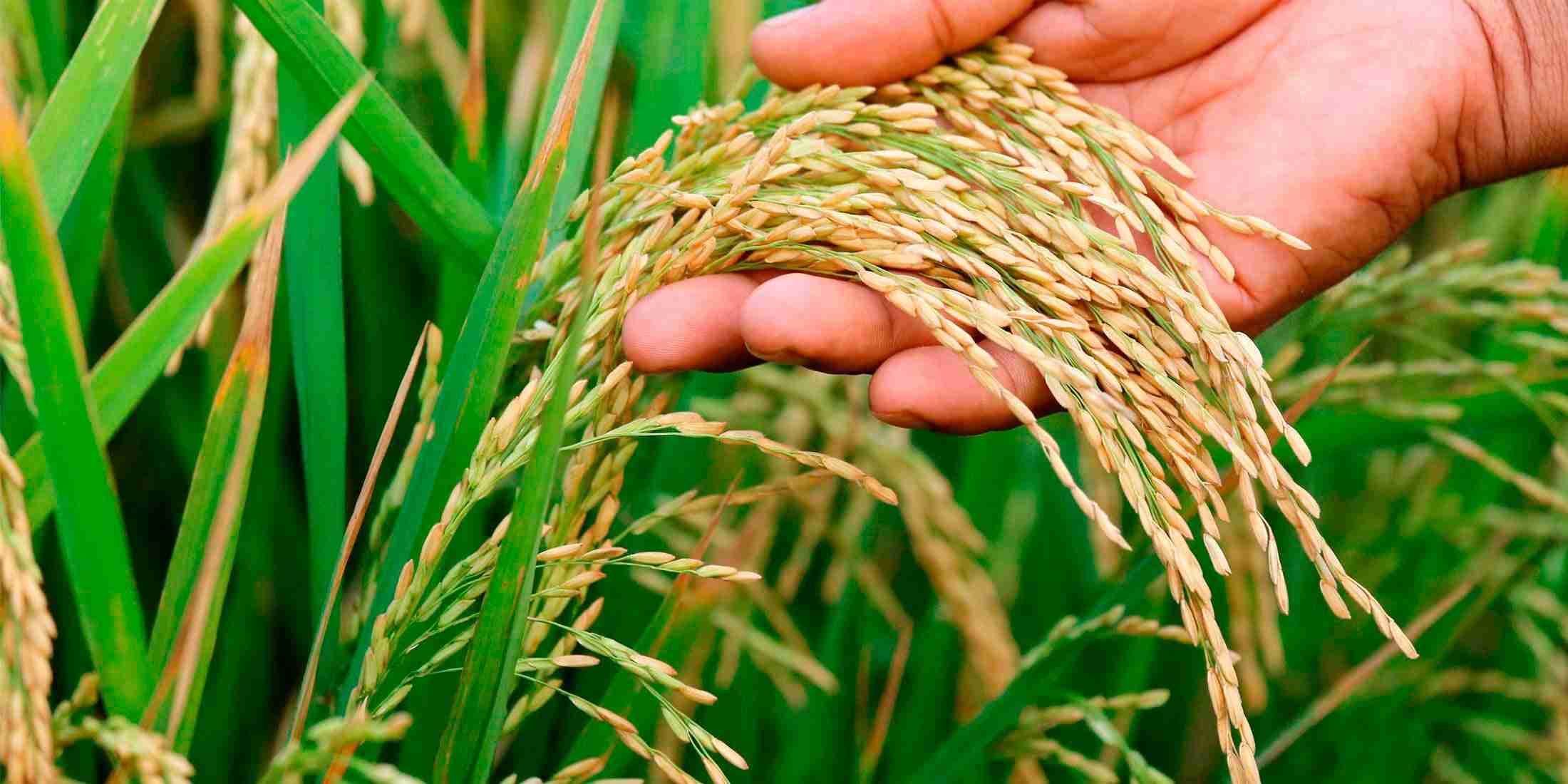
Understanding the Journey from Paddy to Rice
The transformation from paddy to rice is a fascinating journey that intertwines both nature and human ingenuity. It begins in the lush fields where paddy, the cultivated rice plant, flourishes under optimal conditions. After harvesting, the paddy is carefully collected, preserving the grains which are encased in a hard husk. This initial step is crucial, as the quality of the paddy will ultimately influence the flavor and texture of the rice produced. The next phase involves drying, where the moisture content is meticulously regulated to prevent spoilage and enhance preservation. This process not only prepares the grains for processing but also plays a vital role in ensuring the durability of rice during storage and transport. The key steps include:
- Harvesting the paddy from the fields
- Drying the harvested paddy to achieve optimal moisture content
- Threshing, which separates the rice grains from the husks
- Cleaning and sorting grains to remove impurities
As the paddy moves to the milling stage, the art and science of rice processing come into play. This is where the rice grains undergo a meticulous transformation, beginning with hulling to remove the outer husk. Following this, the grains are polished to remove the bran layer, resulting in white rice prized for its culinary versatility. During this process, it’s essential to balance efficiency with quality, as over-milling can lead to nutrient loss. To illustrate the impacts of different milling strategies, consider the comparative outcomes presented below:
| Type of Milling | Grain Texture | Nutritional Value | Cooking Time |
|---|---|---|---|
| Traditional Stone Milling | Coarser | Higher | Longer |
| Modern Roller Milling | Smoother | Lower | Quicker |

Innovative Techniques for Enhancing Grain Quality
Advancements in paddy processing have rekindled interest in achieving superior grain quality through innovative methods. Aeration techniques and controlled drying have emerged as pivotal strategies, allowing for optimal moisture content and reducing the risk of spoilage. By utilizing smart sensors, processors can monitor temperature and humidity levels in real-time, ensuring that paddy undergoes treatment under ideal conditions. This not only elevates the quality of the rice but also contributes to reduced post-harvest losses. Additionally, technologies such as ultrasonic cleaning help in removing impurities, resulting in polished grains that retain their natural properties.
Moreover, genetic improvements combined with precision agriculture techniques are redefining how we perceive grain quality. Integrating data analytics into the farming process enables farmers to tailor their cultivation practices to specific soil types and climates, enhancing the nutritional value of the grains produced. The following table illustrates some of the emergent technologies paired with their benefits:
| Technology | Benefits |
|---|---|
| Smart Sensors | Real-time monitoring for optimal storage conditions |
| Aeration Techniques | Improved moisture control and reduced spoilage risk |
| Genetic Improvements | Enhanced resilience and nutritional value |
| Precision Agriculture | Customized approaches for higher yield efficiency |
By marrying traditional knowledge with modern technology, producers can unlock the full potential of their harvests. This nuanced approach not only paves the way for higher quality rice but also promotes sustainability in agricultural practices.
Sustainable Practices in Paddy Processing
The paddy processing sector has witnessed a transformative shift towards eco-friendly methodologies, prioritizing both efficiency and sustainability. By adopting innovative techniques, processors can minimize waste, enhance resource use, and reduce their environmental footprint. Key practices include:
- Water Management: Implementing precision irrigation systems to optimize water use and protect local ecosystems.
- Waste Utilization: Transforming by-products like husks and bran into bioenergy or organic fertilizers, creating a circular economy.
- Energy Efficiency: Employing energy-efficient machinery and renewable energy sources to lower carbon emissions.
- Organic Processing: Choosing organic methods that avoid synthetic fertilizers and pesticides to ensure a healthier product and farm ecosystem.
Moreover, the adoption of sustainable practices is often supported by collaboration among stakeholders. This includes partnerships with research institutions to innovate new technologies, educational programs for farmers, and community initiatives aimed at promoting responsible paddy cultivation and processing. A quick overview of some partnerships could look like this:
| Partner | Focus Area |
|---|---|
| Local Farmers | Training on sustainable practices |
| Research Institutions | Development of eco-friendly technologies |
| Community Organizations | Awareness campaigns for sustainability |
Maximizing Yield: Best Equipment and Technology Options
To elevate paddy processing and enhance yield, employing cutting-edge equipment and innovative technologies is crucial. Farmers and processors are increasingly turning to precision farming tools that allow for real-time monitoring and data collection. With these tools, they can analyze soil health, moisture levels, and crop conditions, which ultimately aids in making informed decisions for optimal production. Key components to consider include:
- Automated Harvesters: Reduce labor costs and enhance efficiency.
- Grain Dryers: Control moisture content to ensure better quality and storage longevity.
- Sorting Machines: Improve grain quality by removing impurities and damaged kernels.
In addition to equipment, integrating smart technology can further maximize yields. For instance, the use of drones for aerial imaging can provide insights into crop health and plant vigor, guiding targeted interventions. Moreover, employing smart sensors in-field can help monitor environmental conditions, ensuring optimal care for the paddy crops. A comparative overview of various technological options can be summarized as follows:
| Technology | Benefits | Application |
|---|---|---|
| Automated Harvesters | Increased Efficiency, Reduced Labor | Harvesting |
| Grain Dryers | Quality Preservation, Extended Storage Life | Post-Harvest Processing |
| Drones | Real-Time Crop Surveillance, Data Analysis | Field Monitoring |
Future Outlook
As we draw the curtain on our exploration of “Unlocking Potential: The Art and Science of Paddy Processing,” it becomes evident that this intricate dance between tradition and innovation is pivotal not only for maximizing yield but also for sustaining livelihoods and nurturing our environment. From the vibrant fields where rice plants sway gently in the breeze to the cutting-edge technologies that streamline processes, every aspect of paddy processing tells a story of resilience and creativity.
By embracing the delicate balance between age-old practices and modern advancements, we can unlock the vast potential that lies within each grain of rice. The journey doesn’t end here; it invites us to continue questioning, learning, and evolving in our quest for sustainability and efficiency. As we move forward, let us carry with us the lessons learned from this art and science, fostering a future where paddy processing not only nourishes the world but also honors the intricate ecosystems and communities that make it possible. it’s about cultivating not just crops, but also a deeper understanding of our role in this interconnected web of life.



