
In the vast expanse of fields where golden grains sway gently in the breeze, the humble rice plant stands as a symbol of sustenance and culture across the globe. As the world grapples with the challenges of feeding an ever-growing population, the need for efficiency and sustainability in agriculture has never been more pressing. Enter the era of fully automatic rice mills, a transformative technology poised to revolutionize the way we process this staple food. By automating the intricate journey from field to table, these cutting-edge systems promise not just increased productivity, but an opportunity for farmers and communities to elevate their practices, reduce waste, and enhance quality. In this article, we explore the intricate mechanics and far-reaching implications of fully automatic rice mills, uncovering how they represent a pivotal shift in the agricultural landscape, heralding a future where innovation and sustainability coalesce to meet the demands of tomorrow.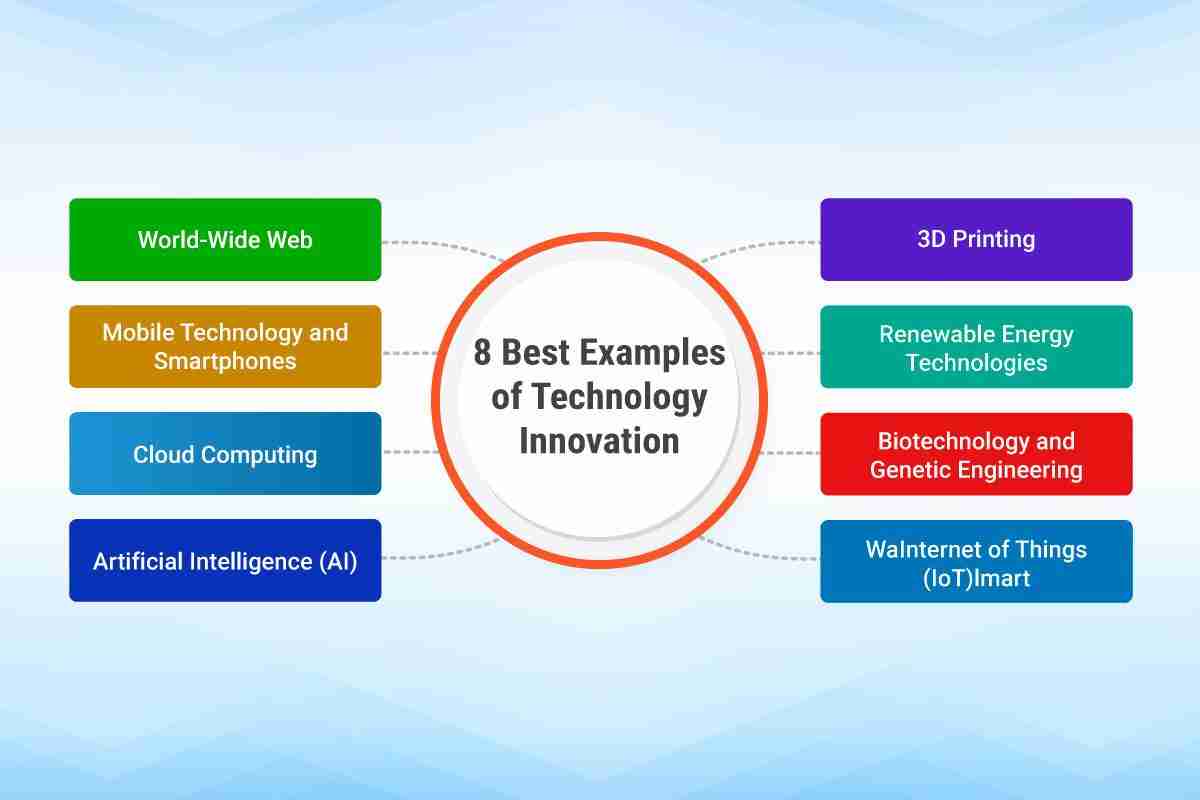
Innovative Technologies Shaping Fully Automatic Rice Mills
The landscape of rice milling is undergoing a transformation propelled by cutting-edge technologies that enhance efficiency, sustainability, and quality. Fully automatic rice mills are now equipped with advanced features such as AI-driven sorting systems that utilize machine learning algorithms to distinguish between high-quality grains and impurities. This not only ensures a uniform product but also reduces manual labor and human error. Additionally, IoT (Internet of Things) integration allows for real-time monitoring and management of the milling process, enabling mill operators to optimize performance and swiftly address potential issues before they escalate.
Moreover, the adoption of solar energy systems is contributing to a more eco-friendly milling operation. By harnessing renewable energy, mills can significantly decrease their carbon footprint while also cutting operational costs. The implementation of automated cleaning systems ensures that the machinery remains clutter-free and operational at peak efficiency, reducing downtime. As the industry continues to evolve, innovations such as robotic arms for packaging and data analytics tools for inventory management will further streamline processes and enhance productivity, paving the way for a new era of rice milling excellence.

Sustainability and Efficiency in Automated Harvesting Practices
The integration of advanced automated harvesting practices not only enhances productivity but also promotes environmental stewardship within the agricultural sector. By utilizing precision technology and data analytics, farmers can minimize waste, optimize resource management, and ensure sustainable practices. Key features of these innovations include:
- Precision Agriculture: Uses GPS and IoT sensors to monitor soil health and crop conditions, allowing for tailored interventions.
- Resource Efficiency: Automated systems can significantly reduce the use of water, fertilizers, and pesticides by applying them only where necessary.
- Reduced Carbon Footprint: Electric and hybrid machinery is increasingly used, contributing to lower greenhouse gas emissions.
Moreover, as rice mills evolve into fully automated facilities, they embody a model of efficiency that aligns with global sustainability goals. These state-of-the-art mills feature integrated systems that streamline the entire processing workflow while also prioritizing energy conservation. Consider the following table which illustrates the benefits of automated rice milling technology:
| Parameter | Traditional Milling | Automated Milling |
|---|---|---|
| Energy Consumption | High | Low |
| Waste Generation | Significant | Minimal |
| Labor Requirement | High | Reduced |
| Processing Time | Long | Short |
By reimagining these processes, fully automatic rice mills not only enhance productivity but also contribute to a more sustainable agricultural future, securing resources for the generations to come.

Optimizing Supply Chains through Advanced Automation Solutions
The integration of advanced automation solutions revolutionizes the way rice milling operates, leading to enhanced efficiency and productivity. By employing smart technologies, mills can achieve streamlined processes that minimize human error and reduce operational delays. This transformation manifests in several key areas:
- Real-time Monitoring: Smart sensors can monitor the milling process continuously, allowing for instant adjustments that ensure optimal grain quality.
- Predictive Maintenance: Automation systems leverage machine learning to predict equipment failures before they happen, reducing downtime and maintenance costs.
- Data Analytics: Comprehensive data collection enables mills to analyze production trends and make informed decisions to optimize supply chain operations.
Moreover, the implementation of a fully automatic system not only enhances performance but also fosters sustainability. With precise control over each stage of the milling process, mills can reduce waste and energy consumption significantly. The benefits extend to supply chain logistics, wherein automated inventory and order management streamline the distribution of rice products. The following table highlights the impact of automation on key operational metrics:
| Operational Metric | Before Automation | After Automation |
|---|---|---|
| Process Efficiency | 70% | 95% |
| Energy Consumption | 120 kWh/ton | 80 kWh/ton |
| Waste Generation | 15% | 5% |
These enhancements illustrate not only a tangible shift in performance metrics but also underline the broader impact that automation brings to the agricultural sector, setting the stage for a future where precision and efficiency govern production environments.
Future Trends in Rice Milling: Adapting to Market Demands and Consumer Preferences
The rice milling industry is on the brink of a significant transformation driven by evolving market demands and shifting consumer preferences. As health consciousness rises among consumers, there is a growing preference for rice varieties that retain their nutritional benefits. Adapting to this trend, fully automatic rice mills are incorporating advanced processing techniques designed to enhance the retention of vitamins and minerals. These modern mills will increasingly focus on the production of whole grain and organic rice, responding to the demand for healthier food options. Technological advancements such as AI and machine learning will also play a crucial role in optimizing milling processes, reducing waste, and ensuring consistency in quality.
Additionally, the integration of sustainability practices in rice milling is becoming crucial for meeting the eco-conscious demands of consumers. Mills are now exploring innovative methods to minimize water usage, reduce energy consumption, and limit carbon footprints. With the rise of smart farming, fully automatic rice mills will incorporate IoT technology, allowing for better supply chain management and transparency. As a result, consumers may have access to information about the origin of their rice and the milling process, reinforcing their connection to sustainability. Furthermore, investments in research and development will pave the way for new machinery that is not only efficient but also environmentally friendly.
In Summary
As we stand on the precipice of agricultural innovation, the future of fully automatic rice mills heralds a new era for the global rice industry. This transformation is not merely technical; it symbolizes a profound shift in how we approach food production, sustainability, and economic empowerment. Through cutting-edge technology and a commitment to efficiency, these automated systems promise to streamline processes, reduce waste, and ultimately elevate the livelihoods of farmers around the world.
Incorporating artificial intelligence and advanced robotics, these mills will not only enhance productivity but also promote a more sustainable approach to farming practices. As we embrace this pivotal change, it’s essential to continue fostering knowledge-sharing, training, and resources for farmers, ensuring that no one is left behind in this journey toward modernization.
The evolution of rice milling reflects broader trends in agriculture—an industry striving to adapt to ever-changing demands and challenges. As we look ahead, we must remain vigilant stewards of our environment while leveraging technology to safeguard food security. The future of fully automatic rice mills is bright, but it is a future that requires collective effort, thoughtful planning, and, most importantly, a commitment to creating a more resilient agricultural landscape.
So, as we reflect on this unfolding narrative, let us embrace the possibilities with an open mind, ready to cultivate a world where efficiency and sustainability go hand in hand. The harvest of tomorrow is not just a promise; it is an opportunity for all to reap the benefits of innovation, ensuring that everyone has access to the staple foods that nourish communities and cultures worldwide.



