
In the heart of the agrarian landscape, where golden fields sway gently in the breeze, rice stands as a staple of sustenance and culture for billions around the globe. Yet, the journey from paddy to plate is often a complex tapestry woven with traditional practices and modern innovation. At the forefront of this transformation are rice milling units—crucial players in the agricultural ecosystem that not only elevate the quality of rice but also enhance efficiency throughout the supply chain. As we delve into the world of rice milling, we will explore how these units unlock value, streamline processes, and contribute to food security while addressing environmental and economic challenges. Join us on this insightful journey to discover how technology, sustainability, and efficiency intersect in shaping the future of rice production.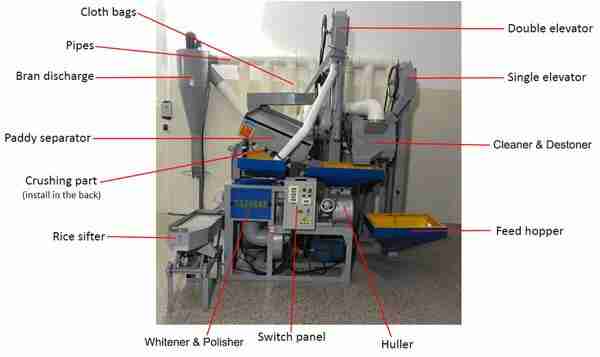
Understanding the Significance of Rice Milling Units in Modern Agriculture
Rice milling units serve as pivotal assets within the agricultural ecosystem, transforming harvested paddy into market-ready rice. This process is not merely about convenience; it plays a crucial role in enhancing the quality and shelf-life of rice. By employing modern milling techniques, these units significantly reduce post-harvest losses, which can otherwise reach alarming levels. The key advantages of integrating rice milling units into agricultural practices include:
- Enhanced Quality: State-of-the-art milling equipment ensures minimal breakage and optimal polishing, leading to superior rice grains.
- Improved Shelf Life: Properly milled rice is less prone to spoilage, ensuring greater value retention for producers and suppliers.
- Operational Efficiency: Automated processes reduce labor requirements and time, speeding up production cycles.
Furthermore, rice milling units contribute significantly to local economies by creating jobs and supporting smallholder farmers. The establishment of micro-level milling facilities fosters community self-sufficiency and drives growth. To illustrate this impact, consider the following comparison of income generated through traditional vs. modern milling methods:
| Method | Average Income per Ton (USD) | Employment Generated |
|---|---|---|
| Traditional Milling | $150 | 1-2 jobs |
| Modern Milling | $250 | 4-6 jobs |
This comparison showcases not just a boost in income but also the potential for increased labor opportunities, making rice milling units an essential pillar of sustainable agricultural development in contemporary economies.
Enhancing Production through Technological Innovations in Rice Milling
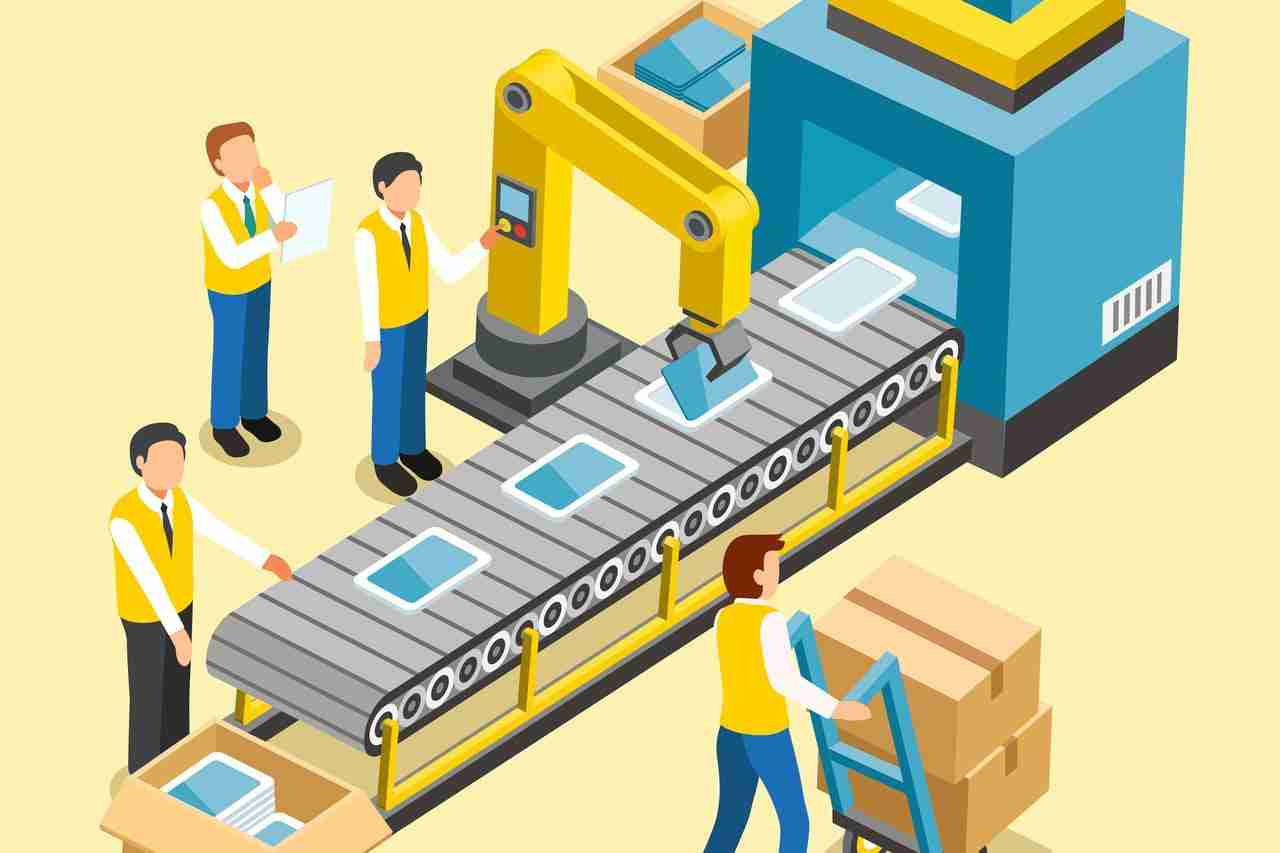
The integration of cutting-edge technology into rice milling units has redefined operational capacities, leading to significant improvements in productivity and quality. By utilizing automated machinery and advanced processing techniques, rice milling stakeholders can optimize every stage of production. Key innovations include:
- Smart Milling Machines: These machines leverage IoT technology to monitor and adjust milling parameters in real-time, ensuring uniformity in grain size and reduced breakage.
- Automated Sorting Systems: Utilizing AI and machine learning, these systems can swiftly classify rice based on variety, size, and quality, minimizing manual labor.
- Energy-Efficient Equipment: Modern rice mills incorporate energy-saving technologies that not only reduce operational costs but also lower the environmental footprint of production.
Moreover, implementing data analytics in rice milling units allows operators to make informed decisions by analyzing production patterns, maintenance schedules, and market demands. With systematic monitoring, rice mills can manage their resources more effectively, leading to:
| Benefit | Description |
|---|---|
| Higher Yield | Optimized processes lead to greater extraction rates, enhancing overall output. |
| Consistent Quality | Advanced machinery ensures high-quality end products with fewer defects. |
| Cost Reduction | Lower operational costs through efficient resource management and reduced waste. |
By staying ahead of technological advancements, rice milling units can not only keep pace with industry demands but also position themselves as leaders in the market. Embracing these innovations fosters resilience and sustainability, setting the foundation for future growth in rice production.

Optimizing Quality and Sustainability in Rice Processing Practices
In today’s competitive agricultural landscape, the integration of innovative technologies in rice milling units is pivotal for elevating both product quality and environmental sustainability. Advanced milling techniques and machinery not only enhance yield and reduce wastage but also ensure that the nutritional integrity of rice is preserved. Key components of optimization include:
- Precision Milling: Employing state-of-the-art equipment that minimizes damage to grains can significantly improve quality.
- Energy Efficiency: Utilizing machines designed for lower power consumption contributes to reducing the carbon footprint.
- Water Utilization: Implementing water-saving practices during the milling process promotes sustainability.
Moreover, customizing processing methods to suit local grain varieties can lead to superior results, benefiting both producers and consumers. The following table illustrates some sustainable practices and their impacts on rice processing:
| Sustainable Practice | Impact on Quality | Environmental Benefit |
|---|---|---|
| Solar Drying | Reduces moisture content and enhances flavor | Lower energy consumption |
| Efficient Milling Techniques | Improves grain integrity | Minimizes waste and by-products |
| Recycling Husks | Contributes to nutritional value | Reduces landfill waste |
Strategic Recommendations for Smallholder Farmers and Milling Enterprises
To enhance productivity and ensure sustainable growth, smallholder farmers and milling enterprises should consider adopting a multi-faceted approach to their operations. Investing in modern milling technology can significantly reduce post-harvest losses and improve the quality of milled rice. Collaborations between farmers and local milling units can facilitate knowledge sharing, enabling farmers to better understand the technological aspects of rice processing. This partnership could lead to the establishment of training programs focusing on best practices in rice cultivation, pest management, and post-harvest handling, ensuring that both parties benefit from increased efficiency.
Additionally, smallholder farmers are encouraged to engage with local cooperatives to strengthen their bargaining power and access to resources. By forming collectives, farmers can share equipment and storage facilities, which minimizes individual costs and increases overall output quality. Investing in value-added products can also provide new revenue streams; for instance, producing rice flour or rice bran oil offers opportunities for diversification. Implementing these strategies comprehensively will not only bolster the economic viability of smallholder farming but will also enhance the competitive edge of milling enterprises in the market.
In Conclusion
As we draw the curtain on our exploration of rice milling units and their pivotal role in enhancing efficiency within the agricultural sector, it becomes clear that these mechanisms are more than just machines—they are the linchpins of food security and economic stability for many communities. The intricate dance of technology and tradition found in these units not only streamlines production but also fosters sustainability and growth.
In a world where the demand for quality food continues to rise, the importance of optimizing processes cannot be overstated. Rice milling units symbolize the potential for innovation to meet age-old needs while adapting to the challenges of modernity. Their contribution stretches beyond mere grains; it encompasses the livelihoods of countless farmers, the health of economies, and the nourishment of populations around the globe.
As we look to the future, embracing advancements in rice milling technology and investing in efficient practices will undoubtedly yield dividends. The journey toward maximizing efficiency is ongoing, but with each step, we move closer to a more resilient and productive agricultural landscape. In this quest, rice milling units will remain steadfast allies, unlocking not just the full potential of rice, but also the promise of a sustainable tomorrow.



