
Behind the Scenes: Exploring the Paddy Processing Factory
Nestled within the lush green landscapes of rural agriculture, the paddy processing factory stands as a silent testament to the journey of rice from field to table. While many of us enjoy the fragrant aroma of freshly cooked rice, few consider the intricate processes and dedicated hands that transform humble grains into the staple food that nourishes billions. In this exploration, we take you behind the scenes of a paddy processing factory, peeling back the curtain on the meticulous operations and innovative technologies that breathe life into this essential industry. From the clattering machinery that separates husk from grain to the skilled workers who manage every step with precision, join us as we delve into the rhythm of labor and the passion that drives one of the world’s most vital supply chains. Join us on a journey to uncover the unseen world of paddy processing, where tradition meets modernity in an age-old dance of agriculture.
Unveiling the Journey: From Harvest to Hull
As the sun rises over expansive rice fields, the journey from grain to plate begins. Farmers carefully harvest the golden paddy, a tactile process that respects the ancient traditions of their trade. Once harvested, the paddy is transported to processing facilities, where a symphony of machines plays an orchestrated role in transforming the raw product. The first steps include thorough cleaning to remove impurities and dirt, followed by drying to ensure the moisture content is just right. This meticulous preparation is critical, as water content can affect the overall quality of the final product.
Entering the paddy processing factory is like stepping into a world where nature meets innovation. Here’s how the journey unfolds:
- Hulling: The paddy’s outer shell is removed, revealing the rice kernel within.
- Separating: The brown rice is sorted from the husks, ready for the next stage.
- Milling: The brown rice undergoes further processing, resulting in white rice that is polished to perfection.
| Process Stage | Purpose |
|---|---|
| Harvesting | Collection of mature rice plants from the fields. |
| Cleaning | Removal of dirt and foreign materials. |
| Hulling | Extraction of rice grains from the husk. |
| Milling | Polishing brown rice to produce white rice. |
The Machinery of Transformation: An Inside Look at Processing Equipment
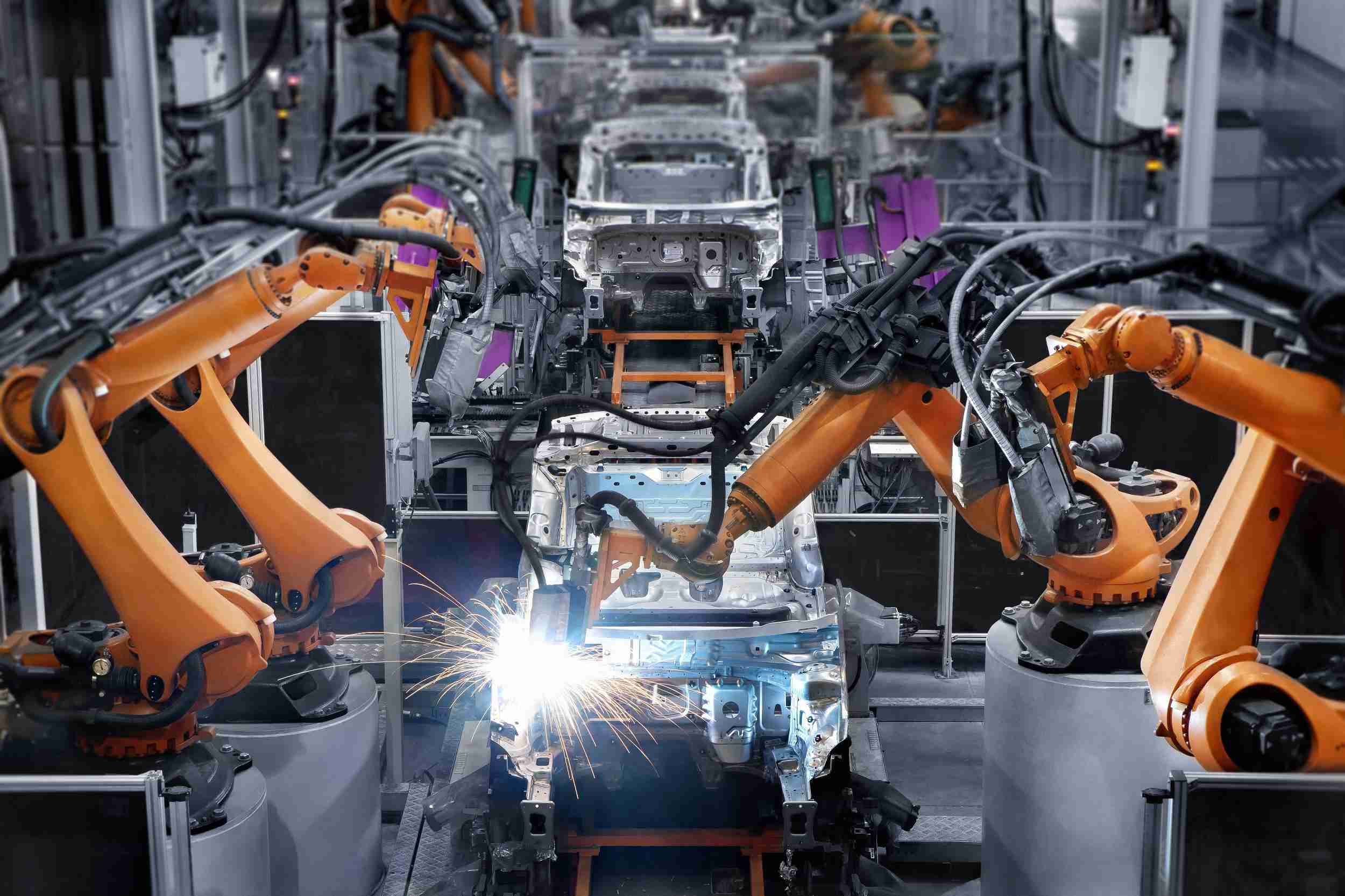
The heart of any paddy processing factory lies in its intricate machinery, each element playing a pivotal role in transforming raw grains into refined products. From the initial stages of cleaning to the final polishing, state-of-the-art equipment operates seamlessly to ensure quality and efficiency. At the core of this process are essential tools including:
- De-stoners: These machines efficiently remove stones and foreign materials, providing a cleaner base for further processing.
- Huskers: Designed to efficiently remove the husk from rice, huskers are vital for achieving the desired texture and quality.
- Milling units: These units grind and polish the rice, transforming the grains from brown to white.
- Separators: Utilizing advanced technology, these devices categorize and sort grains based on size and weight, ensuring uniformity in the final product.
This carefully orchestrated dance of machinery is complemented by automated systems that oversee the entire operation. Each piece of equipment is linked through a network of conveyor belts, allowing for a streamlined flow of production. Some of the most notable innovations in this realm include:
| Machine Type | Function |
|---|---|
| Pre-cleaning Unit | Removes impurities before the main processing. |
| Rice Whitener | Achieves the desired whiteness and reduces bran content. |
| Polisher | Enhances the shine and visual appeal of the rice. |
Such sophisticated machinery not only optimizes production but also conserves energy and resources, making modern paddy processing factories more sustainable than ever before. This harmony of technology and functionality illustrates the critical role that processing equipment plays in the culinary landscape, transforming simple grains into staple foods enjoyed worldwide.
Quality Control: Ensuring Excellence in Every Grain
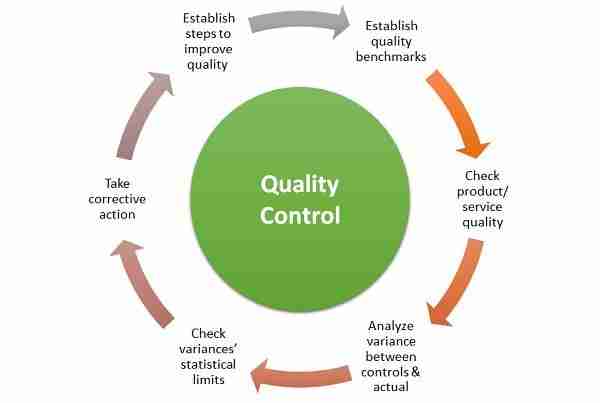
In the heart of the paddy processing factory, a meticulous approach to quality control is paramount. Each batch of harvested rice undergoes a series of rigorous inspections to ensure that only the finest grains make the cut. Specialists use advanced technology and traditional methods to identify and eliminate defects. Key elements of this process include:
- Visual Inspection: Trained eye for detecting imperfections.
- Moisture Content Analysis: Prevents spoilage and maintains quality.
- Grain Size Evaluation: Ensures uniformity in the finished product.
- Free of Contaminants: Assures that the rice is safe for consumption.
To maintain a benchmark of excellence, the factory employs a multi-tier quality assurance system that tracks every stage from harvesting to packaging. Regular audits and updates to the quality protocols guarantee adherence to industry standards. Below is a summary of the quality control stages:
| Quality Control Stage | Description |
|---|---|
| Pre-Processing | Sorting and removing foreign matter. |
| Processing | Hulling and milling checks. |
| Post-Processing | Final checks before packaging. |
This stringent focus on quality ensures that every grain of rice not only meets but exceeds consumer expectations, cementing the factory’s reputation for excellence in the market.
Sustainable Practices: Innovations for a Greener Paddy Processing Industry
As the demand for environmentally friendly practices grows, the paddy processing industry has begun to embrace innovation to enhance sustainability. Factories are increasingly adopting energy-efficient machinery that reduces carbon footprints, coupled with solar panels that harness renewable energy. These advancements not only contribute to lower operational costs but also minimize reliance on fossil fuels. Additionally, the implementation of water recycling systems allows factories to repurpose water used in processing, significantly reducing waste and conserving one of our most vital resources.
Moreover, the adoption of biodegradable packaging is another significant step towards a greener future for the paddy processing industry. This shift not only reduces plastic pollution but also resonates with environmentally conscious consumers. The integration of smart technology plays a vital role as well, enabling factories to monitor and reduce waste throughout the production cycle. Here’s a quick comparison of traditional practices versus sustainable innovations:
| Traditional Practices | Sustainable Innovations |
|---|---|
| High energy consumption | Energy-efficient machines |
| Excess water usage | Water recycling systems |
| Plastic packaging | Biodegradable options |
| Lack of monitoring systems | Smart technology integration |
Closing Remarks
As we conclude our journey behind the scenes of the Paddy Processing Factory, we come to appreciate the intricate dance of machinery and human skill that breathes life into grains. What started as a humble seed, nurtured by the sun and soil, undergoes a remarkable transformation within these walls, evolving into the staple that sustains millions. Each step in the processing line is a testament to dedication, precision, and innovation, illuminating the often-overlooked efforts that accompany our daily meals.
This exploration has revealed not just the mechanics of paddy processing but also the stories of the individuals who work tirelessly to ensure quality and sustainability. In a world where food systems are increasingly scrutinized, understanding these processes fosters a deeper appreciation for the food we consume and the people behind it.
As you ponder the journey of each grain from the farm to your table, consider the complexities and care that lie beneath the surface. Hopefully, this glimpse into the world of paddy processing inspires a greater awareness and respect for the food production chain. The next time you savor a bowl of rice, take a moment to reflect on the journey it undertook—one that is as enriching as the meal itself.



