
Transforming Grains: The Essential Guide to Rice Mill Plants
In the heart of agriculture, where soil meets seed, lies a transformative process that holds the key to feeding nations: the milling of rice. Rice, a staple for over half of the global population, journeys from field to table through intricate machinery and innovative technology that shapes its quality and availability. But what lies behind this integral process? In “Transforming Grains: The Essential Guide to Rice Mill Plants,” we delve into the world of rice milling, exploring every facet from cultivation to processing. This guide offers a comprehensive overview of rice mill plants, illuminating their crucial role in the agricultural supply chain and the economy as a whole. Whether you’re an industry professional, a curious consumer, or a student of food production, join us as we unpack the mechanisms, challenges, and innovations that define the operations of rice mills—where grains are not just transformed, but elevated into essential sustenance for the world.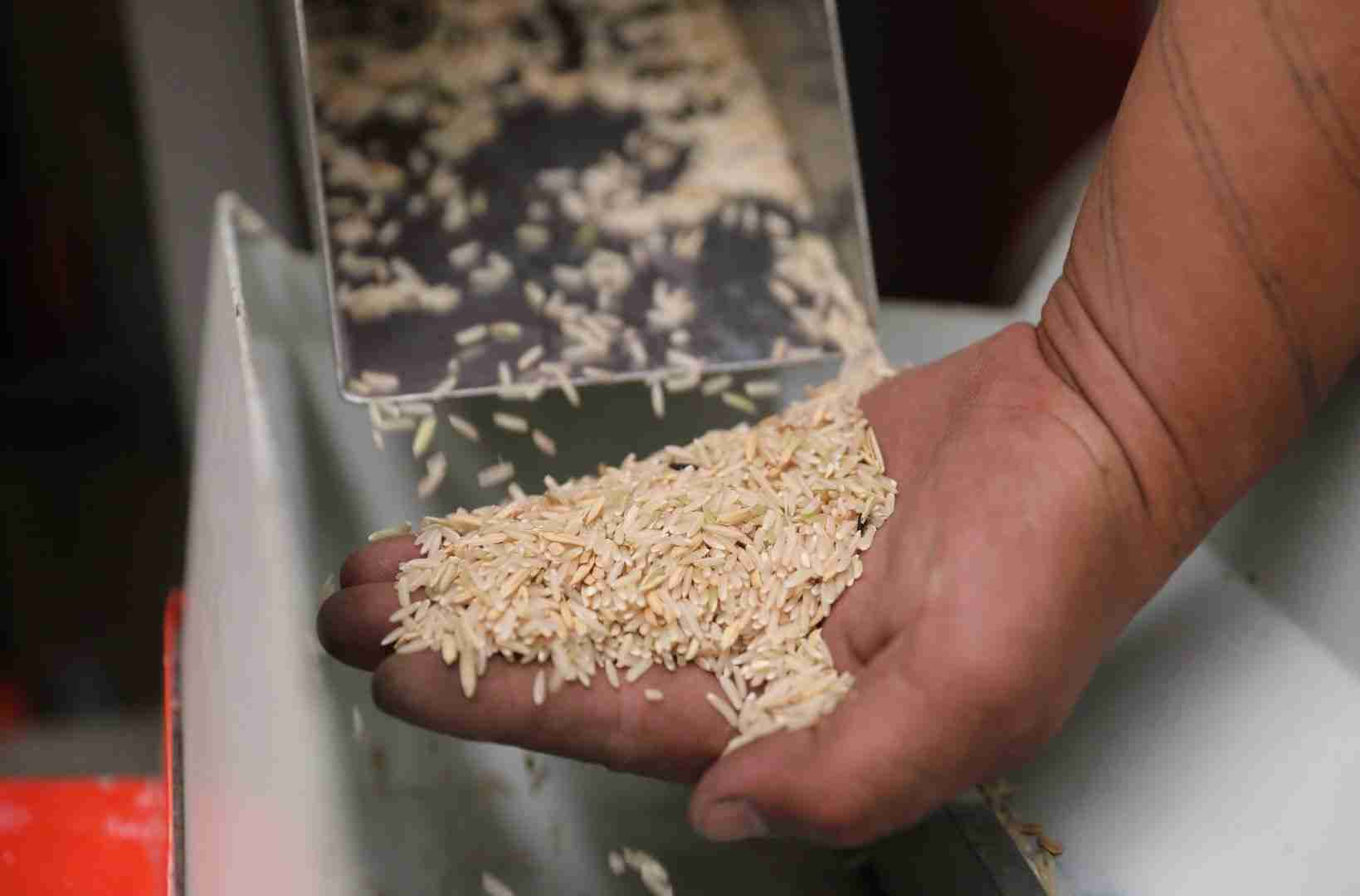
Exploring the Fundamentals of Rice Processing Technology
Rice processing technology is a multifaceted field that combines science, engineering, and agricultural practices to transform paddy into polished rice. This intricate process starts with the collection and pre-cleaning of paddy, followed by drying to achieve the optimal moisture content for milling. Key components of rice processing include:
- Cleaning: Removal of impurities and foreign materials.
- Hulling: Separation of the husk from the grain.
- Milling: Polishing the rice to achieve the desired finish.
- Sorting and Grading: Classification based on size, weight, and quality.
Understanding the technology behind these processes is vital for businesses aiming to optimize productivity while maintaining quality. Various machines and technologies have been developed to enhance efficiency and sustainability. The following table highlights some of the essential machinery used in rice processing:
| Machine Type | Function | Impact on Process |
|---|---|---|
| Pre-cleaner | Removes dirt and stones | Reduces milling damage |
| Hullers | Separates husk from rice | Improves yield |
| Whitener | Polishes rice grains | Enhances appearance |
| Color Sorter | Sorts by color | Eliminates defects |
By mastering the fundamentals of rice processing technology, processors can ensure high-quality output while minimizing waste and environmental impact. The integration of modern machinery with traditional techniques provides a balanced approach to meet the growing demand for rice across the globe.

Optimizing Milling Efficiency for Maximum Yield
When it comes to achieving the highest milling efficiency, several factors play a pivotal role in the overall performance of rice mill plants. First and foremost, technology integration is essential. Investing in advanced milling equipment that utilizes aerodynamic principles can drastically reduce grain damage while enhancing separation processes. Furthermore, regular maintenance routines on machinery not only prolong the lifespan of equipment but also ensure optimal functioning, leading to better yield. A meticulous approach in selecting the right screen sizes and roller settings complements the milling process, allowing for an effective extraction of rice husk, bran, and endosperm.
In addition to technological upgrades, adopting an environment that promotes team training is crucial. Staff should be well-versed in best practices for operating machinery and monitoring output quality. This can involve conducting scheduled workshops to refresh employees’ knowledge and address any emerging issues in the milling process. The implementation of a data-driven management system to track input-output ratios further amplifies performance. By consistently analyzing this data, mill operators can identify inefficiencies promptly and adjust their operations accordingly.
| Key Factor | Description |
|---|---|
| Technology Integration | Utilizing advanced milling machinery for efficient processing. |
| Maintenance | Regular servicing of equipment to ensure trouble-free operation. |
| Team Training | Continuous education for staff on equipment and processes. |
| Data Management | Monitoring input-output ratios for performance evaluation. |

Sustainable Practices in Rice Milling Operations
Implementing eco-friendly methods is essential for modern rice milling operations that aim to reduce their environmental footprint while maximizing efficiency. Innovative technologies are being adopted to conserve energy and minimize waste. For instance, wastewater recycling systems capture and treat wastewater, allowing it to be reused in various processes. Solar energy harnesses the sun’s power to fuel operations, significantly cutting down on fossil fuel reliance. Additionally, utilizing biomass energy from rice husks not only provides a renewable energy source but also helps minimize the amount of waste generated during milling.
The importance of sustainable sourcing and management cannot be overstated in rice milling practices. By forming partnerships with local farmers, mills can ensure that the rice is grown using sustainable agricultural techniques, improving soil health and reducing chemical inputs. Furthermore, implementing precision milling technologies maximizes yield while reducing unnecessary damage to the grains, enabling more rice to be processed from the same amount of raw material. Establishing closed-loop systems, where by-products are effectively utilized, further contributes to a more sustainable approach, enhancing both economic and environmental benefits.
Future Innovations and Trends in Rice Mill Design
As the demand for rice continues to grow globally, innovations in rice mill design are steering the industry toward a more efficient and sustainable future. One significant trend is the integration of smart technology into mill operations. IoT-enabled machinery allows real-time monitoring of grain quality and operational performance, facilitating preventive maintenance and reducing downtime. Additionally, automation in sorting, processing, and packaging is not just enhancing productivity but is also optimizing energy consumption and labor costs. Mills are increasingly adopting systems that utilize artificial intelligence for quality control, helping to maintain consistent product standards while minimizing waste.
Another notable innovation is the emphasis on sustainable practices within rice mill design. Advanced filtration and treatment systems are being developed to recycle water used in processing, aligning with global conservation efforts. Moreover, many mills are exploring the feasibility of renewable energy sources, such as solar and wind, to power their operations, reducing their carbon footprint. The design of milling plants is also evolving to include modular layouts, allowing for flexibility and scalability in production. This approach not only enhances efficiency but also allows for rapid adjustments to meet changing market demands without significant capital investment.
To Conclude
As we conclude our exploration into the world of rice mill plants, it’s clear that the journey of transforming grains goes far beyond the mere act of milling. It embodies a delicate dance between tradition and technology, sustainability and efficiency, all aimed at nourishing communities worldwide. The innovations and practices highlighted in this guide serve not only to enhance productivity but also to ensure that the grains of today meet the demands of tomorrow.
As we step into a future where the need for sustainable food production continues to grow, the significance of rice mill plants becomes increasingly apparent. They stand at the nexus of agricultural potential and culinary satisfaction, making it essential for stakeholders to embrace advancements in processing methods, machinery, and sustainability measures. Equipped with the insights and knowledge shared in this guide, future rice millers can contribute to a resilient agricultural framework that respects both our planet and its people.
In this intricate web of grain transformation, one thing is certain: by investing in the right equipment and embracing innovation, we can unlock new possibilities that extend far beyond the mill—cultivating not just rice, but a future rich with opportunity. Thank you for joining us on this journey, and may your own ventures in the rice milling industry be both fruitful and fulfilling.



