
In the heart of the world’s agricultural landscape, rice stands as a staple grain that nourishes billions and shapes economies. With its legacy steeped in tradition, the humble rice grain has journeyed from hand-threshing techniques to the bustling processing hubs equipped with cutting-edge technology. As global demand for efficient and high-quality rice production escalates, industrial rice milling machines have emerged, revolutionizing the ways in which we harvest and process this vital crop. This article explores the transformative impact of these sophisticated machines, shedding light on their role in enhancing productivity, preserving quality, and reshaping the future of rice milling across the globe. Join us as we delve into the mechanisms behind this industrial evolution and uncover how it is redefining the relationship between agriculture and technology.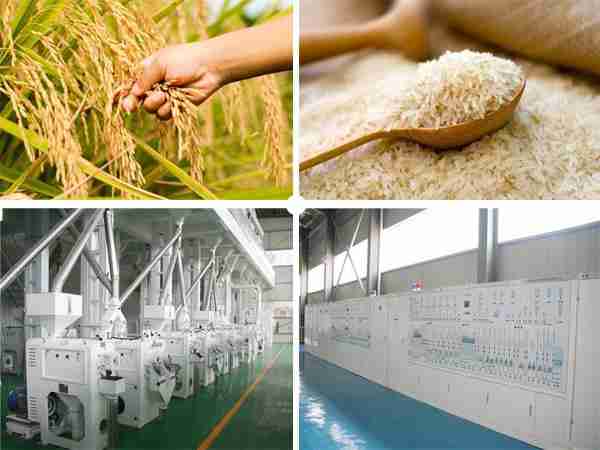
The Evolution of Rice Milling Technology and Its Impact on Agriculture
The advancement of rice milling technology has revolutionized agricultural practices, enabling farmers to increase production efficiency while enhancing the quality of the grain. Traditional methods, which involved manual pounding and winnowing, required significant labor and often resulted in substantial grain loss. The introduction of industrial rice milling machines, featuring innovations such as multi-stage milling processes and automated systems, has not only streamlined operations but also improved the overall yield and marketability of rice. By utilizing advanced machinery, farmers can process larger volumes of rice in shorter timeframes, reducing labor costs and enabling them to meet the growing global demand for this staple food.
Moreover, the impact of these technological advancements extends beyond productivity. Modern rice milling machines are equipped with features such as rice whiteness meters and color sorters, which help ensure that only the highest quality grains reach consumers. This level of precision in milling caters to differing market preferences, ensuring higher prices for premium products. Additionally, the environmental sustainability of these machines is noteworthy; many designs incorporate energy-efficient components and reduce waste through by-products like rice husk, which can be used as biofuel or organic fertilizers. As these technologies continue to evolve, they hold the promise of further transforming the agricultural landscape, optimizing both production methods and profit margins for farmers worldwide.

Enhancing Efficiency: The Mechanisms Behind Industrial Rice Milling Machines
Industrial rice milling machines employ a series of sophisticated mechanisms that streamline the processing of paddy into polished rice, significantly enhancing productivity. At the core of these machines are multiple stages that include dehusking, milling, and polishing, each designed to efficiently remove the outer layers of the grain while preserving its nutritional integrity. The use of high-efficiency rubber rolls for dehusking minimizes the breakage of rice, ensuring that a larger percentage of whole grains remains intact. Additionally, air suction systems are utilized to separate the husk from the core, which not only aids in cleanliness but also reduces the need for additional cleaning processes later on.
Another critical aspect of these machines is the incorporation of smart technology that allows for precise control over each stage of milling, adapting to variations in grain quality and moisture content. This precision is paramount as it impacts overall yield and quality. Furthermore, features such as automatic feeding systems and digital monitoring systems contribute to a seamless operation that minimizes labor costs while maximizing output. Below is a table showcasing the key features of modern rice milling machines:
| Feature | Description |
|---|---|
| Efficiency | Processes large quantities of rice in shorter time frames. |
| Precision | Adjusts milling parameters based on grain type. |
| Automation | Reduces manual intervention, streamlining workflows. |
| Environmental Impact | Minimizes waste through effective husk removal systems. |
Sustainability in Rice Processing: Balancing Productivity and Environmental Responsibility
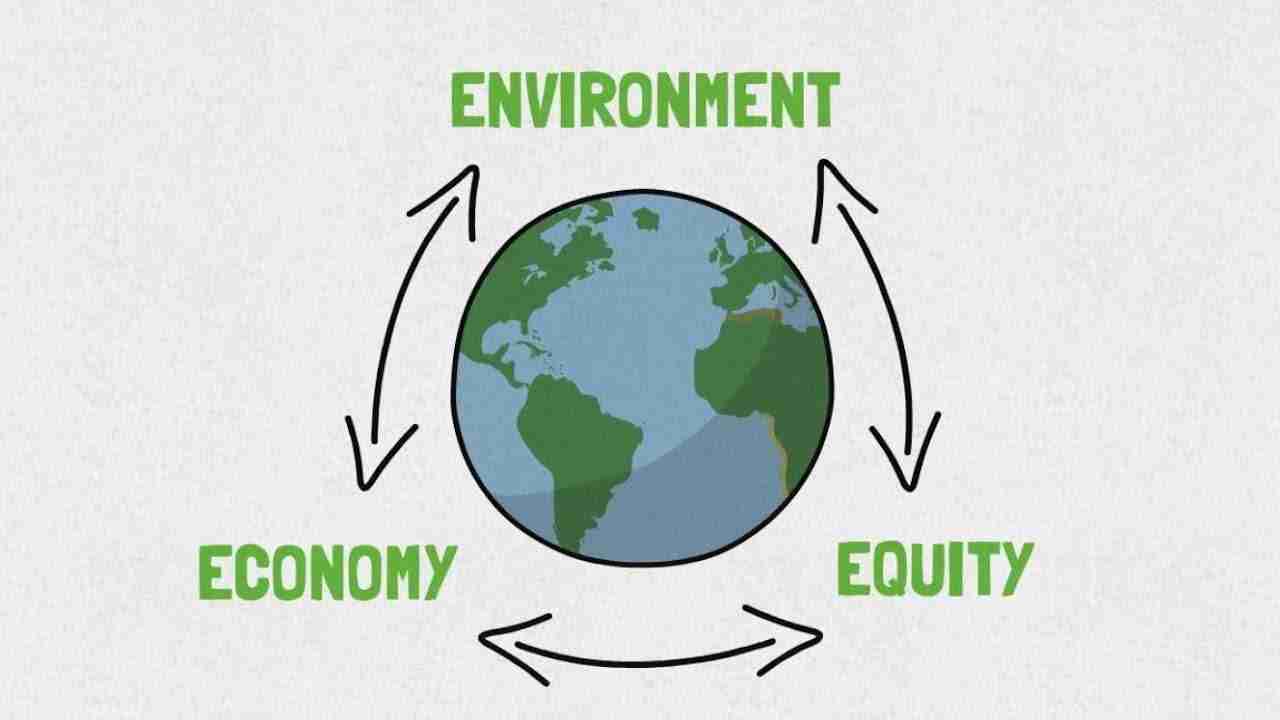
The advancement of industrial rice milling machines has revolutionized the rice processing landscape, promising not only efficiency but also a pathway towards sustainable practices. As stakeholders in the agricultural sector increasingly recognize the impact of their operations on the environment, the integration of eco-friendly technologies becomes imperative. By leveraging energy-efficient machinery, processors can significantly reduce their carbon footprint while maintaining high output levels. This shift towards renewable energy sources, such as solar and biomass, is driving the rice milling industry towards a more sustainable future, where productivity does not come at the expense of ecological integrity.
Implementing sustainable practices in rice processing involves several key components, including waste management, water conservation, and minimizing chemical use. Consider the following strategies that support both productivity and environmental responsibility:
- Biomass Utilization: Employing rice husks and straw as biofuel can reduce reliance on fossil fuels.
- Water Efficiency: Recycling and treating milling wastewater helps conserve this precious resource.
- Organic Certification: Adopting organic practices can enhance marketability while preserving soil health.
| Sustainability Initiative | Impact |
|---|---|
| Energy-efficient machinery | Reduces energy consumption |
| Water recycling systems | Conserves freshwater resources |
| Local sourcing of inputs | Minimizes transportation emissions |
Future Trends: Innovating for Resilience in the Rice Milling Industry
As the rice milling industry adapts to evolving environmental and economic challenges, key innovations are set to enhance operational resilience. Automation and AI technology are emerging as transformative forces, allowing millers to optimize processes, reduce waste, and improve product quality. By integrating real-time data analytics and machine learning, these systems not only streamline operations but also empower mills to respond flexibly to market demands.
Additionally, sustainability practices are gaining traction, driven by both consumer preferences and regulatory pressures. Mills are increasingly adopting clean energy solutions and water conservation techniques to minimize their ecological footprint. To illustrate this shift, the table below summarizes the benefits of these emerging trends:
| Innovative Practice | Benefits |
|---|---|
| Automation | Increased efficiency, reduced labor costs |
| AI Integration | Enhanced decision-making, improved quality control |
| Clean Energy | Lower energy costs, reduced carbon footprint |
| Water Conservation | Less resource dependency, regulatory compliance |
To Wrap It Up
As we conclude our exploration of the transformative impact of industrial rice milling machines, it’s clear that this burgeoning technology is more than just a mechanized process; it represents a significant shift in agricultural practices and food production. By increasing efficiency, reducing waste, and improving the quality of rice, these machines are not only helping farmers meet the demands of a growing population but also ensuring that we can enjoy a staple food source with greater consistency and reliability.
The rise of industrial rice milling machines has the potential to revolutionize the rice industry, offering new avenues for innovation, sustainability, and economic growth. As we look to the future, it’s essential to embrace these advancements while also considering the sustainability of our practices and the welfare of the communities dependent on rice cultivation.
In a world that continues to evolve, the future of rice milling holds the promise of enhanced productivity and improved livelihoods for farmers around the globe. As we anticipate the next steps in this journey, one thing remains clear: technology and tradition can harmoniously coexist, paving the way for a more resilient agricultural landscape. The transformation of harvests is just beginning, and its ripple effects may very well redefine the way we approach food security in the decades to come.



