
In the heart of agriculture, grains have long held a pivotal role in sustaining cultures and communities across the globe. Among these humble staples, rice stands out—not just for its dietary significance, but for the intricate processes that shape its journey from paddy to plate. One such transformation is that of parboiled rice, a method that marries tradition with ingenuity. This article delves into the fascinating process behind parboiled rice plants, exploring the technical steps involved in this unique preparation technique, the science that drives it, and its impact on nutrition and flavor. Join us as we uncover the meticulous craft of transforming grains, revealing how each stage not only enhances the rice but also connects us to the rich tapestry of agricultural practices and culinary traditions that define our relationship with food.
Understanding the Parboiling Process and Its Advantages
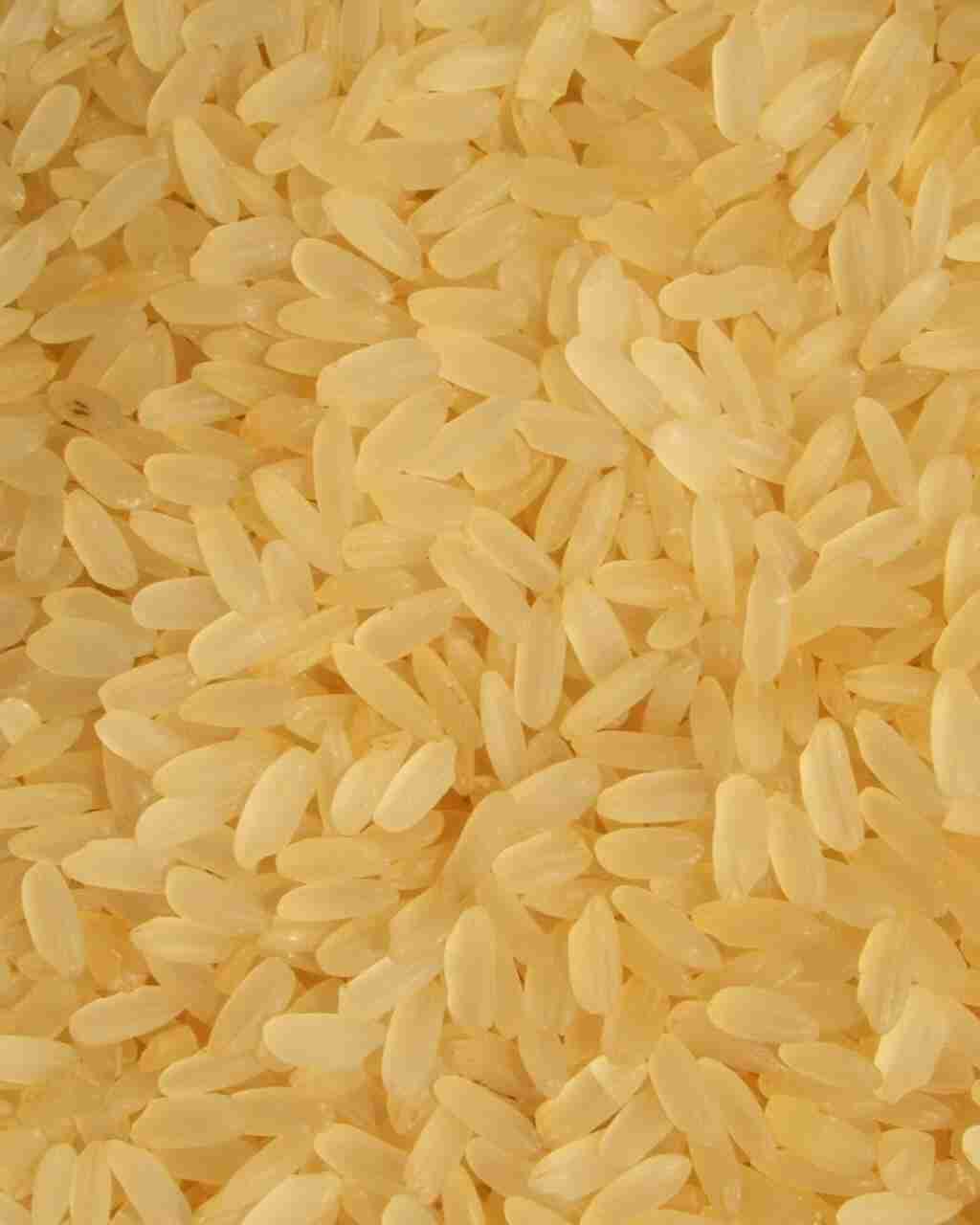
The parboiling process is a unique method that involves partially boiling rice while still in its husk. This technique not only helps in reducing cooking time but also enhances the nutritional value of the grains. The process typically involves three stages: soaking, steaming, and drying. In the soaking phase, the grains absorb water, which prepares them for the next step. During steaming, the heat penetrates the grains, allowing nutrients to migrate from the bran to the endosperm. drying locks in these benefits, making the grains ready for milling. The result is a product that retains a higher degree of vitamins and minerals compared to its unprocessed counterparts, with a distinctive flavor and texture.
The advantages of parboiled rice go beyond nutrition; they also cater to culinary preferences and practical considerations. Some of the key benefits include:
- Improved shelf life: Parboiling reduces the moisture content, preventing spoilage and extending the grains’ usability.
- Enhanced texture: The parboiling process leads to firmer, less sticky rice that holds its shape better when cooked.
- Increased food safety: The steaming phase kills off harmful microorganisms, making parboiled rice a safer option for consumption.
- Faster cooking time: Since the grains are partially cooked, they require less time to prepare compared to regular white rice.
Key Equipment and Techniques for Efficient Parboiled Rice Production
For successful production of parboiled rice, having the right equipment is crucial to achieving efficiency and consistency. Among the essential machinery, steaming vessels are at the forefront, designed to ensure even heat distribution during the parboiling process. Coupled with drying systems, these vessels facilitate the removal of moisture post-steaming, locking in the nutrients and enhancing the rice’s flavor profile. Additional tools such as polishers and hulled rice separators play significant roles in refining the grains further, allowing producers to maintain high-quality standards while optimizing yield.
The techniques employed in parboiled rice production are equally vital, with soaking being one of the first steps that help soften the grain for steaming. Next, the process transitions to steaming at controlled temperatures which allows starch gelatinization, crucial for improving the rice’s cooking qualities. Operators should also embrace temperature monitoring and humidity control techniques, as they greatly affect the efficiency of drying, ultimately ensuring a uniform end product. Utilizing technology, from automated grain handling systems to real-time monitoring sensors, enhances precision and lowers the risk of human error during the production cycle.
| Equipment | Function |
|---|---|
| Steaming Vessel | Even heat distribution for parboiling |
| Drying System | Moisture removal post-steaming |
| Polisher | Refining and polishing the rice |
| Hulling Separator | Separation of husked rice from bran |

Nutritional Benefits of Parboiled Rice: A Closer Look
Parboiled rice is often overlooked, yet its nutritional profile is impressive and worthy of attention. This rice variety has undergone a unique steaming and drying process that not only enhances its cooking qualities but also boosts its nutritional value. During parboiling, some of the nutrients from the bran and germ layer are transferred into the endosperm of the grain, making it more nutritious than regular white rice. As a result, parboiled rice is a rich source of essential vitamins and minerals. Key nutrients include:
- Thiamine (Vitamin B1): Vital for energy metabolism and proper nerve function.
- Niacin (Vitamin B3): Supports digestive health and skin integrity.
- Folate (Vitamin B9): Crucial for DNA synthesis and during pregnancy.
- Iron: Important for oxygen transportation in the blood.
- Magnesium: Involved in over 300 enzymatic reactions in the body.
Furthermore, the process of parboiling contributes to the retention of fiber, leading to a lower glycemic index compared to other rice types. This makes parboiled rice a preferable option for individuals seeking to manage their blood sugar levels. The added fiber not only aids digestion but also promotes a feeling of fullness, which can assist with weight management. To illustrate these benefits more clearly, the table below summarizes the average nutritional content per 100 grams of parboiled rice:
| Nutrient | Amount |
|---|---|
| Calories | 112 |
| Carbohydrates | 25.8 g |
| Protein | 2.4 g |
| Fat | 0.3 g |
| Dietary Fiber | 1.5 g |
Best Practices for Quality Control in Parboiled Rice Processing
Maintaining high quality during the processing of parboiled rice is crucial for ensuring consumer satisfaction and enhancing marketability. One of the most effective methods involves regular monitoring of raw materials. This includes evaluating the moisture content, analyzing grain quality, and checking for any foreign materials before they enter the processing line. Implementing a supplier quality assurance program can also help guarantee that the rice meets specific standards before it reaches the processing facility. Additionally, conducting routine visual inspections throughout the production process allows processors to detect inconsistencies or abnormalities early, minimizing the risk of defective products reaching the market.
Another cornerstone of effective quality control is the application of advanced technological solutions. Integrating automated grading and sorting systems can significantly boost the precision of quality assessments by using imaging technology to detect imperfections. Furthermore, maintaining strict adherence to cleaning protocols is vital; equipment should be regularly cleaned to prevent cross-contamination of varieties or grades. A thorough checklist for each processing stage can assist operators in maintaining these protocols consistently. Below is an example of a basic quality control checklist used in parboiled rice processing:
| Processing Stage | Quality Control Measures |
|---|---|
| Receiving | Inspect moisture levels and foreign materials |
| Soaking | Monitor time and temperature |
| Steaming | Check steam pressure and duration |
| Drying | Verify moisture content after drying |
| Packaging | Inspect seals and labels for accuracy |
To Wrap It Up
the journey from paddy to parboiled rice is a fascinating blend of tradition and technology, showcasing the intricate processes that transform simple grains into a staple food enjoyed by millions worldwide. Each step—from soaking and steaming to drying and milling—serves a vital role in enhancing not only the nutritional value but also the culinary versatility of rice. As we continue to explore innovative practices in agriculture and food processing, understanding the methodologies behind parboiling can inspire new approaches to sustainable food production. With its rich history and modern advancements, parboiled rice is more than just a meal; it is a testament to the evolution of grain processing and the endless possibilities of transforming nature’s bounty into nourishing sustenance. So, the next time you savor a dish made with parboiled rice, take a moment to appreciate the intricate journey it undertook to reach your plate.



