
In the heart of agricultural landscapes, where the golden waves of rice paddies sway gently under the sun, a transformation is quietly taking place. Beyond the serene beauty of these lush fields lies a complex web of innovation and efficiency driven by paddy processing units. These essential facilities are not merely machines; they represent the culmination of centuries of agricultural wisdom and modern technological advancements. As the world increasingly recognizes the significance of sustainable practices in food production, the role of paddy processing units is becoming ever more crucial. This article delves into the intricacies of rice transformation—exploring how these units enhance productivity, reduce waste, and elevate the quality of one of the globe’s most vital food staples. Join us on a journey through the processes and innovations that are redefining the landscape of rice processing and securing a more sustainable future for millions.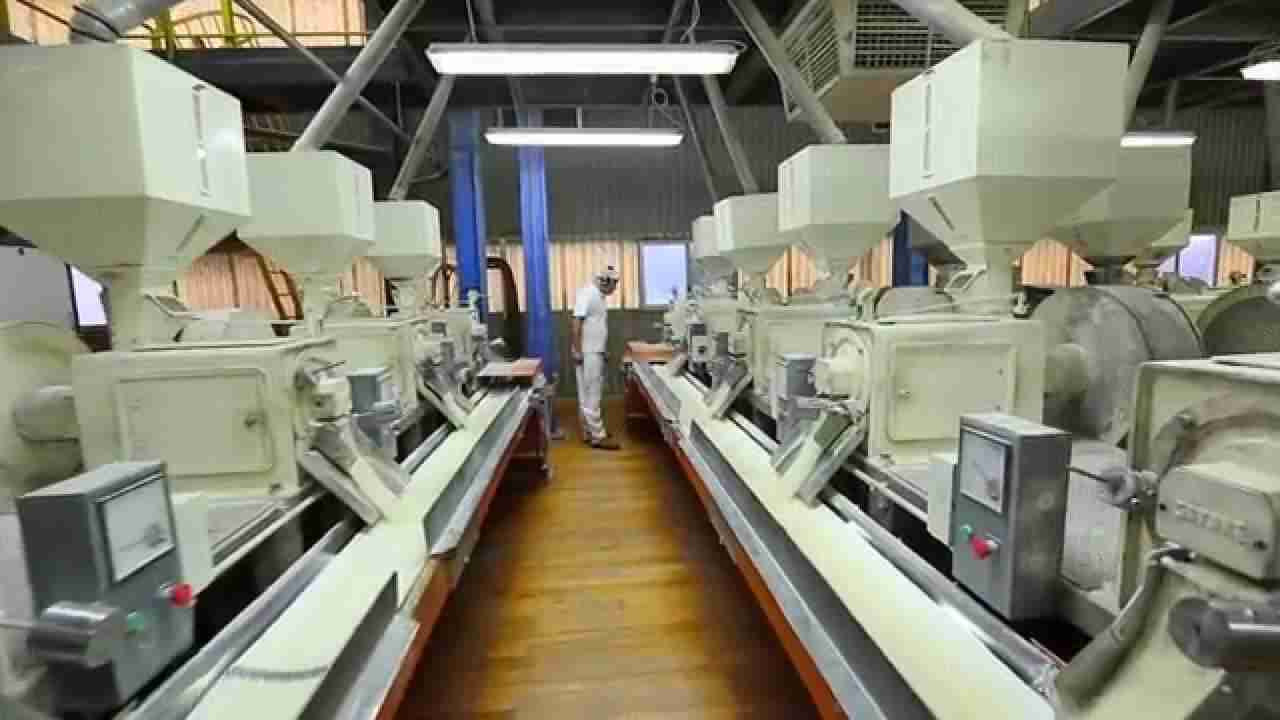
Understanding Paddy Processing Units and Their Importance in Rice Transformation
Paddy processing units play a crucial role in the journey from field to table, ensuring that the rice we consume is not only safe but also of high quality. These facilities are designed to carry out a variety of operations that transform freshly harvested paddy into polished, edible rice. The process typically includes several key steps:
- Cleaning: Removal of dirt, stones, and other impurities.
- Hulling: Separation of the husk from the grain.
- Milling: Grinding and polishing the rice to achieve desired grain quality.
Each step in the processing unit is tailored to optimize efficiency and maximize yield, illustrating the importance of proper machinery and skilled labor in this transformation process.
Moreover, these units contribute significantly to the economic landscape, promoting local employment and supporting smallholder farmers by providing them with reliable markets. The output of paddy processing units not only caters to domestic demand but also opens doors for export opportunities, enhancing food security and generating revenue. With an increasing global population and rising demand for rice, investing in modern processing technology is essential. Here’s a brief overview of the impact of paddy processing:
| Impact | Description |
|---|---|
| Quality Improvement | Enhances taste and appearance of rice. |
| Waste Reduction | Minimizes by-products and utilizes waste effectively. |
| Market Access | Provides farmers with reliable income and broader markets. |
This interdependence elevates the entire rice supply chain, underscoring the pivotal role of paddy processing units in agriculture and food production.

Innovative Techniques in Paddy Processing for Enhanced Rice Quality
Paddy processing units are harnessing innovative techniques to elevate the quality of rice, leading to greater consumer satisfaction and marketability. One such method is the implementation of modern milling technologies, which use precision machinery to optimize the milling process. These advancements minimize grain breakage and maximize yield, ensuring that the rice retains its nutritional value and appealing appearance. Furthermore, many units are now adopting eco-friendly practices, such as utilizing rice husk as a biomass energy source, which not only reduces waste but also enhances the sustainability of the processing operations.
Alongside these novel approaches, there is a growing trend towards enhancing quality control measures throughout the processing chain. Utilizing sensor technologies allows for real-time monitoring of rice quality, ensuring that any deviations from the standard can be addressed immediately. Moreover, advanced sorting techniques powered by artificial intelligence are able to detect and remove impurities more effectively than traditional methods. This integration of technology not only boosts productivity but also ensures that the end product is of the highest quality, meeting the expectations of discerning consumers worldwide.

Sustainability Practices in Rice Processing: Aligning with Environmental Goals
In the evolving landscape of rice processing, enhancing sustainability practices has become imperative for aligning operations with broader environmental goals. Paddy processing units are increasingly adopting eco-friendly technologies that not only reduce waste but also lower their carbon footprint. Some of these initiatives include:
- Energy-efficient machinery: Upgrading to high-efficiency milling machines and using renewable energy sources to power operations.
- Water management: Implementing closed-loop water systems to minimize consumption and pollution.
- Waste valorization: Converting by-products into bioenergy or organic fertilizers, thus contributing to a circular economy.
Through these practices, rice processing units can significantly mitigate their environmental impact and promote sustainable agricultural methods. The integration of sustainable strategies not only fosters compliance with environmental regulations but also enhances community relations and consumer trust. Consider the following table that illustrates key areas of focus for sustainable rice processing:
| Focus Area | Traditional Practices | Sustainable Alternatives |
|---|---|---|
| Energy Use | Fossil fuels for processing | Solar and biomass energy |
| Water Consumption | High usage of water for milling | Recycling and rainwater harvesting |
| Waste Management | Dumping by-products | Utilizing waste for biogas production |
By adopting these sustainable practices, rice processing units not only contribute to environmental preservation but also ensure economic viability for farmers and stakeholders in the long run.
Future Opportunities: Investing in Advanced Technology for Efficient Paddy Processing
As the agricultural landscape evolves, the demand for innovative paddy processing technologies is growing. Investing in advanced systems can revolutionize the way rice is processed, ensuring higher yield, better quality, and overall efficiency. By focusing on automation and smart technologies, stakeholders can enhance operational workflows, reduce waste, and achieve significant cost savings. Key areas to explore include:
- AI-Driven Sorting Systems: Precision sorting technologies that utilize artificial intelligence can drastically improve the quality of the final product, ensuring only the best grains make it to market.
- Energy-Efficient Machinery: Investing in state-of-the-art machinery that employs alternative energy sources can lower operational costs and minimize environmental impacts.
- Data Analytics for Process Optimization: Harnessing data analytics can help processors identify bottlenecks, streamline operations, and implement adjustments to maximize efficiency.
In addition to these advancements, collaboration with tech startups and research institutions can spur innovation and drive the development of cutting-edge solutions tailored to the unique challenges of rice processing. A focused approach on sustainable practices will not only nurture the environment but also foster community resilience. Here’s a glance at potential investments:
| Technology | Benefit |
|---|---|
| Automated Milling Systems | Increased processing speed and consistent grain quality. |
| Moisture Control Sensors | Enhanced storage life and reduced spoilage during processing. |
| Blockchain for Supply Chain Transparency | Improved traceability and consumer trust in product origins. |
Wrapping Up
As we explore the intricate journey of rice from field to plate, it becomes evident that paddy processing units play a pivotal role in this transformation. Beyond merely milling, these facilities embody a blend of tradition and innovation, ensuring that each grain is not only preserved but enhanced for the consumer. The process is a testament to the hard work of farmers and the technological advancements that champion efficiency and sustainability.
As we look ahead, the ongoing evolution of paddy processing units promises to address challenges such as food security and environmental sustainability, ultimately contributing to a more resilient agricultural landscape. In recognizing their significance, we acknowledge the delicate balance between heritage and progress in food production. The next time you savor a bowl of rice, you may find yourself appreciating not only its flavor and versatility but also the intricate processes that bring it to your table. Thus, the story of rice, forever intertwined with the transformative power of paddy processing, continues to evolve, reflecting our collective journey toward innovation and sustainability.



