
Unlocking Potential: The Essential Role of Rice Milling Units
In the heart of agricultural landscapes around the globe, rice stands as a lifeline for countless communities. It nourishes billions, symbolizes sustenance, and fuels economies. Yet, the journey from paddy field to plate involves a critical step that often goes unnoticed: rice milling. Unlocking the full potential of this staple grain hinges not just on cultivation but also on the efficiency and effectiveness of rice milling units. These processing hubs play a pivotal role in transforming raw rice into the high-quality product that consumers rely on. Through a blend of tradition and technology, rice milling units bridge the gap between farm and market, ensuring that this essential food source is not only accessible but also enriched for optimal nourishment. In this article, we will explore the intricate mechanisms and undeniable significance of rice milling units in fostering food security, enhancing income for farmers, and driving economic development, all while championing sustainability in the agricultural sector. Join us as we delve into the innovation and impact that lie at the heart of these vital processing facilities.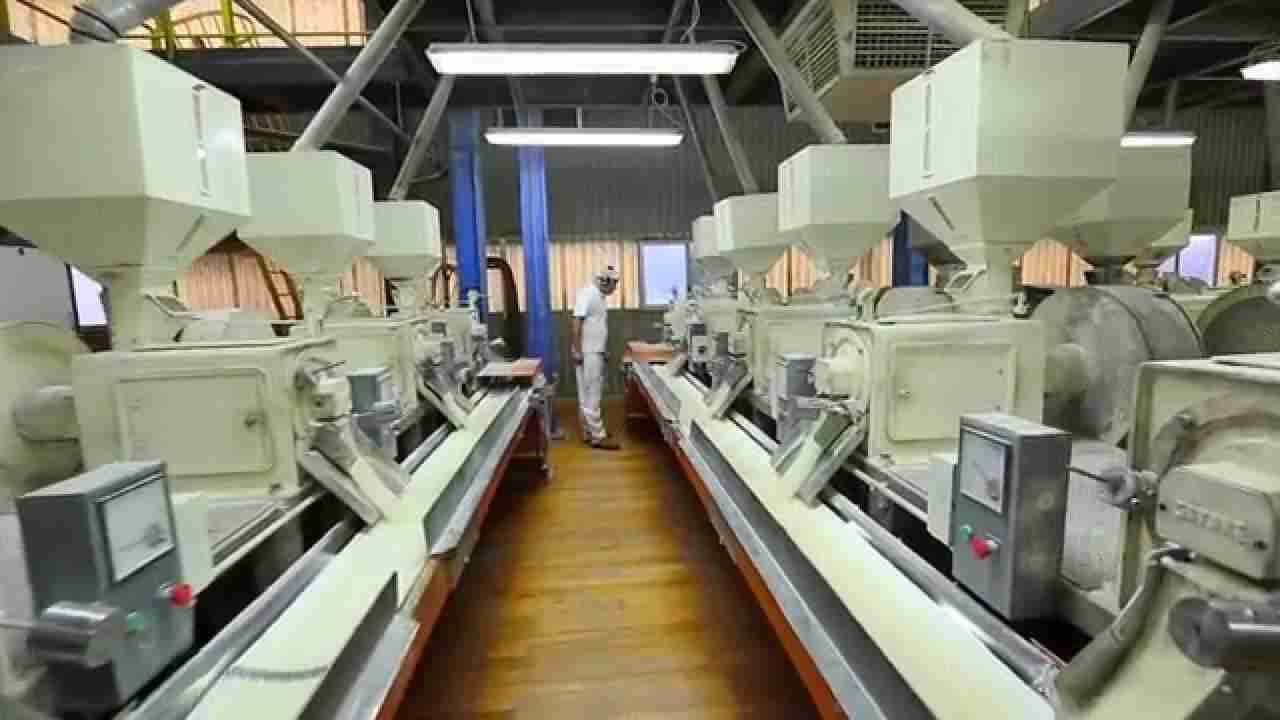
Exploring the Fundamentals of Rice Milling Technology
At the heart of rice production lies a sophisticated process that transforms harvested paddy into the polished grains enjoyed worldwide. The journey begins with pre-cleaning, which is critical for removing impurities such as dirt, stones, and straw. Following this, the husking stage comes into play, where the rice grains are separated from their protective husks. This is facilitated by a series of machines designed to properly handle the delicate grains, optimizing yield and ensuring minimal breakage. Essential components of this process include:
- De-husking machines: Efficiently remove the outer husk.
- Separation units: Differentiate between whole and broken grains.
- Polishing units: Enhance the visual appeal of rice by removing bran.
Advancements in milling technology have made the process more efficient than ever, integrating automation and real-time monitoring to maintain optimal conditions. One notable innovation is the incorporation of sensor technology, which continuously assesses moisture content, ensuring each batch is milled to perfection. Furthermore, milling units are now equipped with advanced sustainability practices, such as recycling waste products and minimizing energy consumption. Here’s a snapshot of some essential advantages of modern rice milling technology:
| Benefit | Description |
|---|---|
| Increased Output | Higher milling yields reduce waste and increase profitability. |
| Quality Enhancement | Improved technology yields superior quality rice that meets consumer demands. |
| Resource Efficiency | Reduced energy and water consumption through modernized systems. |

Enhancing Quality and Yield through Modern Milling Practices
Modern milling practices have revolutionized the rice industry, transforming not only the quality of the finished product but also enhancing overall yield. Through the integration of advanced technologies and techniques, rice milling units are capable of maximizing each seed’s potential. By employing precision milling methods and state-of-the-art machinery, millers can achieve higher extraction rates while minimizing damage to the grain. Key improvements in this area include:
- Automated Systems: Incorporating automation helps streamline operations, reducing human error and increasing consistency in processing.
- Quality Control Protocols: Regular checks and balances ensure that only the best quality grains are processed, maintaining the premium standards.
- Energy Efficiency: Upgraded machinery not only enhances output but also conserves energy, making the milling process more sustainable.
Furthermore, adopting modern milling practices facilitates better nutrient retention, which is paramount in delivering a wholesome product to consumers. Nutritional value can be optimized through techniques such as minimal processing, which preserves essential vitamins and minerals often lost in traditional methods. This approach also significantly decreases waste, ensuring that every part of the grain is utilized effectively. Here’s a brief comparison of traditional vs. modern milling outcomes:
| Aspect | Traditional Milling | Modern Milling |
|---|---|---|
| Yield Rate | 60-65% | 70-75% |
| Grain Quality | Average | Premium |
| Energy Consumption | High | Low |
| Nutritional Value | Reduced | Enhanced |

Sustainability in Rice Milling: Strategies for Responsible Production
Embracing sustainability in rice milling is a vital step toward not only enhancing the quality of production but also contributing to environmental preservation. The rice milling sector can adopt several innovative strategies to minimize its ecological footprint. Efficient energy use is fundamental; implementing state-of-the-art machinery that utilizes less energy can significantly reduce emissions. Additionally, recycling by-products, such as husks and bran, into useful products like biofuel or organic fertilizers not only adds value but also promotes a circular economy. Other essential strategies include:
- Water conservation: Using efficient water management systems to minimize waste.
- Sustainable sourcing: Partnering with local farmers who follow eco-friendly practices.
- Waste management: Establishing a clear waste disposal policy to recycle and compost residues.
Moreover, investing in community engagement and education can bolster sustainability efforts within the rice milling industry. Programs aimed at training employees and local farmers on best practices not only enhance production quality but also create a ripple effect in the community. Setting up demonstration farms can help in showcasing sustainable techniques, while collaborating with agricultural experts ensures constant improvement and adaptation of advanced practices. The following table outlines potential community engagement initiatives related to sustainable rice milling:
| Initiative | Description | Expected Outcome |
|---|---|---|
| Workshops | Training sessions on sustainable farming techniques. | Increased knowledge and implementation of eco-friendly practices. |
| Field Days | Open days for farmers to see sustainable practices in action. | Improved community buy-in and active participation. |
| Partnerships | Collaborating with NGOs and research institutions. | Access to resources and expertise for sustainable innovations. |
Empowering Communities: The Socioeconomic Impact of Rice Milling Units
Rice milling units serve as a catalyst for economic growth in rural areas, transforming not just agricultural practices but also the social fabric of communities. By establishing local milling facilities, farmers gain access to essential services that significantly enhance their livelihoods. The benefits are manifold, including:
- Increased Income: Farmers can sell their paddy at higher prices, as milling adds significant value to their raw produce.
- Job Creation: Rice milling units generate employment opportunities, ranging from skilled technicians to unskilled laborers, thus reducing unemployment rates.
- Food Security: Local milling enhances the availability of processed rice, meeting community demands and stabilizing prices.
Moreover, the establishment of rice milling units fosters a sense of community empowerment, enabling collaborative efforts in production and marketing. By promoting cooperation among farmers, these units encourage knowledge sharing and skill development. A quick look at the socioeconomic improvements highlights:
| Impact Area | Before Milling Units | After Milling Units |
|---|---|---|
| Average Farmer Income | $500/year | $1,200/year |
| Job Opportunities | 50 | 150 |
| Rice Prices Stability | High volatility | Improved stability |
the rise of rice milling units not only bolsters individual incomes but also nurtures a thriving ecosystem within communities, paving the way for sustainable development and resilience against economic uncertainties.
Final Thoughts
As we draw the curtain on our exploration of rice milling units, it becomes clear that their significance extends far beyond the confines of a simple processing facility. These units are the unsung heroes in the journey from paddy to plate, playing a crucial role in unlocking the potential of rice—a staple that nourishes billions. With advancements in technology and a growing awareness of sustainable practices, rice milling units are not just adapting but thriving, fostering economic stability and food security in communities around the world.
In closing, we invite you to reflect on the journey of rice itself, from the green fields of the farm to the bustling market stalls, each grain carrying a promise of nourishment and livelihood. As we embrace opportunities for innovation and efficiency within these essential units, we not only enhance the quality of this vital crop but also empower countless lives tied to its production. In nurturing the growth of rice milling units, we contribute to a future that honors tradition while embracing the potential for progress.



