
Transforming Grain: The Journey of a Paddy Processing Plant
In the golden embrace of early morning light, the rhythmic rustle of paddy fields beckons tales as old as agriculture itself. The journey from grain to plate is one steeped in history, tradition, and innovation, where nature’s bounty is meticulously transformed into staple sustenance. At the heart of this transformation lies the paddy processing plant, a veritable hub of activity that orchestrates the delicate balance between heritage and modern efficiency. This article embarks on an exploration of the intricate processes that breathe life into harvested rice, unveiling the machinery, labor, and artistry that contribute to a journey often overlooked. From the swaying stalks in the field to the polished grains that fill our bowls, join us as we dive into the world where grain is not just grown, but thoughtfully transformed, nourishing communities and fostering livelihoods along the way.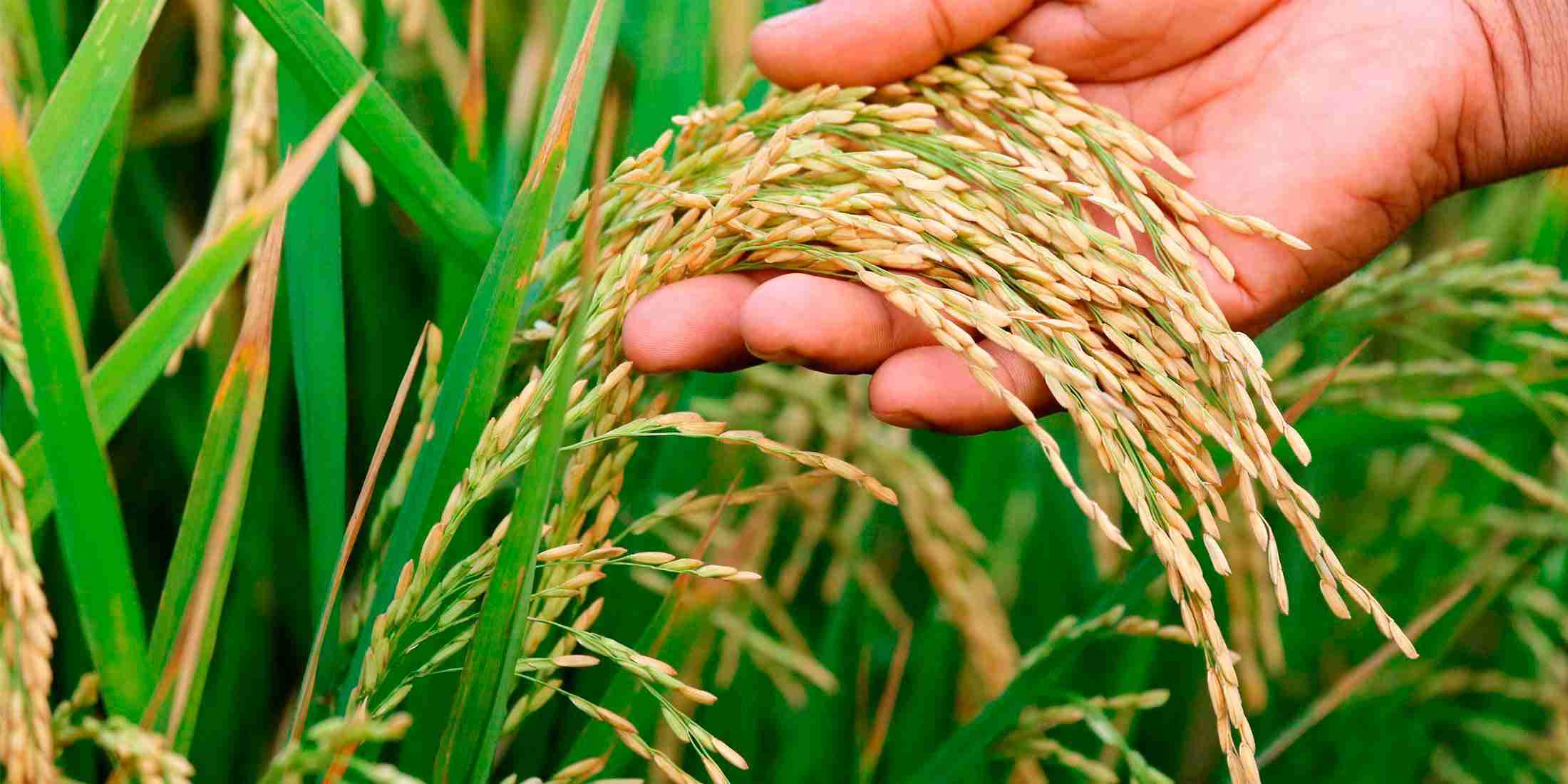
Understanding the Paddy Lifecycle from Field to Processing
The journey of paddy from the field to the processing plant is a fascinating transformation that begins with the careful cultivation of rice paddy in lush, flooded fields. These aquatic ecosystems provide a nurturing environment for the rice plants, allowing them to thrive under precise conditions. Farmers monitor various factors such as soil quality, water levels, and pest control to ensure a healthy yield. Once harvested, the grains undergo a critical phase known as threshing, where they are separated from the stalks. This marks the point where the paddy begins its metamorphosis, transitioning from a raw agricultural product to one that is ready for further processing.
After threshing, the raw paddy enters the processing stage, where it is subjected to a series of meticulously orchestrated operations designed to enhance its quality and commercial value. Key processes include:
- Drying: Moisture content is reduced to prevent spoilage.
- Hulling: The outer husk is removed, revealing the edible brown rice beneath.
- Milling: Rice is polished, refining it into white rice for consumer markets.
These steps not only improve the aesthetic appeal of the rice but also transform its texture and taste. To better understand the paddy lifecycle, consider the following table summarizing the stages and their significance:
| Stage | Process | Significance |
|---|---|---|
| Sowing | Planting seeds in flooded fields | Initiates crop growth |
| Harvesting | Cutting and gathering mature rice plants | First step towards processing |
| Processing | Drying, hulling, and milling | Prepares rice for market |

Innovative Techniques in Paddy Processing Technology
The evolution of paddy processing technology has undergone a transformative journey, propelled by innovative techniques that enhance efficiency and product quality. One of the standout advancements is the integration of automated milling systems that significantly reduce human error and improve processing speed. These systems incorporate advanced sensors and AI-driven algorithms to optimize every stage, from husking to polishing. Additionally, ultrasonic cleaning methods have emerged as a game changer, effectively removing contaminants and ensuring superior grain quality without the use of harsh chemicals. This environmentally friendly approach not only protects the grain but also aligns with sustainable agricultural practices.
Beyond machinery, the application of data analytics in paddy processing has opened new avenues for operational improvement. By using real-time data to monitor performance metrics, plants can identify bottlenecks and adjust workflows for maximum efficiency. Furthermore, smart storage solutions have begun to replace traditional methods, utilizing IoT technology to maintain optimal conditions and prevent spoilage. Below is a comparative overview of traditional vs. modern processing techniques:
| Aspect | Traditional Techniques | Modern Techniques |
|---|---|---|
| Processing Speed | Slower | Faster with automation |
| Contaminant Removal | Chemical agents | Ultrasonic cleaning |
| Data Utilization | Manual observation | Real-time analytics |
| Energy Efficiency | High | Reduced consumption |
Quality Control Measures for Optimal Grain Transformation
Effective quality control measures are the backbone of any successful paddy processing plant, ensuring that grains not only meet industry standards but also offer superior quality to consumers. At each stage of the grain transformation process, rigorous testing and evaluation are essential. This includes real-time monitoring of temperature and humidity levels, which can significantly affect the integrity of the grains. Plant personnel regularly conduct visual inspections to identify any imperfections or contaminants, followed by more specialized assessments such as moisture content analysis and broken grain percentage evaluation.
The integration of advanced technology further enhances these quality control measures. Automated systems can track grain flow, allowing for immediate adjustments if any parameters deviate from predetermined thresholds. Additionally, skilled technicians utilize modern machinery equipped with sieves and color sorters to ensure only the best grains are selected. Here’s a brief overview of the most common quality metrics and their significance:
| Quality Metric | Importance |
|---|---|
| Moisture Content | Prevents spoilage and maintains freshness |
| Foreign Matter | Affects taste and quality perception |
| Grain Size | Ensures uniformity for processing |
| Color | Indicates freshness and variety |
Sustainability Practices in Modern Processing Facilities
In the quest for environmental stewardship, modern processing facilities are embracing innovative sustainability practices. At the heart of these advancements is energy efficiency, where facilities are adopting solar panels, energy-efficient machinery, and smart grid technologies to reduce their carbon footprint. Additionally, water conservation techniques such as recycling water used during processing and implementing closed-loop systems are becoming standard protocols. These practices not only safeguard precious water resources but also optimize the production process, minimizing waste and ensuring the plant operates smoothly with a lower environmental impact.
Furthermore, waste management is taking center stage in sustainability initiatives. Many facilities have begun to implement zero-waste goals, diverting organic waste through composting and utilizing the by-products of grain processing to create animal feed or biofuels. Collaborative efforts with local farmers and communities are crucial, fostering a circular economy that benefits everyone involved. Here’s a quick overview of some effective strategies being employed:
| Strategy | Description |
|---|---|
| Renewable Energy Sources | Utilizing solar or wind energy to power the facility. |
| Water Recycling | Implementing systems to reclaim and reuse processing water. |
| Waste Utilization | Converting waste into useful products like compost or fuel. |
| Community Engagement | Collaborating with local farmers for waste exchange and feed production. |
To Conclude
As we conclude our exploration of the intricate journey within a paddy processing plant, it becomes clear that this transformative process encompasses far more than the mere conversion of grain. From the rhythmic hum of machinery to the delicate hands selecting the finest grains, each stage is a testament to the blend of tradition and innovation.
The humble paddy undergoes a metamorphosis, transcending its agricultural origins to become a staple that nourishes communities worldwide. This journey not only highlights the ingenuity of agricultural technology but also underscores the vital connections between farmers, processors, and consumers.
Ultimately, the story of grain transformation is a reminder of the impact of our agricultural systems and the continuous evolution that sustains them. As we celebrate the journey of paddy, we also recognize the broader narrative of food production—a narrative that invites us to appreciate every grain on our plates, acknowledging the labor and passion that bring it from field to fork. In a world where the pace of change accelerates, the processing plant stands as a pillar of both continuity and progress, embodying the enduring human spirit in its quest for nourishment.



