
Rice has been a staple food for civilizations around the world for centuries, but have you ever stopped to consider the intricate process that transforms raw paddy into the palatable grains we enjoy on our plates? Join us on a journey through the art of rice processing, where traditional techniques, modern technology, and a touch of skill come together to create the perfect serving of this beloved grain.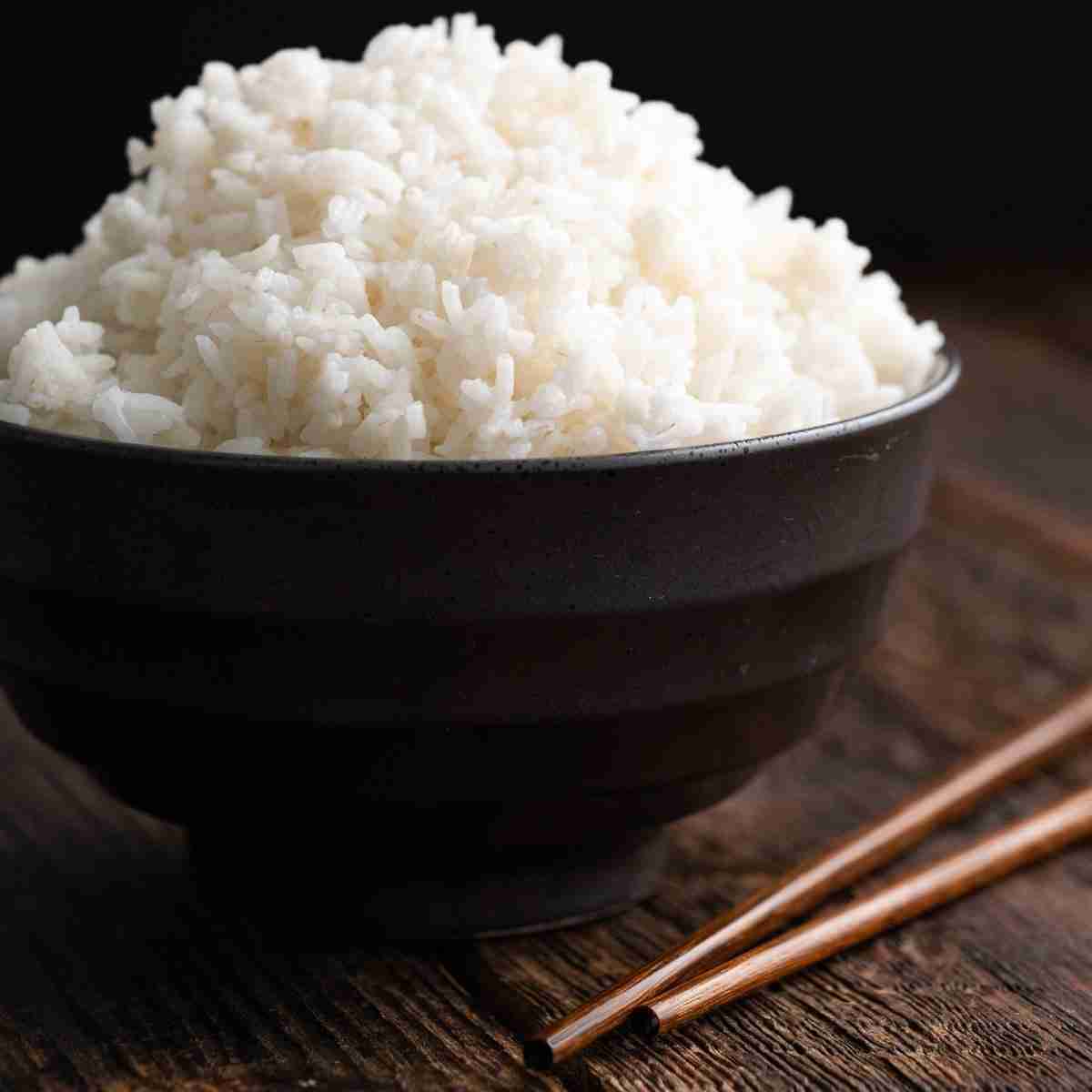
Decoding the Journey of Rice from Paddy to Plate
Rice, a staple food for over half of the world’s population, goes through a fascinating journey from being a humble paddy in the fields to a delectable dish on our plates. The process of rice processing involves a series of intricate steps that transform the raw grains into the polished white rice that we consume on a daily basis.
**Key stages in the rice processing journey include:**
- Hulling – removing the outer husk of the paddy
- Polishing – removing the bran layer to reveal the white rice beneath
- Grading – sorting the rice grains by size and quality
**Check out this table**
| Stage | Description |
|---|---|
| Hulling | Removal of paddy husk |
| Polishing | Removal of bran layer |
| Grading | Sorting by size and quality |
Rice processing is truly an art form, requiring skill and precision to ensure that each grain is processed to perfection. The next time you enjoy a plate of fluffy white rice, take a moment to appreciate the journey that it has taken from paddy to palatable delight.
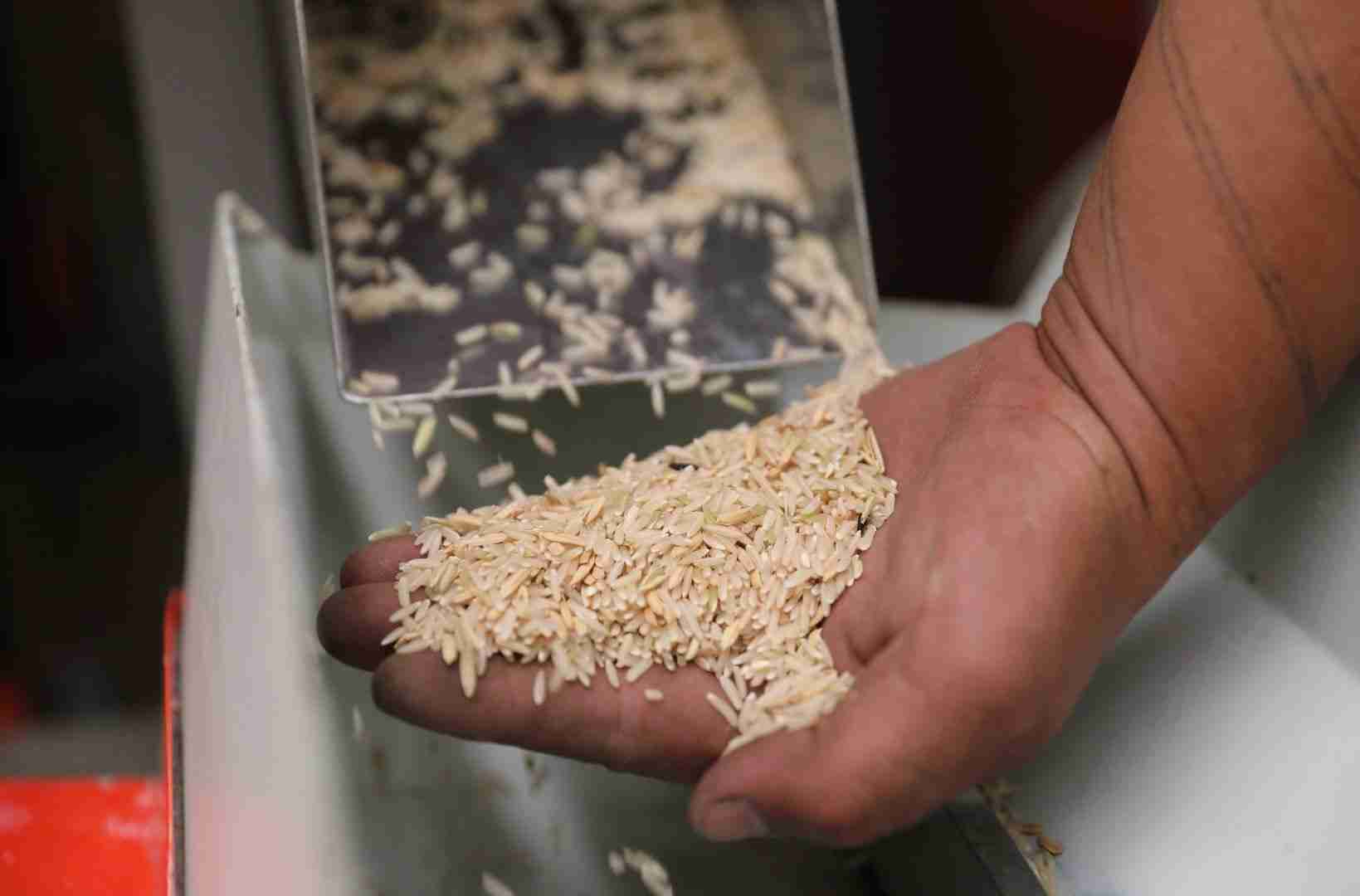
The Intricate Steps Involved in Rice Processing
Rice processing is a meticulous craft that transforms raw paddy into the familiar white grains we all love. The process involves several intricate steps that ensure the rice is cleaned, polished, and ready for consumption.
One of the key steps in rice processing is milling, where the outer husk is removed to reveal the edible inner grain. This is followed by the polishing stage, where the rice is buffed to achieve a glossy finish. Finally, the rice is sorted and graded based on size, shape, and quality, before being packaged and shipped to your local grocery store for you to enjoy.
Maximizing Flavor and Nutrition: Tips for Proper Rice Processing
When it comes to creating the perfect bowl of rice, proper processing is key. Not only does it enhance the flavor, texture, and aroma of the rice, but it also ensures that you are getting the most nutrition out of each grain. To maximize the flavor and nutrition of your rice, follow these tips:
- Choosing the right variety: Different rice varieties have distinct flavors and textures. Basmati rice is known for its fragrant aroma, while Jasmine rice is slightly sticky. Choose a variety that suits your dish.
- Rinsing the rice: Before cooking, rinse the rice under cold water to remove excess starch. This helps prevent clumping and ensures fluffy grains.
- Soaking the rice: Soaking the rice for at least 30 minutes before cooking helps to shorten the cooking time and improves the texture of the grains.
By following these simple steps, you can elevate your rice dishes from average to extraordinary. Remember, the art of rice processing is all about attention to detail and nurturing the flavors locked within each grain.
Innovative Techniques for Enhancing Rice Quality and Taste
Rice processing has come a long way from simple threshing and winnowing methods. Today, **innovative techniques** are being used to not only enhance the quality of rice but also elevate its taste to new heights. One such technique is parboiling, where the rice is partially boiled in the husk before milling. This not only helps retain more nutrients in the grain but also results in a firmer, more flavorful end product.
Another game-changing advancement in rice processing is vacuum packaging. By removing oxygen from the packaging, rice can stay fresher for longer periods, preserving its taste and texture. Additionally, **modern milling machines** are now equipped with sensors that can detect even the smallest impurities, ensuring a higher quality final product for consumers to enjoy.
Insights and Conclusions
As we close the chapter on the fascinating journey from paddy to palatable, we come to appreciate the intricate art of rice processing. From the humble grains in the field to the delicious dishes on our plates, the transformation is truly a remarkable feat. With the knowledge gained from this exploration, may we continue to savor and celebrate the role of rice in our lives. Let us remember and respect the skillful hands that bring this staple food to fruition, making it a delectable delight for all to enjoy. Cheers to the art of rice processing, a tradition that has nourished communities for generations and will continue to do so for years to come.



