
In the vast rice paddies of the world, a transformation takes place – from humble grains of rice to a valuable commodity that nourishes millions. Join us on a journey through the intriguing process of mini rice milling, where innovation and tradition meet to unlock the full potential of this essential staple. Explore the intricate steps and technologies involved in this captivating process as we delve into the world of grain to gain.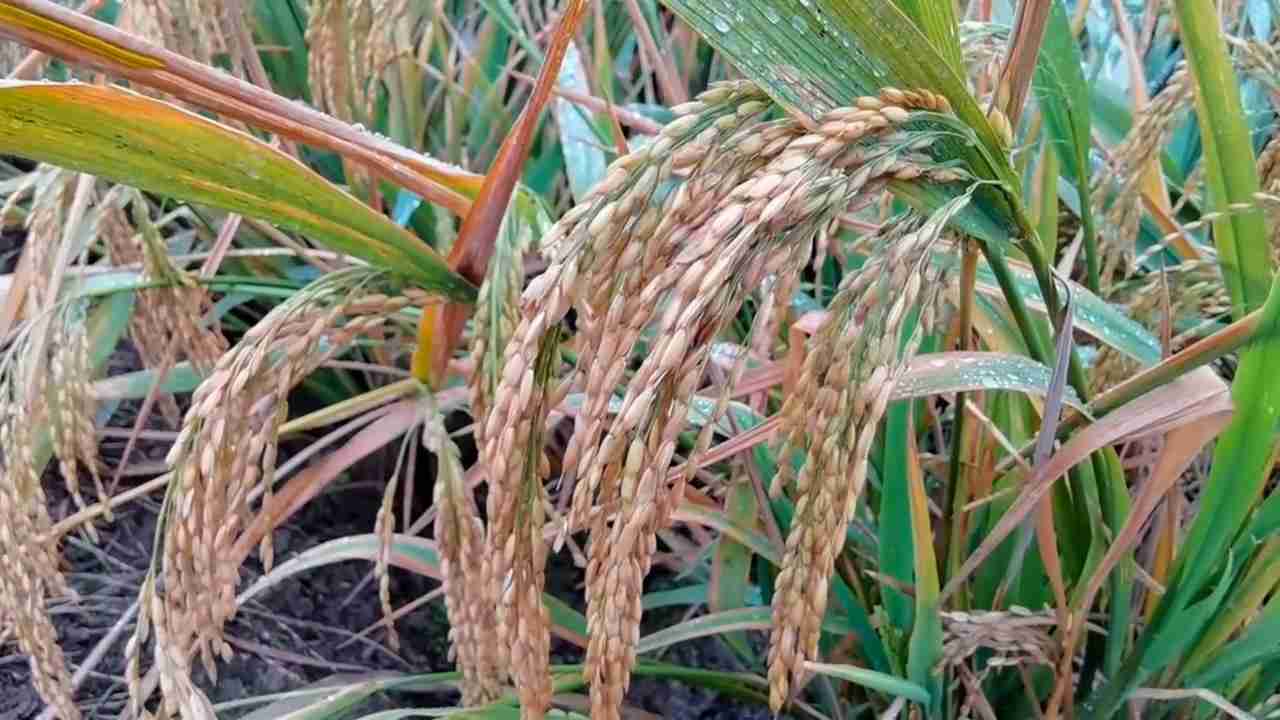
Understanding the Importance of Mini Rice Mills in Agricultural Economy
Rice is a staple food for a large portion of the world’s population, making it a crucial element in the agricultural economy. Mini rice mills play a significant role in the process of turning harvested rice into the polished grains that consumers purchase. These compact mills are essential for small-scale farmers and agricultural cooperatives, as they provide a cost-effective solution for processing rice efficiently.
Mini rice mills help farmers save time and labor by automating the process of hulling and polishing rice. This not only increases productivity but also ensures a higher quality end product that meets market standards. By investing in mini rice mills, farmers can add value to their crop and improve their profitability. In addition, these mills contribute to reducing post-harvest losses, which is essential for food security and economic stability in rural communities.
Key Components and Functions of a mini rice mill
When it comes to understanding the inner workings of a mini rice mill, there are several key components and functions that play a crucial role in the process. One of the primary components is the paddy separator, which helps to remove impurities from the raw paddy grains before they are processed further. This step is essential for ensuring the quality and purity of the final rice product.
Another important component of a mini rice mill is the rubber roller husker, which is responsible for removing the husk from the paddy grains. This process is crucial for transforming the raw grains into edible rice that is ready for consumption. Additionally, the polisher is a key function of the mini rice mill, as it helps to give the final rice product its shiny and appealing appearance.

Efficient Operation and Maintenance Practices for Optimal Results
When it comes to operating a mini rice mill efficiently, there are several key practices that can help ensure optimal results. One of the most important aspects is proper maintenance of the equipment. Regular cleaning and lubrication of the mill components can help prevent breakdowns and ensure smooth operation. Additionally, regularly checking for wear and tear on parts can help catch any potential issues early on.
Another important practice for efficient operation is proper grain handling. Ensuring that the grains are cleaned and dried properly before processing can help prevent clogs and reduce waste. Proper calibration of the mill settings based on the type of rice being processed can also help improve efficiency and overall output. By following these practices, operators can maximize the performance of their mini rice mill and achieve optimal results.
Exploring Potential Upgrades and Innovations in mini rice mill Technology
One potential upgrade in mini rice mill technology is the incorporation of automated sorting and grading systems. These systems use sensors and cameras to quickly and accurately sort rice grains based on size, color, and quality. This not only improves efficiency but also ensures a higher quality end product for consumers.
Another innovative feature that can be added to mini rice mills is the integration of IoT (Internet of Things) technology. IoT sensors can monitor various aspects of the milling process in real-time, such as temperature, moisture levels, and machine performance. This data can then be analyzed to optimize the milling process, reduce downtime, and prevent potential issues before they occur. By leveraging IoT technology, mini rice mills can operate more efficiently and sustainably.
The Conclusion
As we come to the end of our journey exploring the fascinating mini rice mill process, we hope you have gained valuable insights into the intricate world of grain processing. From the humble grain to the final product, every step in the rice milling process plays a crucial role in delivering the perfect grain on your plate. So the next time you dig into a bowl of steaming rice, remember the journey it took from the grain to gain. Thank you for joining us on this exploration of the mini rice mill process. Until next time, happy milling!



