
In the world of rice production, a new and innovative technology is beginning to transform the traditional methods of processing. The rise of automatic rice mills heralds a future where efficiency, precision, and consistency are paramount. As this cutting-edge technology continues to make waves in the industry, it begs the question: what will the future of processing hold for rice mills around the globe?
Heading 1: Enhancing Efficiency and Quality in Rice Processing
In the ever-evolving world of rice processing, automatic rice mills are paving the way for increased efficiency and quality in the industry. These state-of-the-art facilities are equipped with cutting-edge technology that streamlines the entire processing process, from cleaning and hulling to polishing and packaging. With the ability to operate 24/7 without the need for constant human supervision, automatic rice mills are revolutionizing the way rice is processed on a large scale.
Through the use of sensors, automation, and artificial intelligence, automatic rice mills can detect and eliminate impurities, adjust processing parameters in real-time, and ensure consistent product quality with minimal human intervention. This not only results in higher yields and lower production costs but also guarantees a premium end product that meets the stringent quality standards of today’s discerning consumers. As the demand for high-quality rice continues to rise, the future of processing undoubtedly lies in the rise of automatic rice mills.
Heading 2: The Role of Automation in Modern Rice Mills
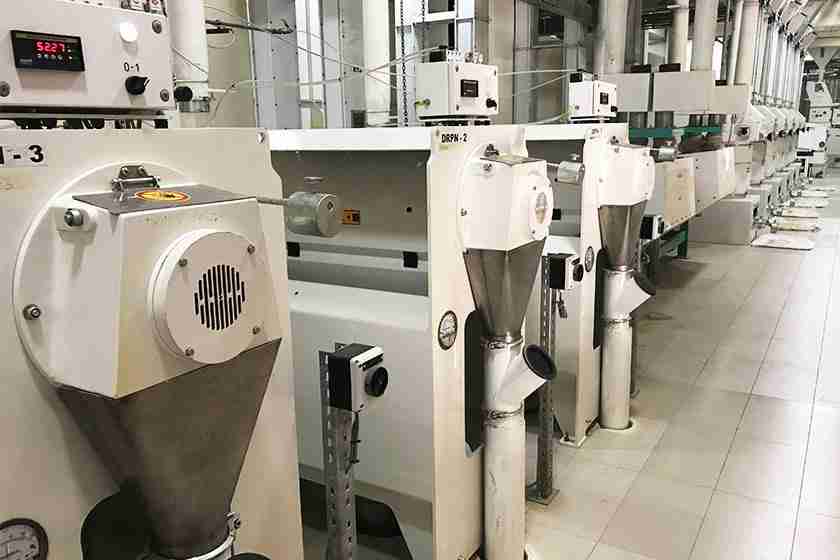
With advancements in technology, the role of automation in modern rice mills has become increasingly vital. Automatic rice mills utilize cutting-edge machinery to streamline the processing of rice, from cleaning and dehusking to polishing and packaging. This automation not only increases efficiency but also ensures consistency in the quality of the final product.
Automated rice mills are equipped with sensors and computerized systems that monitor and control every step of the processing, reducing the need for manual labor and minimizing the risk of human error. Additionally, these modern mills are capable of handling a higher volume of rice production, meeting the demands of the growing population. The rise of automatic rice mills is revolutionizing the industry, paving the way for a more sustainable and efficient future for rice processing.

Heading 3: Sustainable Practices in Automatic Rice Milling
In the ever-evolving landscape of food processing, automatic rice milling has emerged as a sustainable solution for ensuring efficient production while minimizing waste. These advanced mills are equipped with cutting-edge technology that not only streamlines the process but also reduces energy consumption and carbon footprint. By implementing sustainable practices, automatic rice mills are paving the way for a more eco-friendly future in food production.
One of the key benefits of automatic rice milling is the significant reduction in water usage compared to traditional methods. With advanced water recycling systems and precise control over the amount of water used in each stage of processing, these mills are able to operate more efficiently while conserving this precious resource. Additionally, the automation of tasks such as sorting, husking, and polishing results in higher yields and lower food wastage, making automatic rice milling a game-changer in the quest for sustainability in the food industry.
Heading 4: Key Considerations for Investing in Automatic Rice Mills
When considering investing in automatic rice mills, there are several key factors to keep in mind. One important consideration is the level of automation the mill offers. Fully automatic rice mills can significantly increase efficiency and reduce labor costs. Look for mills that offer features such as automated feeding, husking, and polishing to streamline the processing process.
Another crucial factor to consider is the capacity of the mill. Ensure that the automatic rice mill you choose has the capacity to meet your production requirements. Additionally, consider the cost of maintenance and any additional training needed for operating the equipment. By carefully evaluating these key considerations, you can make a well-informed decision when investing in automatic rice mills for your processing needs.
The Conclusion
As technology continues to evolve, the future of rice processing looks promising with the rise of automatic rice mills. These innovative machines are revolutionizing the way rice is processed, making the entire production process more efficient and cost-effective. With advanced features and capabilities, automatic rice mills are poised to play a key role in meeting the growing demand for rice worldwide. As we look towards the future, it is clear that automatic rice mills will continue to shape the industry and pave the way for a more sustainable and productive future in rice processing.



