
In the bustling streets of ancient China, the art of rice milling was a revered tradition passed down through the generations. From the swirling waters of the Yangtze River to the tranquil fields of the countryside, this intricate craft played a vital role in shaping the culinary landscape of the Middle Kingdom. Join us on a journey through time as we delve into the enchanting world of Chinese rice milling, where each grain tells a story of dedication, skill, and centuries-old heritage.
Exploring the Rich History of Chinese Rice Milling Techniques
Chinese rice milling techniques have a rich history that dates back centuries, showcasing the country’s dedication to the craft of producing high-quality rice. Traditional Chinese rice milling involves intricate processes that have been passed down through generations, ensuring the preservation of time-honored methods. From hand-operated mills to modern machinery, each step in the rice milling process is a testament to the skill and expertise of Chinese rice millers.
One fascinating aspect of Chinese rice milling is the use of specialized tools and equipment designed specifically for this purpose. The incorporation of water-powered mills and innovative husking machines highlights the ingenuity of Chinese rice millers in optimizing efficiency and quality. Additionally, the reliance on traditional techniques such as pounding and polishing rice grains showcases a deep respect for the art of rice milling in Chinese culture. Through the exploration of these traditional practices, we gain a deeper appreciation for the craftsmanship and dedication that goes into producing the staple food of China.
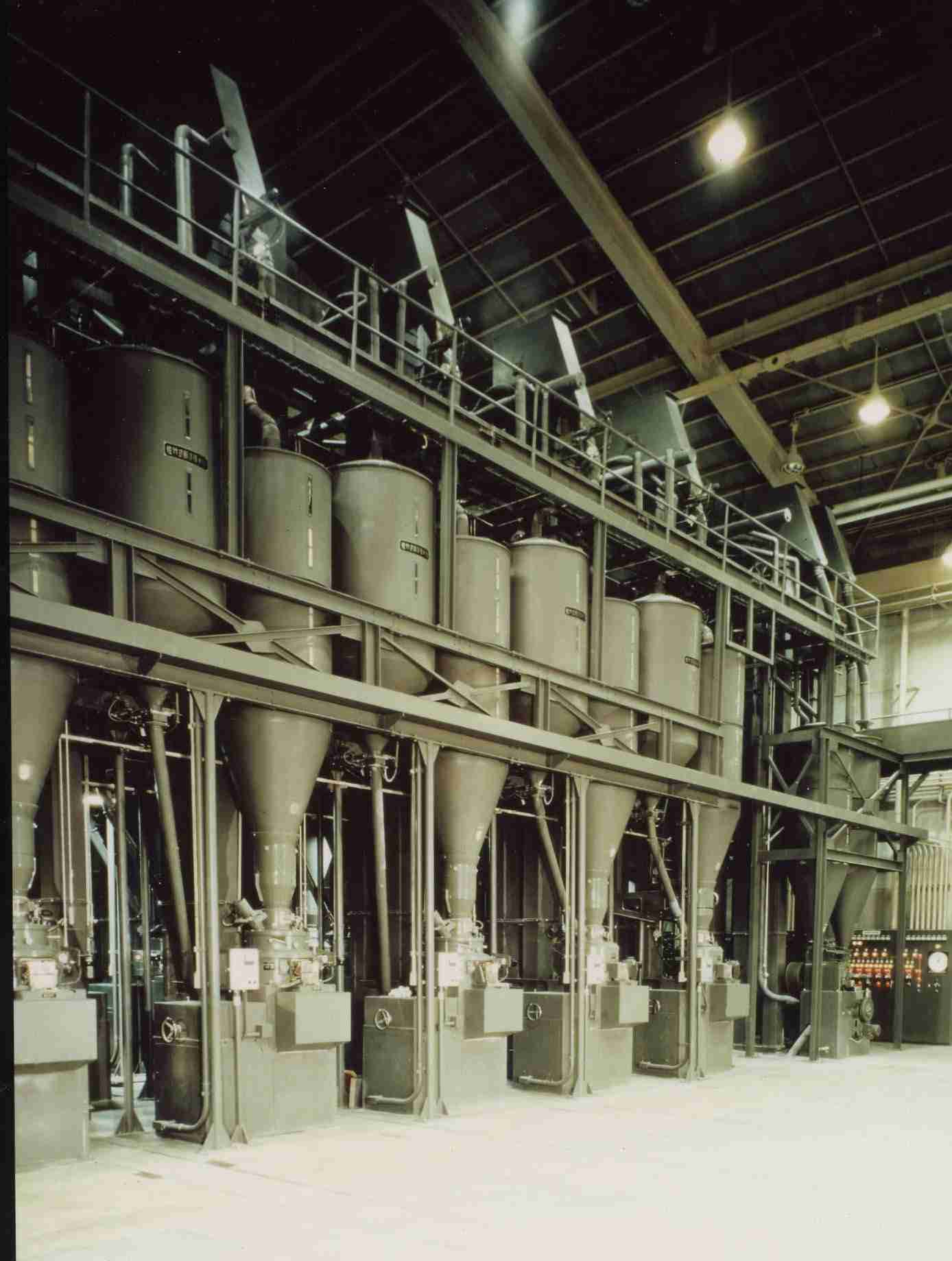
Traditional Methods vs Modern Technology in Rice Milling
In the world of rice milling, there has always been a debate between traditional methods and modern technology. While modern machinery has certainly revolutionized the industry, there is something to be said about the traditional craft of Chinese rice milling that has been passed down for generations. The intricate process of hand-pounding rice grains to perfection is truly an art form that requires skill, patience, and precision.
One of the main differences between traditional methods and modern technology in rice milling is the level of control and customization. With traditional methods, artisans have the ability to adjust the pressure and speed of the pounding process to achieve the desired texture and consistency of the rice. This hands-on approach allows for a more personalized touch that is often missing in automated milling processes. While modern technology may offer efficiency and speed, there is a certain charm and authenticity that comes with the traditional craft of Chinese rice milling.

Preserving and Promoting Traditional Rice Milling Practices
Chinese rice milling has a long and rich history, dating back thousands of years. The traditional craft of rice milling is not only a practical method of processing rice but also a cultural heritage that showcases the ingenuity and craftsmanship of the Chinese people. By preserving and promoting these traditional practices, we can ensure that this important aspect of Chinese culture is passed down to future generations.
One of the key components of traditional Chinese rice milling is the use of stone mills. These mills use large stones to grind the rice, resulting in a more flavorful and nutritious product compared to modern milling methods. Additionally, traditional rice milling practices often involve hand-sorting the grains to remove impurities, ensuring a higher-quality end product. By exploring and celebrating these traditional techniques, we can help to keep this ancient craft alive and thriving for years to come.
Tips for Participating in Hands-On Chinese Rice Milling Workshops
Are you ready to immerse yourself in the traditional craft of Chinese rice milling? Follow these tips for a successful and enriching experience!
First and foremost, come prepared with comfortable clothing that you don’t mind getting a little messy. You’ll be getting hands-on with the rice milling process, so wearing something practical is key. Additionally, be sure to bring along a hat and sunscreen if the workshop is outdoors to protect yourself from the sun’s rays. Don’t forget to also pack a water bottle to stay hydrated throughout the day.
Key Takeaways
In conclusion, delving into the traditional craft of Chinese rice milling offers a fascinating glimpse into the rich cultural heritage and time-honored techniques that have sustained generations of farmers and artisans. As we reflect on the laborious process and intricate skill involved in producing this staple food, we gain a deeper appreciation for the artistry and dedication that imbue every grain of rice with history and tradition. So next time you sit down to enjoy a steaming bowl of rice, take a moment to savor the flavors of the past and the legacy of a craft that continues to shape the culinary landscape of China and beyond.



