
Step inside the gates of a parboiled rice processing plant and prepare to be transported into a world where science meets magic. From humble grains to fluffy, nutrient-rich rice ready to grace our plates, witness the fascinating transformation that takes place behind the scenes. Join us on a journey through the intricate processes that bring out the best in this underrated staple food, unlocking the secrets of the magic of parboiled rice.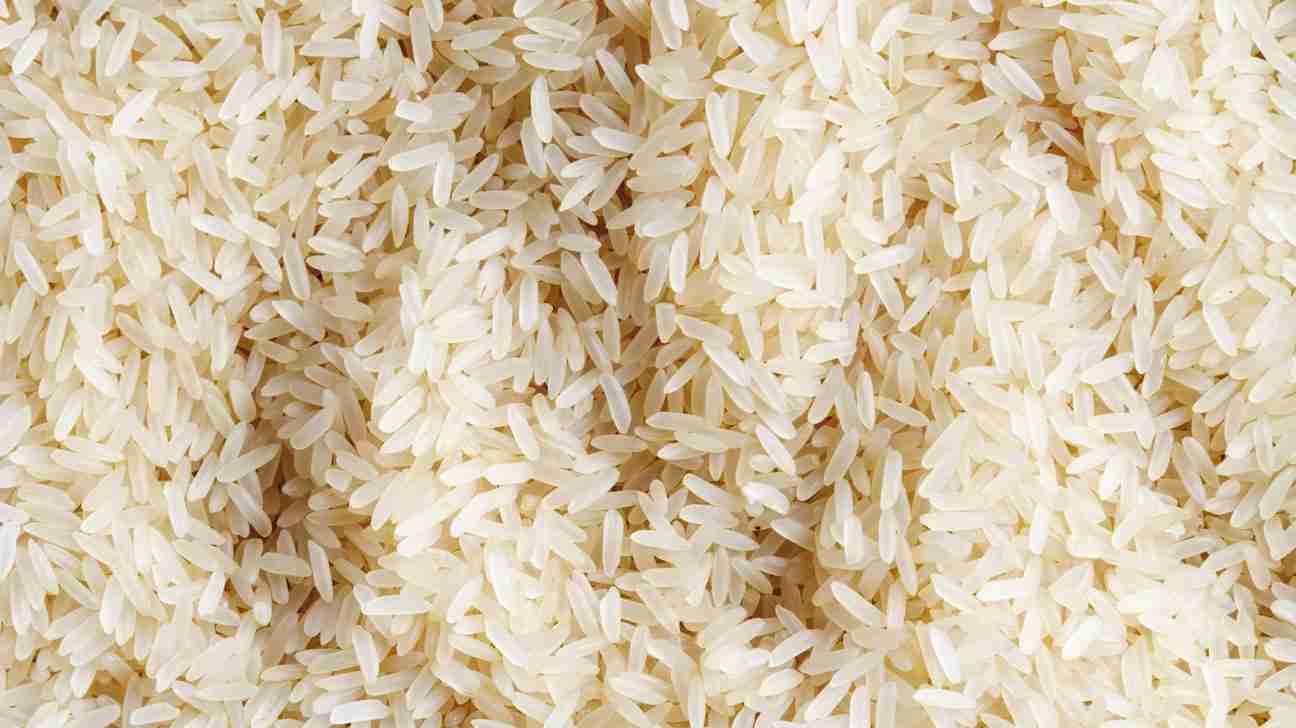
Unveiling the Transformative Process of Parboiled Rice
At the heart of a parboiled rice processing plant lies a mesmerizing transformative process that turns raw rice grains into the fluffy, nutritious product we all know and love. The journey begins with carefully selected rice grains that undergo a unique process of soaking, steaming, and drying.
During the soaking stage, the rice grains absorb moisture, allowing them to swell and become more resistant to breakage during the subsequent steaming process. The steaming process further gelatinizes the starches in the rice, resulting in a firmer, less sticky texture compared to regular white rice. Finally, the rice is dried to lock in nutrients and preserve its quality, ready to be packaged and distributed to consumers around the world.
The Unrivaled Nutritional Benefits of Parboiled Rice
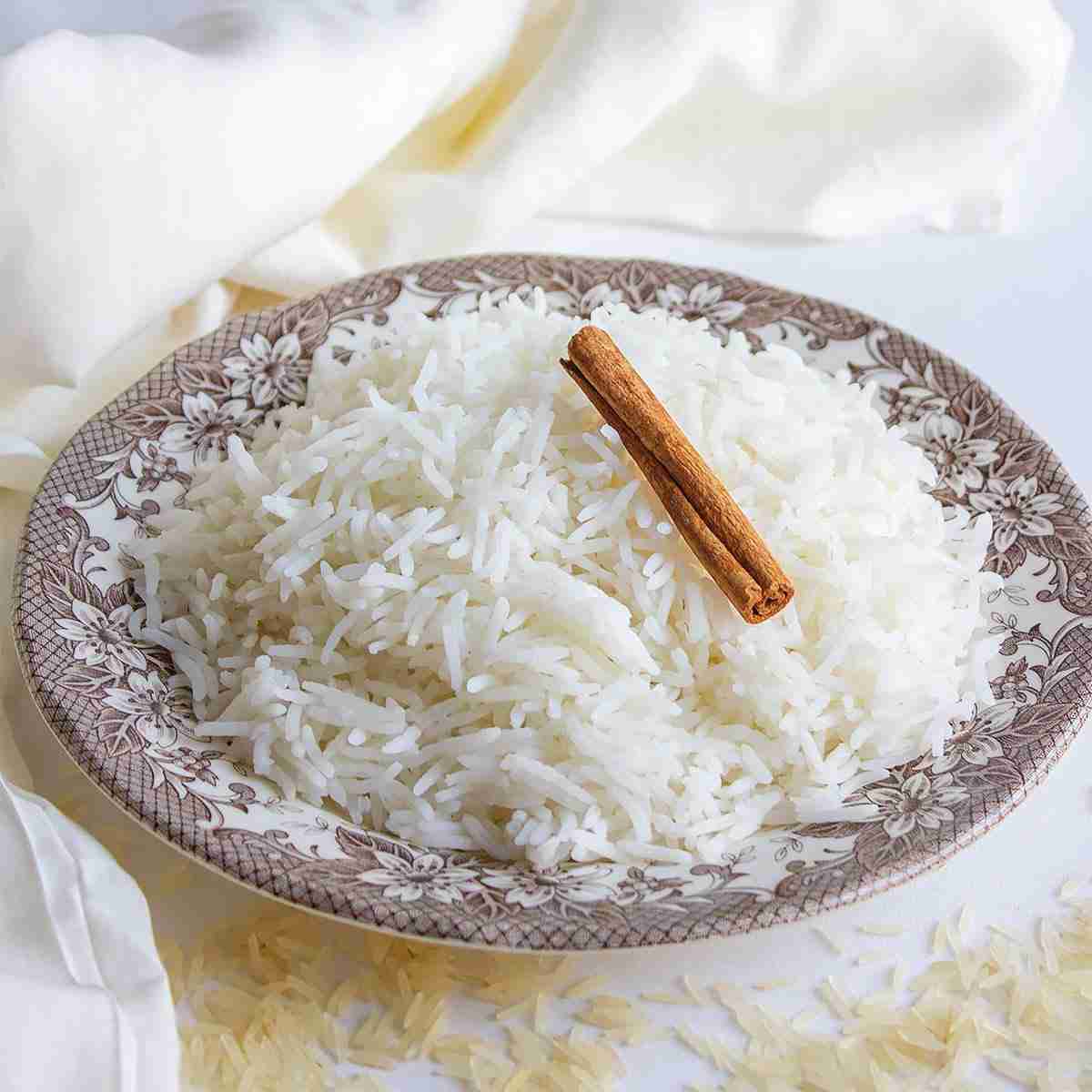
When it comes to the world of rice, parboiled rice stands out for its unrivaled nutritional benefits. The magic lies in the unique processing method that sets this type of rice apart from the rest. At a parboiled rice processing plant, the raw rice undergoes a special treatment that enhances its nutritional value and makes it a powerhouse of nutrients.
Inside the processing plant, the raw rice kernels are soaked, steamed, and dried before being milled. This process helps retain the nutrients that are usually lost during traditional milling. The result is a grain that is rich in fiber, vitamins, and minerals. Parboiled rice is not only delicious but also a great source of essential nutrients like:
- Vitamin B6
- Fiber
- Iron
- Potassium
- Zinc

Efficient Techniques Used in Parboiled Rice Processing
At the heart of every parboiled rice processing plant lies a series of efficient techniques that transform raw rice grains into the golden, fluffy goodness we all know and love. One key technique used in this process is pre-steaming the rice under pressure, which helps gelatinize the starches and nutrients within the grain. This step ensures that the rice retains more nutrients compared to traditional white rice, making it a healthier option for consumers.
Another essential technique is drying the parboiled rice to the optimal moisture content, which helps to prevent spoilage and maintain the quality of the grains during storage and transportation. This meticulous process requires precision and expertise to ensure that each batch of rice meets the highest standards of quality and taste. By employing these efficient techniques, parboiled rice processing plants are able to deliver top-quality products to markets around the world, delighting customers with every bite.
Enhancing Quality Control Measures in Parboiled Rice Production
One of the key components in ensuring the quality of parboiled rice production is the implementation of stringent quality control measures within processing plants. These measures encompass every stage of the production process, from receiving the paddy rice to packaging the final product. By adhering to these measures, processing plants can guarantee consistent quality and safety standards for consumers.
- Regular testing of raw materials for impurities and contaminants.
- Monitoring of processing equipment for proper function and calibration.
- Implementation of hygiene protocols to prevent contamination during production.
- Quality checks at each stage of processing to ensure adherence to specifications.
- Final product testing for moisture content, color, texture, and taste.
By enhancing these quality control measures, processing plants can produce parboiled rice that meets the highest standards of quality and safety. Consumers can enjoy the nutritional benefits and delicious taste of parboiled rice with confidence, knowing that each grain has been carefully processed to perfection.
| Quality Control Measure | Importance |
|---|---|
| Regular testing of raw materials | Ensures purity and safety of the product. |
| Hygiene protocols | Prevents contamination and maintains product integrity. |
| Final product testing | Guarantees quality and consistency for consumers. |
Final Thoughts
As we wrap up our journey through the fascinating world of parboiled rice processing, we hope you have gained a newfound appreciation for this magical grain and the intricate process that transforms it into the fluffy, flavorful rice we all know and love. From the soaking and steaming to the drying and milling, each step is carefully executed to ensure the highest quality product reaches your table. Next time you enjoy a delicious bowl of rice, take a moment to think about the dedication and craftsmanship that goes into every grain. Thank you for joining us on this captivating exploration of the magic of parboiled rice.



