
Tucked away in the heart of rural countryside lies a bustling hub of activity known as “The Grain Factory.” This unassuming paddy processing plant stands as a testament to the age-old tradition of rice cultivation, combining modern technology with time-honored techniques to produce one of the world’s most essential grains. Join us as we step inside the inner workings of this fascinating facility and discover the intricate process behind turning humble rice paddies into the staple food that feeds millions around the globe.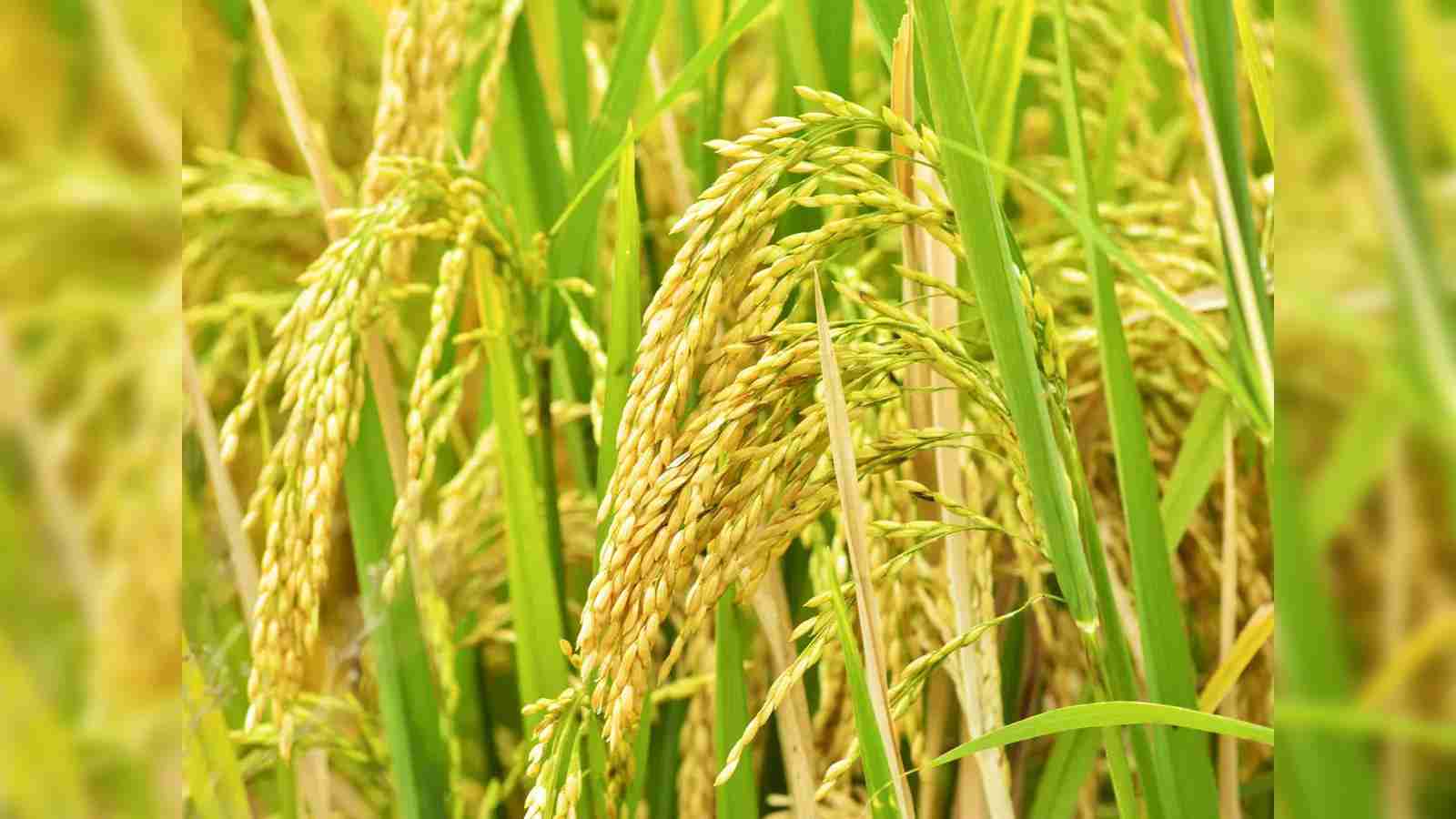
Overview of Paddy Processing Techniques
Step into the world of paddy processing and witness the intricate techniques that turn raw rice grains into the polished ones we see on supermarket shelves. As you walk through the processing plant, you’ll be greeted by the rhythmic hum of machines and the earthy aroma of freshly milled rice. The journey of a paddy grain from harvest to market is a fascinating one, filled with innovations and time-honored traditions.
At the heart of the processing plant lies a series of machines that work in harmony to clean, dehusk, polish, and sort the rice grains. These machines include the paddy separator, destoner, husker, whitener, and color sorter. Each machine plays a crucial role in ensuring that the final product meets the highest quality standards. With precision and efficiency, these machines transform rough paddy grains into premium rice ready for consumption.

Quality Control Measures in Paddy Processing Plants
When it comes to ensuring the quality of the grains produced at a paddy processing plant, several measures are put in place to maintain high standards. One key aspect of quality control in these facilities is the implementation of strict hygiene practices. This includes regular cleaning and sanitization of the equipment and processing areas to prevent contamination and maintain the integrity of the grains.
Another important quality control measure in paddy processing plants is the use of advanced technology to monitor and regulate the various stages of the processing cycle. This includes the use of automated sorting and grading machines to ensure consistency in the size and quality of the grains. Additionally, regular inspections and quality checks are conducted throughout the production process to identify any potential issues and address them promptly. Overall, these quality control measures play a crucial role in ensuring that the grains produced at paddy processing plants meet the highest standards of quality and safety.
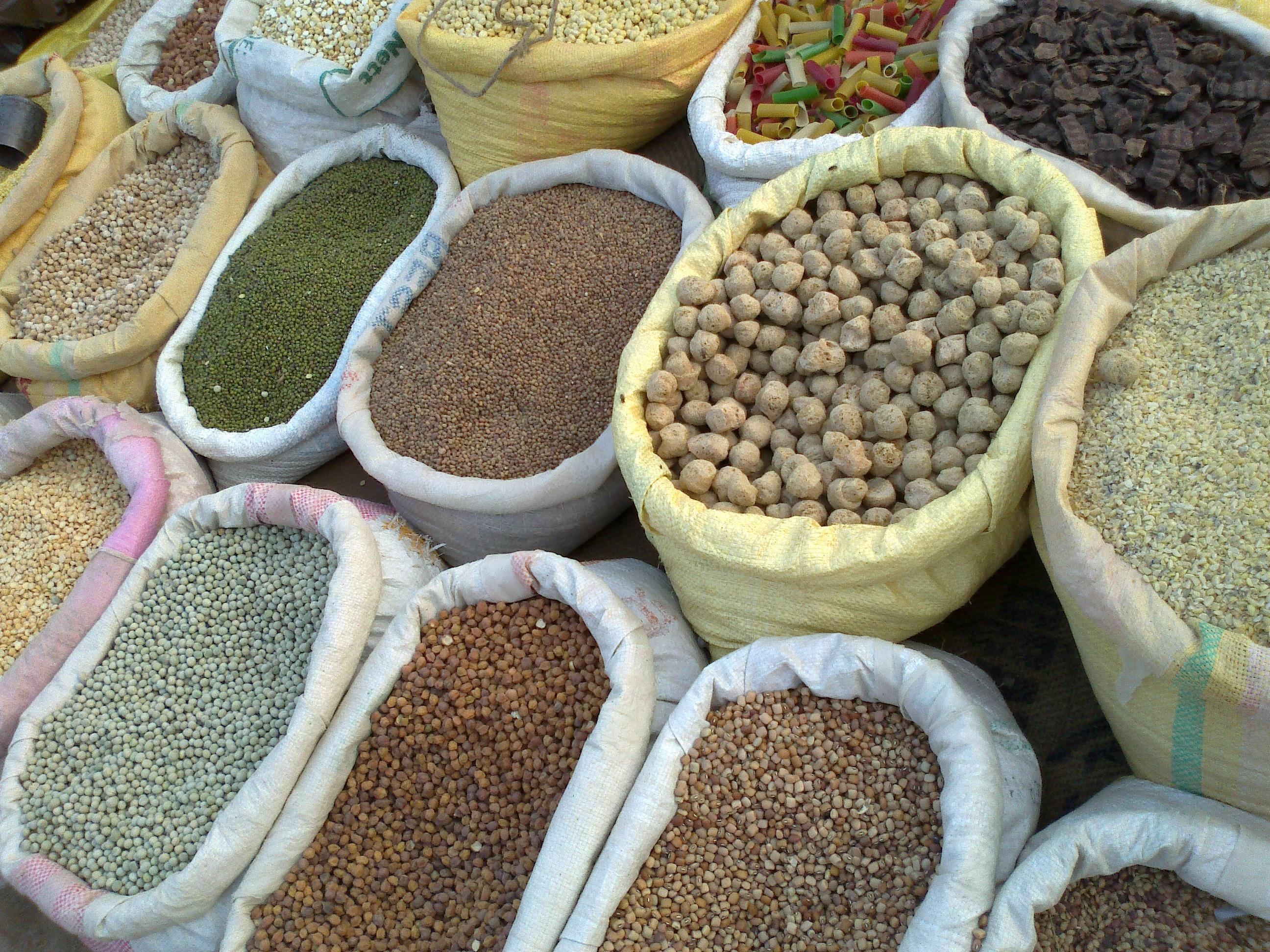
Optimizing Efficiency in Grain Factory Operations
At the heart of every grain factory lies a sophisticated paddy processing plant that is meticulously designed to optimize efficiency in operations. The plant is a carefully orchestrated dance of machinery and human expertise, working in harmony to transform raw paddy into high-quality grains ready for consumption.
Within the walls of the processing plant, state-of-the-art equipment such as grain separators, huskers, and polishers work tirelessly to clean, dehusk, and polish the paddy to perfection. Skilled technicians monitor every step of the process, ensuring that each grain meets strict quality standards before it is packaged and shipped to customers around the world. With a focus on continuous improvement and innovation, the grain factory is constantly seeking new ways to enhance efficiency and productivity in its operations.
Sustainable Practices for Paddy Processing Plants
At the heart of every paddy processing plant lies a complex system of machinery and equipment working tirelessly to transform raw paddy grains into the rice we consume daily. With a growing focus on sustainability, these plants are increasingly adopting green practices to reduce their environmental impact. One key sustainable practice is the use of energy-efficient machines that consume less power while maintaining high levels of productivity.
Another crucial aspect of sustainable paddy processing plants is the implementation of waste management systems to minimize environmental pollution. By recycling water used in the processing of paddy, these plants not only conserve water resources but also reduce the release of harmful chemicals into the environment. Additionally, many plants are investing in modern technologies such as solar panels to generate clean energy, further reducing their carbon footprint.
Concluding Remarks
As we conclude our exploration of The Grain Factory, we have gained a newfound appreciation for the intricate processes involved in transforming paddy into the essential grains that nourish billions of people worldwide. The dedication and precision demonstrated by the workers within these walls remind us of the importance of sustainable and efficient food production. Next time you enjoy a bowl of rice or a slice of bread, take a moment to reflect on the journey it took from the paddy fields to your plate. Thank you for joining us on this insightful journey through the heart of a paddy processing plant.



