
In the bustling world of agriculture, one intricate process stands out for its blend of tradition and innovation: rice milling. As a staple food for nearly half of the global population, rice production is a vital industry that continues to evolve with each passing generation. Join us as we delve into the art of rice milling, taking an in-depth look at a modern rice milling unit and the fascinating journey from paddy to perfectly polished grains.
Understanding the Modern Rice Milling Process
In a modern rice milling unit, the process of transforming paddy rice into polished white rice involves several intricate steps. One of the first steps is cleaning the raw paddy rice to remove impurities such as dust, stones, and other foreign materials. This ensures that the final product is of high quality and free from contaminants. The cleaned paddy rice is then passed through a series of machines that gradually remove the outer husk, bran layer, and germ, leaving behind the polished white rice grain.
After the initial milling process, the polished white rice undergoes further sorting and grading to separate any broken or damaged grains from the whole grains. This ensures that only the best quality rice is packaged and ready for consumption. Finally, the rice is polished to give it a shiny appearance and improve its market appeal. The entire modern rice milling process is a blend of technological advancements and traditional methods, resulting in high-quality rice that is nutritious and delicious.
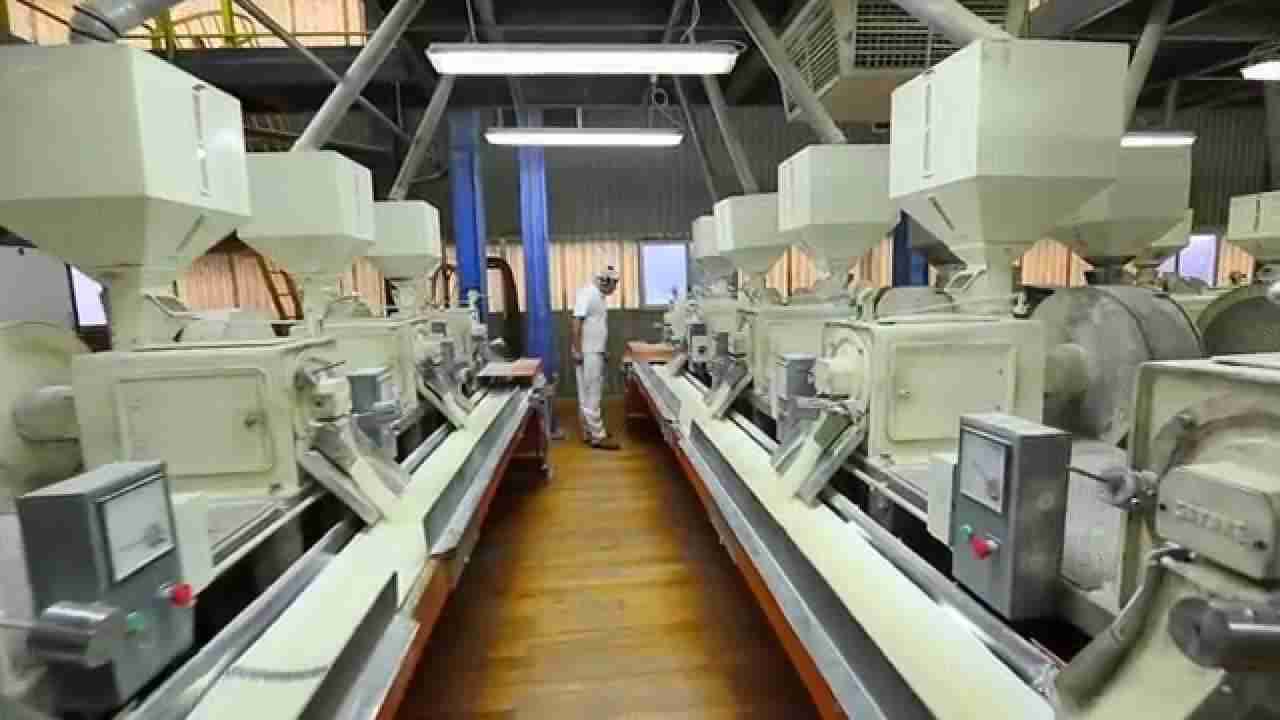
Innovative Technologies and Equipment in Rice Milling
Rice milling has come a long way from traditional methods to modern, state-of-the-art processes. With the advent of innovative technologies and equipment, rice millers are able to produce higher quality rice more efficiently than ever before. One of the key components of a modern rice milling unit is the use of advanced machinery that automates various stages of the process, from cleaning and husking to polishing and grading.
Some of the cutting-edge technologies and equipment that are revolutionizing the rice milling industry include:
- Gravity separators: These machines use air to separate impurities from the rice grains, ensuring a cleaner end product.
- Color sorters: These devices use advanced sensors to remove discolored or defective grains, improving the overall quality of the rice.
- Paddy separators: These machines separate the husk from the paddy, allowing for more efficient processing.

Efficient Operations and Quality Control in Modern Rice Mills
When it comes to , there are several key factors that play a crucial role in ensuring the production of high-quality rice products. One of the main aspects of a modern rice milling unit is the use of advanced technology and automation. By incorporating state-of-the-art machinery and equipment, rice mills are able to streamline their operations and increase overall efficiency. This not only helps in saving time and labor costs but also results in improved quality control throughout the milling process.
Another important aspect of modern rice mills is the implementation of strict quality control measures. By conducting regular inspections and tests at each stage of the milling process, rice millers can ensure that only the highest quality rice products are produced. This involves monitoring factors such as moisture content, grain size, and color consistency. By maintaining strict quality control standards, modern rice mills can uphold their reputation for delivering premium rice products to consumers.
Tips for Maximizing Yields and Quality in Rice Milling Operations
In a modern rice milling unit, maximizing yields and quality is essential for ensuring the success of the operation. One key tip for achieving this is to invest in high-quality milling equipment that can efficiently process the rice while maintaining its nutritional value and appearance. Additionally, implementing proper cleaning and maintenance procedures for the machinery can help prevent contamination and ensure the consistency of the final product.
Another important aspect to consider is the proper handling and storage of the rice before and after the milling process. Storing the rice in a clean and well-ventilated area can help prevent mold growth and maintain its freshness. Additionally, utilizing automated packaging systems can help streamline the packaging process and ensure that the rice is properly sealed for maximum shelf life. By following these tips and paying attention to detail in every step of the milling process, a modern rice milling unit can produce high yields of quality rice that meet market demands.
| Tip | Description |
|---|---|
| Invest in Quality Equipment | High-quality machinery can improve efficiency and maintain nutritional value. |
| Proper Storage | Storing rice in a clean area can prevent mold growth and maintain freshness. |
| Automated Packaging | Using automated systems can streamline packaging and ensure proper sealing. |
Future Outlook
As we conclude our in-depth exploration of the intricate process of rice milling, we hope you have gained a newfound appreciation for the artistry and precision involved in transforming raw rice into the polished grains we enjoy every day. From the state-of-the-art equipment to the skilled hands that operate them, the modern rice milling unit is a testament to human ingenuity and innovation. We invite you to continue exploring the fascinating world of agriculture and food production, where every grain tells a story of dedication and expertise. Thank you for joining us on this journey through the art of rice milling.



