
In the sprawling fields of agriculture, where timeless traditions meet modern technology, one crop stands out as a symbol of innovation: rice. As one of the most consumed grains in the world, rice farming has undergone a revolution in recent years thanks to advancements in machinery. From planting to harvesting, these cutting-edge tools have transformed the way farmers cultivate this essential crop, increasing efficiency and yields like never before. Join us as we explore the fascinating world of rice machinery and the profound impact it has had on the landscape of farming.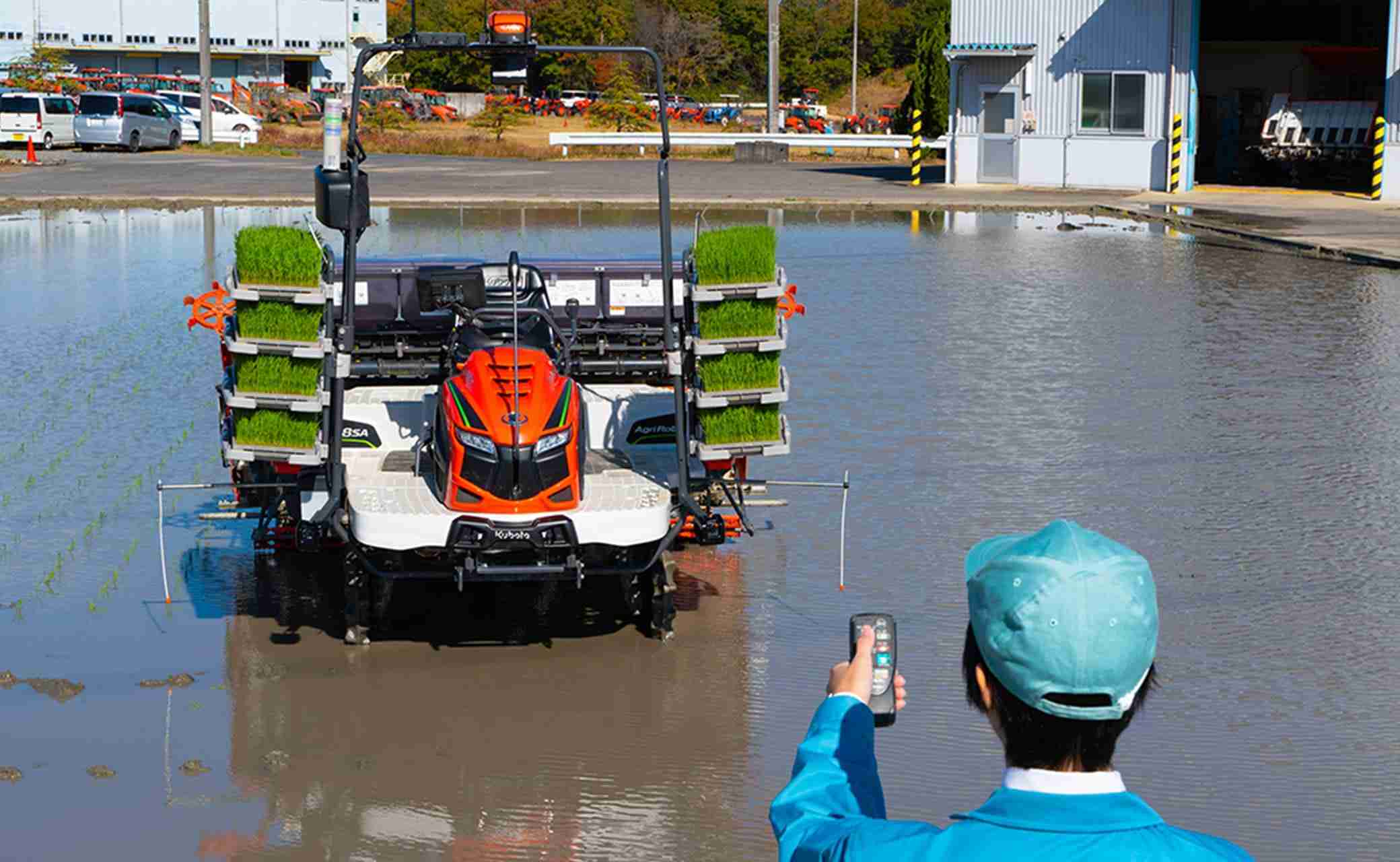
Innovative Rice Planting Machines: Revolutionizing Farming Practices
Rice planting machines have transformed traditional farming practices, bringing efficiency and productivity to the field. One of the most notable innovations in rice machinery is the development of automated planting equipment. These machines can accurately and efficiently plant rice seeds in rows, saving farmers time and labor.
Another breakthrough in rice machinery is the incorporation of GPS technology into planting machines. This technology allows farmers to precisely monitor and control the planting process, ensuring optimal seed placement and spacing. Furthermore, some rice planting machines come equipped with real-time data tracking capabilities, providing farmers with valuable insights into crop performance and allowing for timely decision-making.

Cutting-Edge Rice Harvesting Equipment: Maximizing Yield and Efficiency
Revolutionize the way you harvest rice with the latest cutting-edge equipment designed to maximize yield and efficiency on your farm. With advancements in technology, rice machinery has evolved to streamline the harvesting process, allowing farmers to increase productivity while reducing labor costs. These innovative tools are shaping the future of rice farming by enhancing precision and accuracy in every step of the harvesting process.
Investing in state-of-the-art rice harvesting equipment can significantly impact the success of your farm. From automated harvesters to advanced drying systems, these tools are designed to improve overall efficiency and minimize waste. With features such as GPS-guided navigation and real-time data analysis, farmers can optimize their operations and make informed decisions to ensure a bountiful harvest season. Embrace the future of farming with cutting-edge rice machinery that combines technology and tradition to elevate your agricultural practices.

Automated Rice Milling Technology: Streamlining Production and Quality Control
In recent years, the advancements in automated rice milling technology have revolutionized the way rice is processed, resulting in increased efficiency and improved quality control. These innovations in rice machinery have streamlined production processes, leading to higher yields and reduced wastage. With automated systems in place, farmers can now achieve higher levels of efficiency in farming, ultimately boosting their profitability.
One of the key benefits of automated rice milling technology is its ability to optimize the milling process, resulting in a higher quality end product. By automating tasks such as cleaning, dehusking, and polishing, rice mills can ensure a consistent output that meets industry standards. Additionally, automated quality control systems help to identify and remove any impurities or defective grains, ensuring that only the best quality rice reaches the market. Overall, these innovations in rice machinery are crucial for modernizing the farming industry and improving overall productivity.
Insights and Conclusions
As we look towards the future of farming, it’s clear that advancements in rice machinery are essential for increasing efficiency and sustainability. By embracing innovation and utilizing cutting-edge technology, farmers can revolutionize the way they cultivate and harvest rice. As we continue to push the boundaries of what is possible, one thing is certain – the future of rice farming is bright, and the possibilities are endless. So let’s continue to explore, experiment, and innovate, to create a more efficient and productive agricultural industry for generations to come.



