
In the heart of every rice grain lies the potential for a culinary revolution. The humble rice mill plant stands as the beacon of this transformative journey, ushering in a new era of efficiency and innovation in the realm of grain processing. Join us as we delve into the intricacies of the Golden Grain Revolution and uncover the fascinating world of the rice mill plant.
Heading 1: The Advantages of Investing in a Modern Rice Mill Plant
Rice is one of the most important staple foods consumed worldwide, making the rice milling industry a crucial player in ensuring food security for millions of people. By investing in a modern rice mill plant, you can take advantage of cutting-edge technology and streamlined processes that can greatly enhance the efficiency and productivity of your rice milling operations.
Some of the key advantages of investing in a modern rice mill plant include:
- Increased Production Capacity: Modern rice mill plants are designed to process large volumes of rice in a shorter amount of time, allowing you to meet the demands of a growing market.
- Improved Quality Control: With advanced sorting and grading technologies, you can ensure that the rice produced by your mill meets the highest quality standards, resulting in better market acceptance.
- Cost Efficiency: By reducing labor and energy costs through automation, you can improve your profit margins and remain competitive in the market.
Heading 2: Key Components and Processes of a High-Efficiency rice mill plant
When it comes to the efficient processing of rice, a high-efficiency rice mill plant plays a crucial role in ensuring quality output. The key components of such a plant include:
- Paddy Separator: Separates the husk from the brown rice.
- Rubber Roll Husker: Removes the husk from the brown rice.
- Whitening Machine: Polishes the brown rice to make it white.
- Color Sorter: Sorts out any discolored or defective grains.
These components work together in a seamless process to ensure that the rice produced is of high quality and meets market standards. Additionally, the plant incorporates processes such as cleaning, milling, and packaging to further enhance efficiency and output.
| Component | Function |
|---|---|
| Paddy Separator | Separates husk from brown rice |
| Rubber Roll Husker | Removes husk from brown rice |
| Whitening Machine | Polishes brown rice |
| Color Sorter | Sorts out defective grains |
Heading 3: Implementing Sustainable Practices in Rice Milling Operations
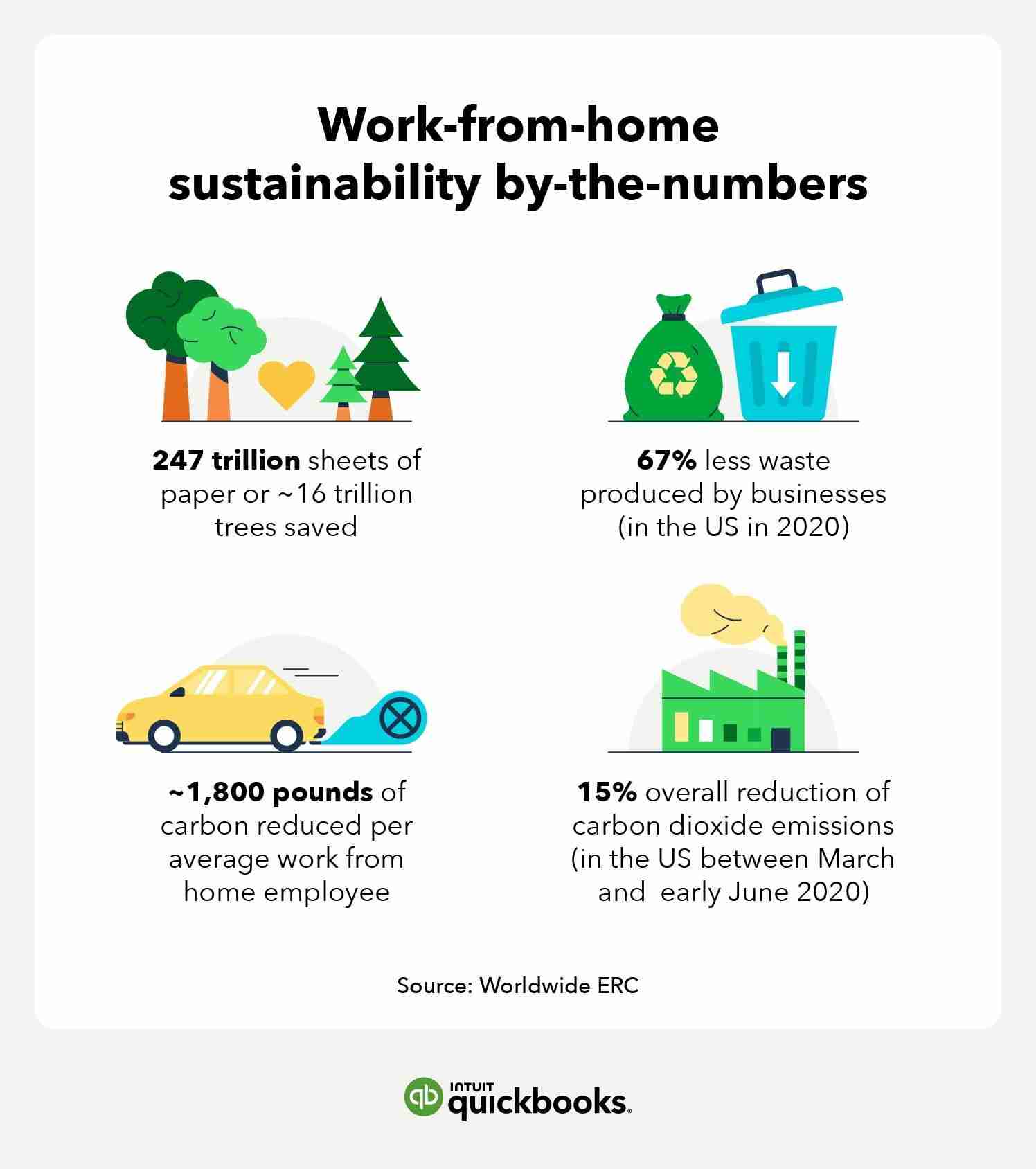
rice mill plant Efficiency: The implementation of sustainable practices in rice milling operations is crucial for the future of the industry. By optimizing processes within the rice mill plant, we can reduce waste, energy consumption, and environmental impact. Through the adoption of innovative technology and best practices, rice millers can increase efficiency and productivity while minimizing their carbon footprint. This shift towards sustainability not only benefits the environment but also improves the bottom line for rice mill operators.
Environmental Impact: Sustainable rice milling practices are essential for reducing the environmental impact of rice production. By utilizing energy-efficient machinery, recycling water, and implementing waste management strategies, rice millers can significantly decrease their carbon emissions and conserve natural resources. Additionally, promoting biodiversity and supporting local communities are vital components of sustainable rice milling operations. With a collective effort towards implementing sustainable practices, we can revolutionize the rice milling industry and pave the way for a greener future.
Heading 4: Maximizing Profitability Through Upgrading Technology in Rice Processing
Are you ready to revolutionize your rice processing business and maximize profitability? Upgrading your technology is the key to staying competitive in the ever-evolving world of rice processing. By investing in a state-of-the-art rice mill plant, you can streamline your operations, increase efficiency, and produce higher quality rice products.
With advanced technology, you can automate processes such as cleaning, husking, milling, and packaging, reducing labor costs and human error. Modern rice mill plants also offer features like real-time monitoring, data analytics, and remote access, allowing you to optimize production and make informed decisions. Take your rice processing business to the next level with the Golden Grain Revolution!
Final Thoughts
In conclusion, the rice mill plant stands as a testament to the innovation and efficiency of modern agricultural technology. The Golden Grain Revolution has transformed the way rice is processed, ensuring higher quality products and increased production capacity. As we continue to explore the possibilities of this revolutionary technology, the future of rice milling looks brighter than ever. So, next time you sit down to enjoy a bowl of perfectly cooked rice, remember the intricate process that brought it to your table. The Golden Grain Revolution is well underway, and the rice mill plant is leading the way towards a more sustainable and prosperous future for the agriculture industry.



