
Rice has long been a staple crop and dietary mainstay for cultures around the world, but few realize the intricate dance of precision and expertise that goes into processing this seemingly simple grain. In this article, we delve into the art of rice processing – a delicate balance of tradition, technology, and skill that transforms raw paddies into the polished white grains we all know and love. Join us on a journey through the fascinating world of rice processing, where every step is a harmonious blend of ancient wisdom and modern innovation.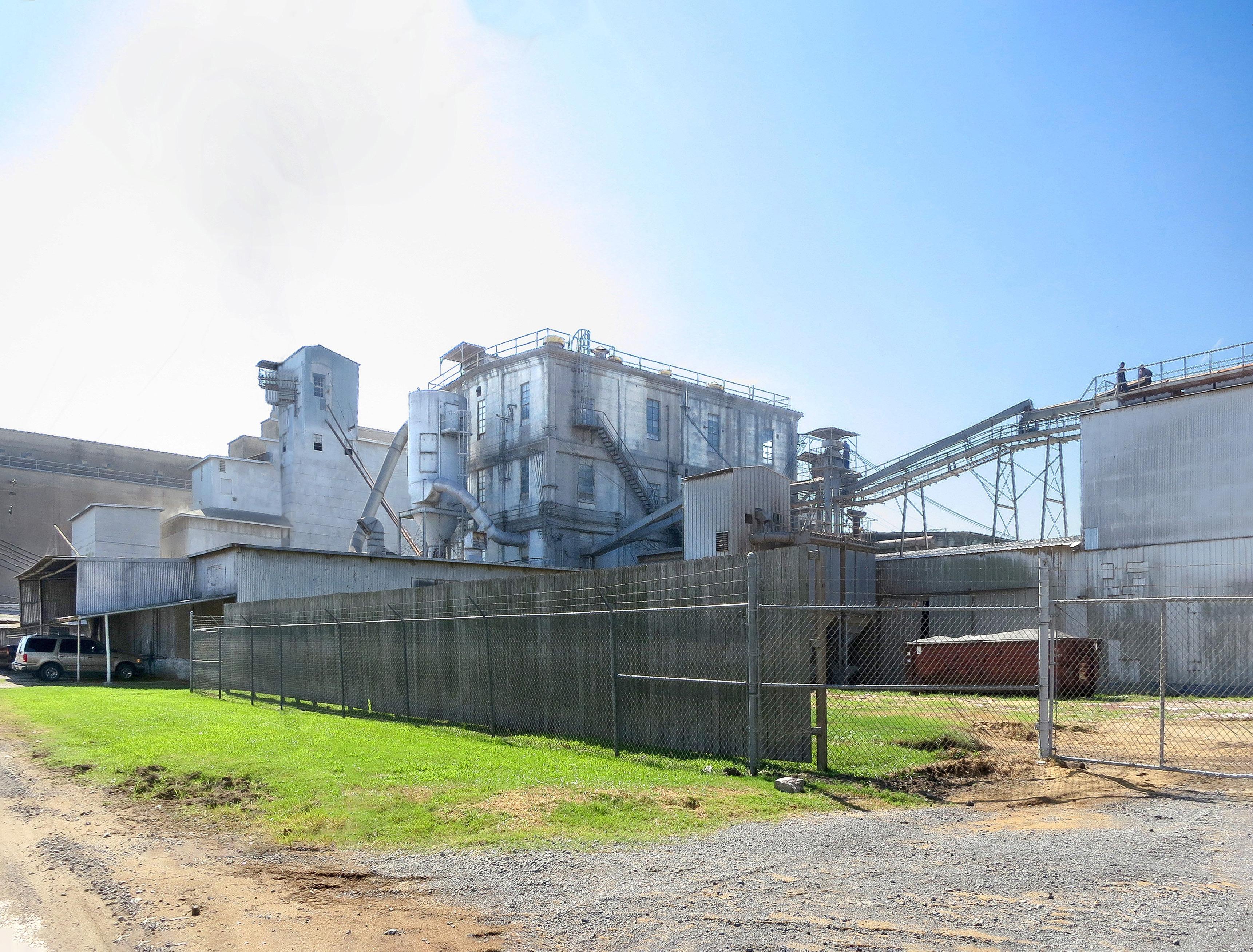
Exploring the Intricate Process of Rice Milling
Rice milling is a complex and intricate process that involves a delicate balance of different stages to produce the perfect grain of rice. From cleaning to polishing, each step plays a crucial role in creating the final product.
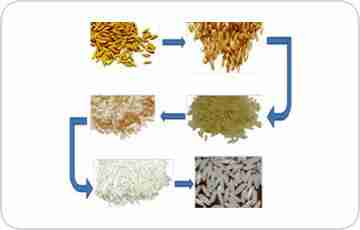
During the milling process, the outer husk, bran layer, and germ are removed to reveal the white rice kernel. This process requires precision and expertise to ensure that the rice maintains its nutritional value and quality. The art of rice processing is a time-honored tradition that combines science and skill to bring a staple food to tables around the world.
Striking the Perfect Balance in Rice Polishing Techniques
Rice polishing is a crucial step in the rice processing journey, as it not only enhances the appearance of the grains but also affects their taste and nutritional value. Finding the perfect balance in rice polishing techniques requires a delicate touch and a deep understanding of the intricacies involved. It is truly an art that combines science, skill, and experience.
When it comes to achieving the ideal level of polishing, rice processors must consider factors such as polishing time, pressure, and the type of polishing equipment being used. Too much polishing can strip away valuable nutrients, while too little can result in an unappealing appearance and texture. Finding that sweet spot where the rice retains its nutritional value while also looking and tasting its best is the ultimate goal.

Preserving Nutrients: Best Practices in Rice Processing
When it comes to rice processing, balancing the need to preserve nutrients while ensuring quality and taste can be a delicate art. One of the best practices in rice processing is to minimize the loss of key nutrients such as vitamins, minerals, and antioxidants. This can be achieved through careful handling, storage, and processing techniques.
Some of the top strategies for preserving nutrients in rice processing include:
- Minimal milling: Opting for less aggressive milling methods to reduce the loss of essential nutrients.
- Proper storage: Storing rice in a cool, dry environment to maintain freshness and nutrient content.
- Steam treatment: Using steam heat treatment to help retain nutrients during processing.
Embracing Innovation: Modern Solutions for Traditional Rice Milling
Rice processing is a time-honored tradition that requires a delicate balance between preserving the quality of the grain and maximizing efficiency. With the advent of modern technology, traditional rice milling practices have been revolutionized to meet the demands of a rapidly growing industry. Innovations such as automated milling machines, advanced drying techniques, and precision sorting equipment have enabled rice producers to streamline their operations and deliver superior quality products to consumers.
By embracing innovation in rice processing, millers can improve productivity, reduce waste, and enhance the overall quality of their products. Implementing modern solutions such as digital monitoring systems, energy-efficient processing equipment, and sustainable packaging options can help businesses stay competitive in a constantly evolving market. With a careful blend of tradition and technology, rice millers can achieve the perfect balance between honoring the heritage of their craft and embracing the advancements of the modern age.
Final Thoughts
In conclusion, the art of rice processing is a delicate dance of precision and tradition. It is a practice that has been perfected over generations, with each step carefully executed to ensure the highest quality of rice. From planting to harvesting to milling, every detail matters in achieving the perfect balance of texture, flavor, and aroma in this humble grain. So the next time you enjoy a bowl of rice, remember the intricate process that brings it to your table, and savor each bite with a newfound appreciation for the craftsmanship behind it.



