
In the heart of rural communities across the world, the ancient art of maize milling has been both a necessity and a skill passed down through generations. From hand-cranked stone mills to modern electric grinders, the process of grinding gold from maize kernels is a labor of love and tradition. Join us as we delve into the intricate world of maize milling and uncover the secrets behind this time-honored craft.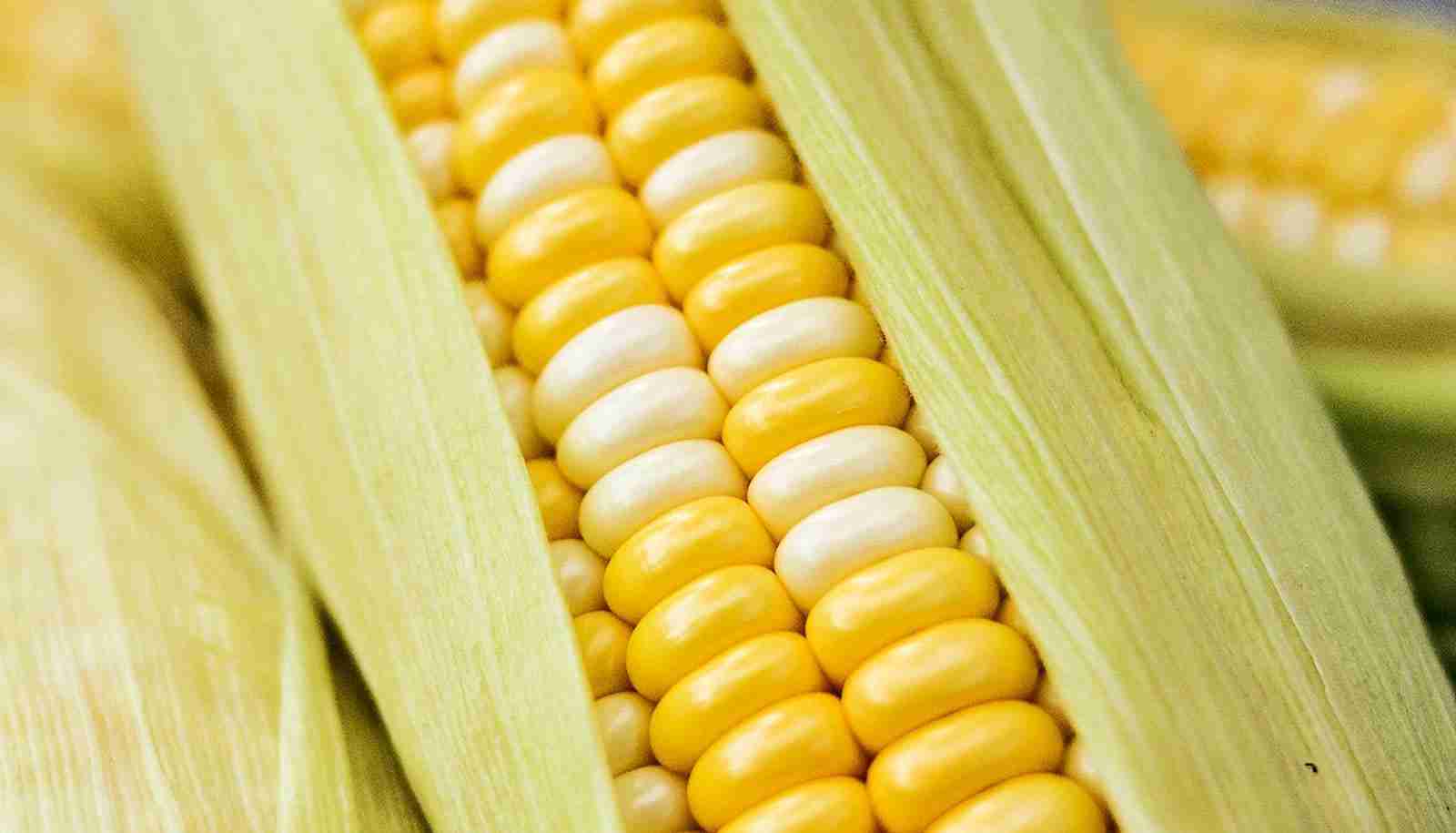
Understanding the Rich History of Maize Milling
Maize milling has been a crucial element in the history of agriculture, serving as a pillar of sustenance for countless civilizations. From the ancient civilizations of Mesoamerica to the bustling markets of present-day Africa, the art of maize milling has been passed down through generations, evolving over time to meet the needs of different cultures and societies. The process of maize milling involves grinding dried corn kernels into a fine powder, which can then be used to make a variety of popular food products such as cornmeal, corn flour, and corn grits.
One of the key components in the maize milling process is the mill itself, which can vary in size and complexity depending on the scale of production. Traditional maize mills, powered by hand or animal labor, have given way to modern industrial mills equipped with advanced machinery and automation. Despite these advancements, the basic principles of maize milling remain the same, with the goal of transforming raw corn into a versatile and nutritious staple food. Through innovation and ingenuity, maize milling continues to be a vital part of agricultural practices around the world, preserving the rich history and tradition of this essential process.

Exploring the Traditional Techniques of Grinding Maize
is like uncovering a hidden treasure trove of culinary history. Maize milling has been an integral part of many cultures for centuries, with each community showcasing their unique approach to the process. From hand-cranked stone mills to water-powered gristmills, the art of grinding maize has evolved into an intricate dance between tradition and innovation.
Witnessing the transformation of whole kernels into fine, powdery flour is a mesmerizing experience that highlights the skill and dedication required in maize milling. The sound of grinding stones meeting, the smell of freshly milled maize, and the sight of golden flour cascading down the chute are all part of the sensory feast that accompanies this age-old practice. **Join us on a journey as we delve into the world of maize milling and celebrate the artistry and precision behind this ancient craft.**
Utilizing Modern Tools and Technology for Efficient Milling
Milling maize has been a tried and true practice for centuries, providing essential food staples for communities around the globe. Utilizing modern tools and technology has revolutionized the way we approach this age-old process, making it more efficient and effective than ever before. With advancements in machinery and equipment, maize milling has become an art form, combining traditional techniques with innovative solutions to grind gold.
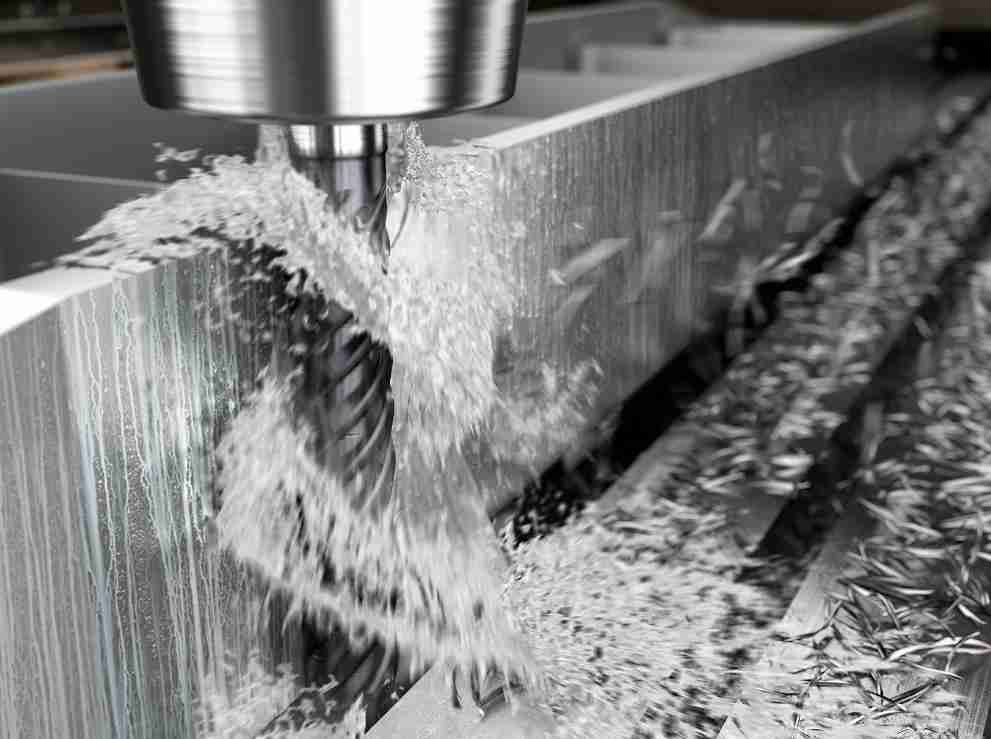
By incorporating modern tools such as CNC milling machines and digital automation systems, millers can increase productivity and precision in their operations. These technologies allow for faster processing times, higher quality output, and reduced waste. Additionally, the use of computer-aided design (CAD) software enables millers to create intricate and customized milling patterns, resulting in finely ground maize that meets the highest standards of quality and consistency.
Tips for Enhancing the Quality of Maize Flour
Milling maize flour is an art that requires precision and attention to detail. To enhance the quality of your maize flour, consider the following tips:
- Use high-quality maize: Start with the best raw material you can find. High-quality maize will result in better flour.
- Ensure proper moisture content: Maize with the right moisture content will produce flour with the ideal texture and consistency.
- Regularly clean and maintain your milling equipment: Keeping your equipment clean and well-maintained will prevent contamination and ensure consistent quality.
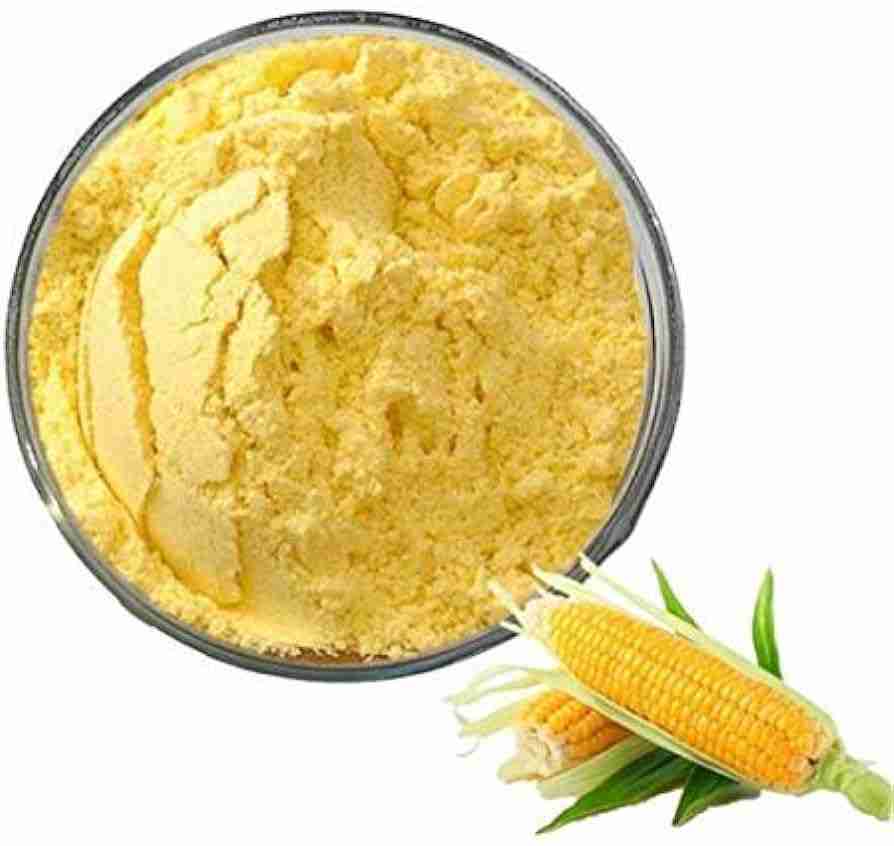
By following these tips and paying attention to the details of the milling process, you can truly create ’grinding gold’ – high-quality maize flour that will elevate your culinary creations to the next level.
Insights and Conclusions
As we conclude our exploration of the intricate process of maize milling, we hope you have gained a deeper appreciation for the craftsmanship and skill involved in transforming corn into a staple food. The grinding of gold, as maize is sometimes referred to, is truly an art that has been passed down through generations. From the traditional methods to the modern machinery, the essence of milling remains the same – to provide nourishment and sustenance to communities around the world. Next time you enjoy a meal made from maize products, take a moment to reflect on the labor of love that went into producing it. And remember, the art of maize milling is not just about grinding corn, but about preserving a legacy of resourcefulness and resilience.



