
Nestled amidst the rolling fields of lush green rice paddies lies a hidden gem – a parboiled rice processing plant that holds the key to unlocking the magic of this staple grain. Join us on an exclusive behind-the-scenes glimpse into the fascinating world of rice production, where science meets tradition to create the perfect grain. Step inside and witness the intricate process of turning raw rice into a culinary masterpiece – it’s a journey you won’t soon forget.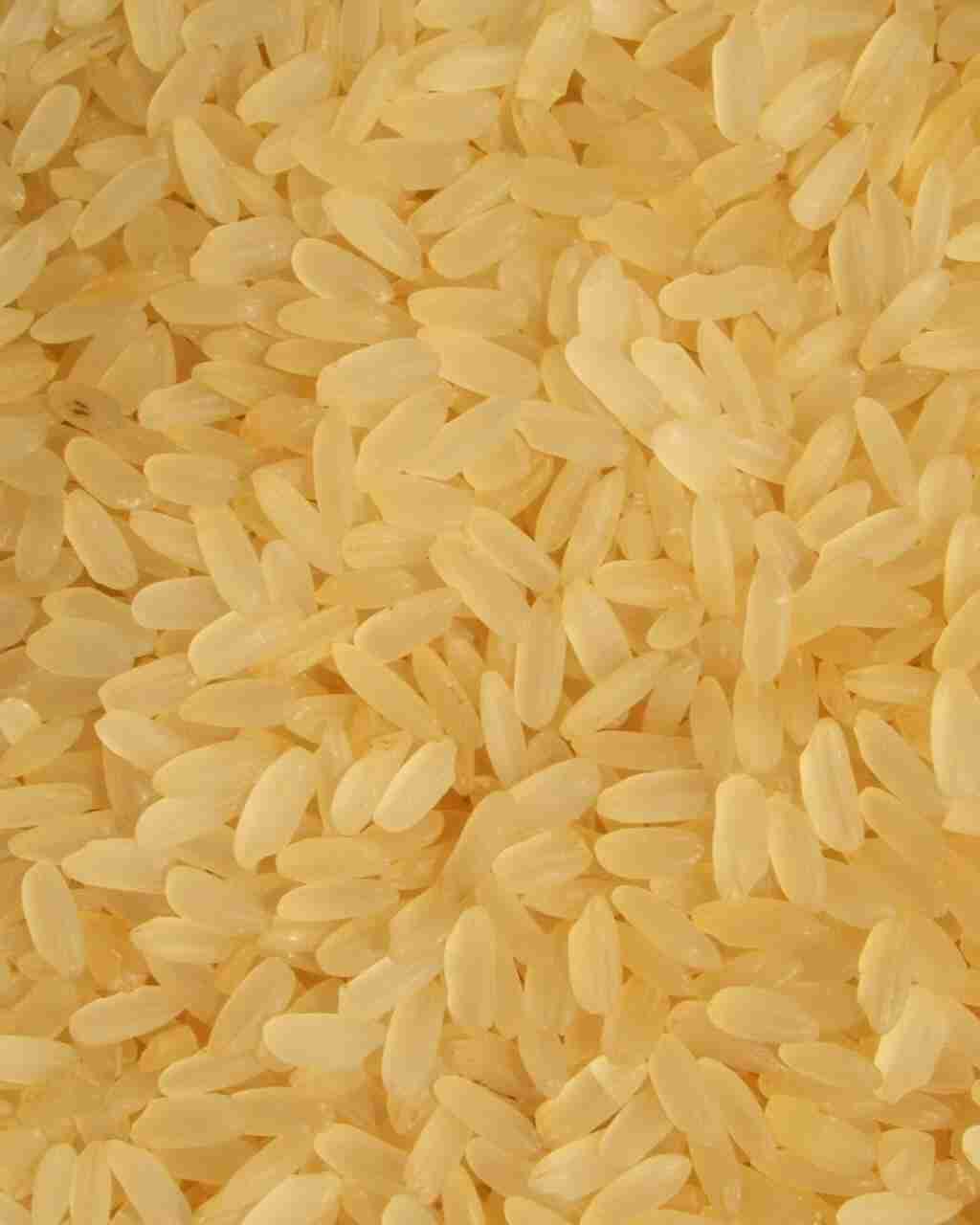
Heading 1: Overview of the Parboiled Rice Processing Process
Inside a parboiled rice processing plant, the journey of raw rice grains begins with careful selection and cleaning. The paddy grains are first cleaned to remove any impurities, dust, or foreign particles that may have come in during harvesting and transportation. Once clean, the grains are soaked in water to allow for the moisture to penetrate the outer layer, making them easier to dehusk.
After soaking, the rice grains are steamed under pressure to partially cook them, a process known as parboiling. This step not only gelatinizes the starches in the rice, making it firmer and less sticky when cooked, but also enriches it with essential nutrients like Vitamin B6. The parboiled rice is then dried and milled to remove the hull and bran layers, resulting in golden grains ready for packaging and distribution. This transformational process ensures that each grain of parboiled rice maintains its shape, aroma, and nutritional value, making it a popular choice for many consumers worldwide.

Heading 2: Quality Control Measures in a Parboiled Rice Processing Plant
At the heart of a parboiled rice processing plant lies a sophisticated system of quality control measures that ensure the production of premium-grade rice. Each step of the process is meticulously monitored and assessed to guarantee that only the highest standards are met. From the initial soaking and steaming of the rice grains to the drying and milling stages, every aspect of the production line is carefully managed to maintain the desired quality.
Key quality control measures in a parboiled rice processing plant include:
- Grain Selection: Only the finest rice grains are selected for processing, ensuring uniformity in size and quality.
- Steaming Process: The steaming process is closely monitored to ensure that each grain is cooked to perfection, resulting in the characteristic golden color and firm texture of parboiled rice.
- Milling Process: State-of-the-art milling equipment is used to remove the bran layers from the rice grains, resulting in a polished and visually appealing final product.

Heading 3: Tips for Maximizing Efficiency and Yield in Rice Processing
In order to maximize efficiency and yield in rice processing, it’s essential to pay attention to several key factors. One important tip is to ensure that the rice is properly cleaned before processing begins. This helps to remove any impurities or debris that may be present, leading to a higher quality final product. Additionally, maintaining the right moisture content throughout the processing stages is crucial for achieving optimal results.
Another tip for maximizing efficiency in rice processing is to invest in modern technology and equipment. Utilizing state-of-the-art machinery can help to streamline the production process and increase output. It’s also important to regularly calibrate and maintain equipment to ensure that it is functioning at its best. By following these tips and implementing best practices in rice processing, producers can enjoy higher efficiency and yields.
Heading 4: Environmental Impact of Parboiled Rice Production and Sustainable Practices in the Industry
Have you ever wondered what goes on inside a parboiled rice processing plant? Let’s take a behind-the-scenes look at the fascinating world of parboiled rice production. One of the key aspects to consider is the environmental impact of this industry and the sustainable practices that are being implemented to minimize its carbon footprint.
Inside a parboiled rice processing plant, you’ll find state-of-the-art machinery and equipment that help transform raw paddy into the delicious parboiled rice we all know and love. The process involves soaking, steaming, drying, and milling the rice to perfection. However, it’s crucial to also focus on sustainable practices such as recycling water, using renewable energy sources, and reducing waste to ensure a more eco-friendly production process. By implementing these practices, the industry can work towards a more sustainable future for both the environment and consumers.
In Retrospect
As we conclude our journey through the enchanting world of parboiled rice processing, we hope this article has shed light on the captivating process behind one of the world’s most beloved grains. From soaking and steaming to drying and milling, the intricate dance of machinery and human expertise truly showcases the magic that goes into every grain of parboiled rice. Next time you enjoy a delicious bowl of rice, take a moment to appreciate the craftsmanship and precision that goes into its creation. Thank you for joining us on this fascinating exploration of a parboiled rice processing plant. Until next time, may your meals be filled with the exquisite flavor and texture of this truly magical staple.



