
Rice milling is not just a process, but an art form that demands precision, skill, and patience. In this article, we explore the intricate world of rice milling and the key components needed to establish a successful and prosperous rice mill plant. From selecting the right equipment to mastering the art of perfecting rice grains, uncover the secrets to creating a flourishing rice milling operation that yields top-quality rice products. Join us on a journey into the heart of the rice milling industry, where tradition meets innovation in the pursuit of excellence.
Heading 1:
The art of rice milling involves more than just the process of removing the husk from the rice grains. It requires skill, precision, and dedication to create a flourishing rice mill plant that produces high-quality rice products. From selecting the right varieties of rice to ensuring proper cleaning and polishing, each step in the milling process plays a crucial role in producing rice that meets the highest standards of quality.
Investing in modern milling equipment and adopting sustainable practices can help streamline the production process and improve efficiency. By implementing advanced technology and techniques, rice mill plant owners can increase their productivity and enhance the quality of their rice products. With a combination of traditional wisdom and innovative solutions, the art of rice milling continues to evolve, paving the way for a brighter future for the rice industry.
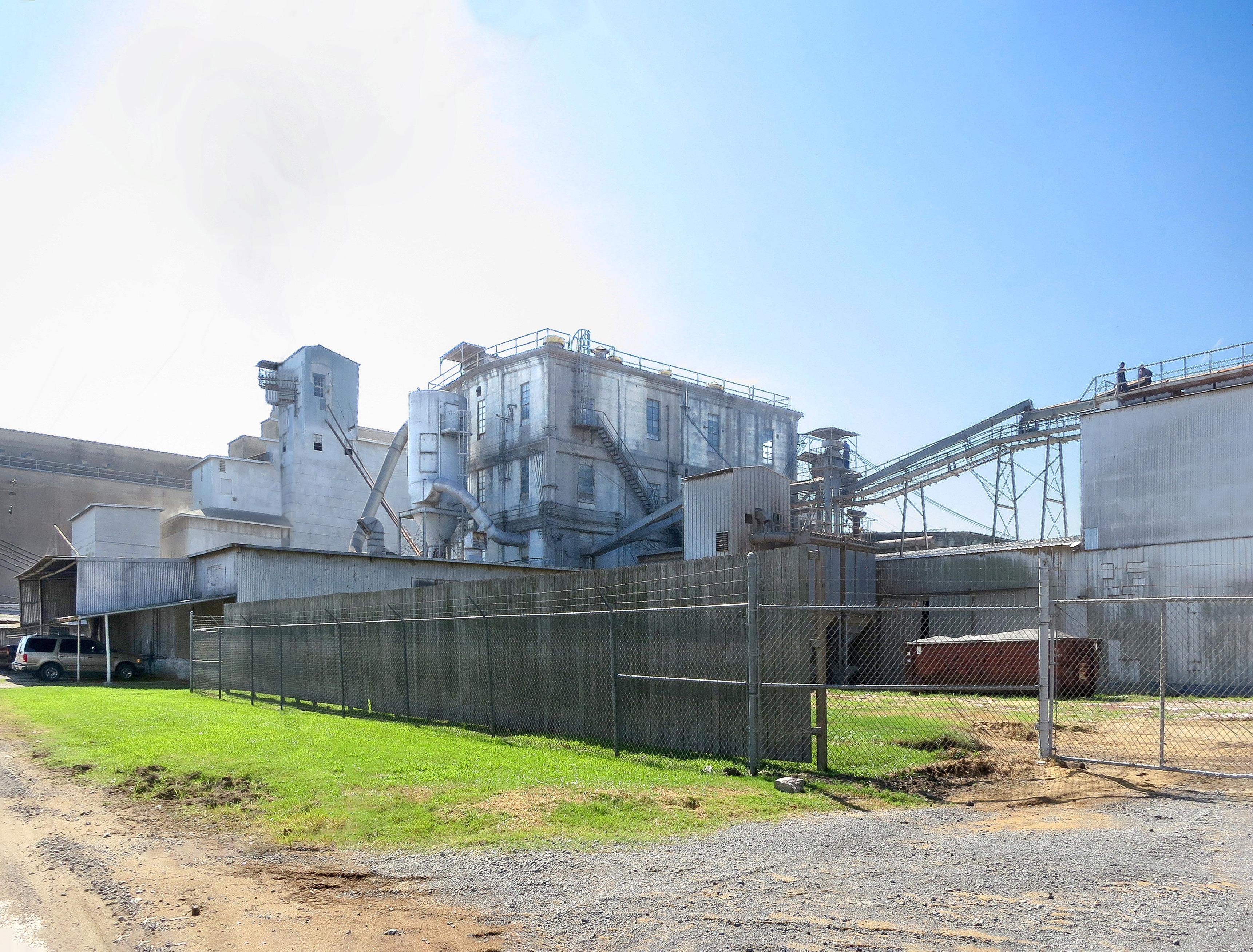
The Importance of Proper Rice Milling Process
The proper rice milling process is a crucial step in ensuring the quality and safety of rice products. By carefully removing the outer layers of the rice grain, the milling process helps to enhance the overall taste, texture, and appearance of the final product. This not only improves the consumer experience but also helps to preserve the nutritional value of the rice.
Benefits of Proper Rice Milling Process:
- Improves the overall quality of the rice
- Enhances the taste and texture of the final product
- Helps to preserve the nutritional value of the rice
Challenges in Rice Milling Process:
- Ensuring the efficiency of the milling equipment
- Maintaining the consistency of the milling process
- Managing waste and by-products from the milling process
| Rice Quality | Improved |
| Texture | Enhanced |
| Nutritional Value | Preserved |

Heading 2:
The Process of Rice Milling:
Rice milling is a meticulous process that requires skill and precision. The first step in rice milling is cleaning the rice to remove impurities such as dirt, stones, and husks. Once cleaned, the rice is then dehusked to remove the outer layer, revealing the edible grain. Next, the rice is polished to remove the bran layer, resulting in white rice. The final step involves grading and sorting the rice based on size, shape, and quality.
Benefits of a Flourishing rice mill plant:
Having a successful rice mill plant can bring numerous benefits to farmers and consumers alike. A flourishing plant ensures a consistent supply of high-quality rice, which can lead to increased profitability for farmers. Additionally, consumers can enjoy rice that is free from impurities and of superior quality. Furthermore, a well-managed rice mill plant can create job opportunities in the local community, contributing to economic growth and sustainability.
Key Factors Contributing to the Success of a rice mill plant
Efficient Machinery: Investing in high-quality machinery is vital for the success of a rice mill plant. Modern equipment can help increase productivity, reduce processing time, and improve the overall quality of the rice produced. This includes machines for cleaning, dehusking, polishing, and packaging the rice grains.
Skilled Workforce: Having a knowledgeable and skilled workforce is crucial for the smooth operation of a rice mill plant. Workers should be trained in operating the machinery effectively, handling the rice grains with care, and ensuring that each batch of rice meets the required standards. Proper training and supervision can help prevent errors and ensure consistent quality in the final product.
Heading 3:
Rice milling is an intricate process that requires precision and skill to produce high-quality rice products. From cleaning and husking the rice grains to polishing and packaging the final product, each step plays a crucial role in creating a flourishing rice mill plant. Utilizing state-of-the-art machinery and techniques, rice millers are able to efficiently process rice while maintaining its nutritional value and taste.
Investing in a modern rice mill plant can increase productivity and profitability for rice mill owners. By utilizing automation and advanced technology, rice millers can streamline their operations and produce a more consistent and superior product. Additionally, implementing sustainable practices in rice milling can help reduce waste and environmental impact, making the rice production process more eco-friendly. With the right equipment and expertise, rice millers can not only meet the demands of the market but also exceed expectations in quality and efficiency.
Innovative Technologies and Techniques for Improving Rice Milling Efficiency
Rice milling is an essential process in the agricultural industry, and with the advancement of technology, there are various innovative techniques to improve the efficiency of rice mills. One such technique is the use of advanced rice milling machines that are equipped with state-of-the-art technology to ensure a higher level of precision and speed in the milling process. These machines are capable of producing higher quality rice with minimal wastage, reducing the production costs and increasing overall efficiency.
Another innovative technology that is revolutionizing rice milling is the implementation of automation systems in the milling plants. These systems help in streamlining the entire milling process, from cleaning and dehusking the rice grains to polishing and packaging the final product. By automating these tasks, rice mill plants can significantly increase their productivity and reduce the need for manual labor, ultimately leading to higher profits and a more sustainable operation.
Heading 4:
Rice milling is an ancient craft that has evolved over centuries to meet the demands of modern consumers. With state-of-the-art technology and innovative techniques, rice mill plants are able to efficiently process rice from field to table, ensuring high quality and nutritional value. The art of rice milling involves a delicate balance of tradition and innovation, with each step in the process crucial to producing the perfect grain of rice.
From cleaning and dehusking to polishing and packaging, every stage of rice milling requires precision and expertise. With the right equipment and skilled operators, a rice mill plant can turn raw rice into a valuable commodity that feeds millions of people around the world. By focusing on efficiency, sustainability, and quality control, rice millers can create a flourishing business that sustains local communities and contributes to the global food supply.
Best Practices for Maintaining Quality Standards in Rice Milling Operations
Efficient Processing Equipment: Investing in high-quality machinery and equipment is essential for maintaining quality standards in rice milling operations. From husking to polishing, each stage in the milling process requires the right tools to ensure that the rice grains are processed efficiently and effectively.
Regular Maintenance and Cleaning: To prevent contamination and ensure the longevity of your equipment, it is crucial to establish a routine maintenance schedule. Cleaning the machinery regularly, checking for wear and tear, and promptly addressing any issues that arise will help to ensure that your rice mill plant operates at its optimal level.
Closing Remarks
In conclusion, the art of rice milling is a deeply intricate process that requires skill, knowledge, and dedication to achieve success. By understanding the various techniques and equipment involved, one can create a flourishing rice mill plant that not only produces high-quality rice products but also contributes to the local economy and community. As we continue to appreciate the importance of rice in our daily lives, let us also give recognition to the artistry and craftsmanship behind the scenes. Let us celebrate the unsung heroes of the rice milling industry and the beauty of turning humble grains into a staple food loved by many.



