
Rice milling is not just a process, but an art form that requires precision, finesse, and expertise to achieve the desired quality of the final product. In this article, we delve into the intricacies of the art of rice milling, focusing on how optimizing the milling unit can significantly enhance the quality of the rice. Stay tuned as we uncover the secrets to transforming ordinary grains of rice into a premium product that is sure to impress even the most discerning of palates.
Understanding the Milling Process: Key Factors and Variables
When it comes to rice milling, there are several key factors and variables that play a crucial role in optimizing the milling unit for better quality. One of the main factors to consider is the moisture content of the rice grains. Proper moisture levels ensure that the grains mill evenly and result in a high-quality end product. Additionally, the speed at which the milling process is carried out can impact the final quality of the rice. It’s essential to find the right balance between efficiency and quality to achieve the best results.
- Grain Size: The size of the rice grain plays a significant role in the milling process. Larger grains may require adjustments in the milling unit to ensure even milling.
- Abrasive Material: The type of material used in the milling unit can also affect the quality of the rice. Using high-quality abrasive materials can result in a finer end product.
| Type | Optimal Moisture Content |
|---|---|
| Long Grain Rice | 13-14% |
| Short Grain Rice | 14-15% |
By understanding these key factors and variables, rice millers can optimize their milling units to produce better quality rice. Experimenting with different settings and materials can help fine-tune the process and achieve the desired results. With attention to detail and a focus on quality, the art of rice milling can be mastered to produce top-notch rice products.
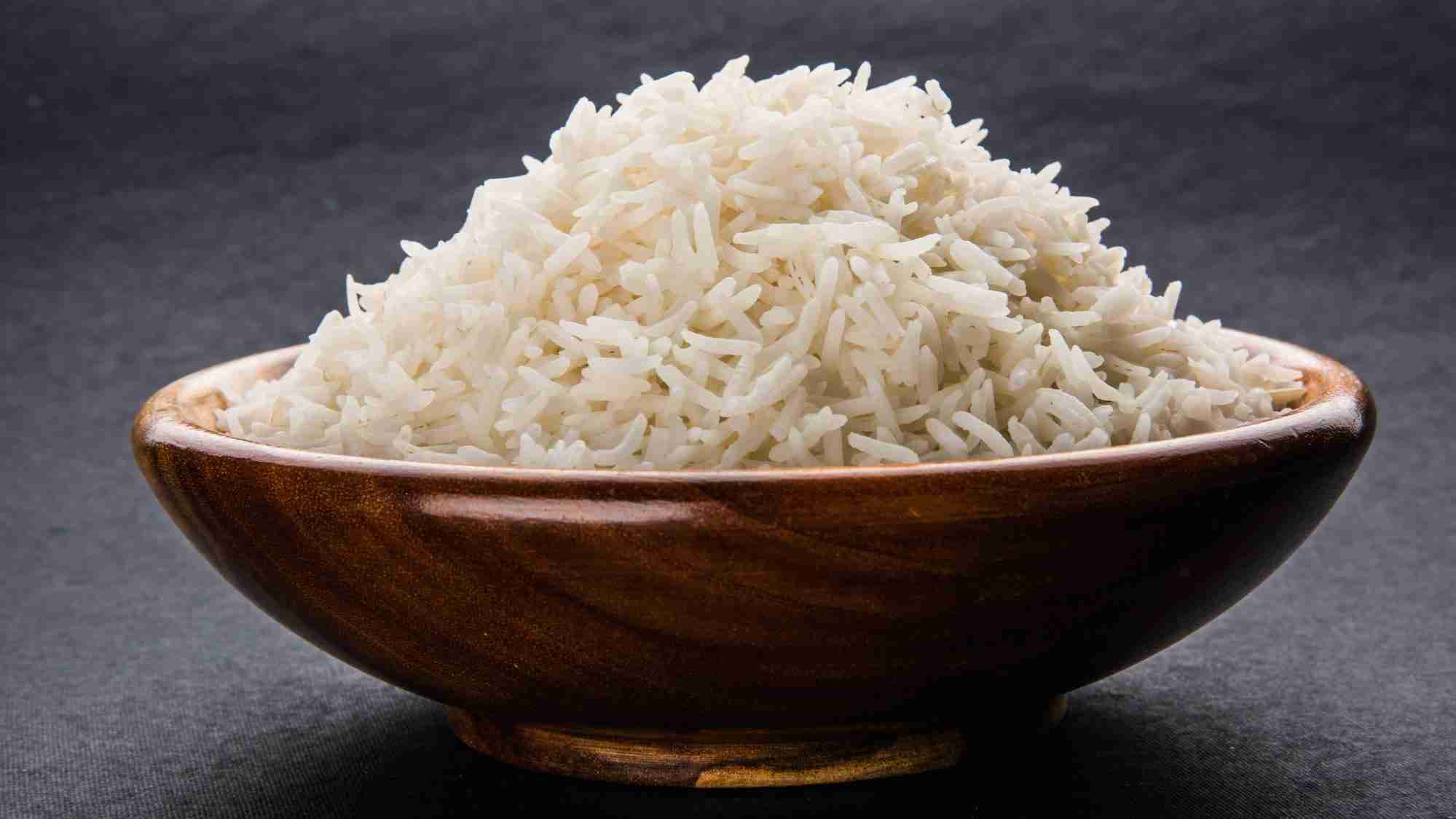
Enhancing Rice Quality through Proper Milling Techniques
When it comes to enhancing the quality of rice through proper milling techniques, the key lies in optimizing the milling unit for better results. By ensuring that the rice grains are processed efficiently and effectively, you can significantly improve the overall quality of the final product. One important aspect to consider is the adjustment of the milling settings to achieve the desired level of polishing and milling efficiency. In addition, regular maintenance of the milling unit is essential to prevent any issues that may affect the quality of the rice.
Another crucial factor in enhancing rice quality is the use of high-quality milling equipment that is capable of producing consistently good results. Investing in modern milling technology can help you achieve better uniformity in grain size, increase milling yield, and reduce broken grains. By incorporating these key strategies into your milling process, you can take your rice quality to the next level and meet the demands of discerning consumers looking for premium rice products.

Optimizing Milling Unit Settings for Improved Efficiency and Yield
The Art of Rice Milling
Understanding how to optimize your milling unit settings is crucial in achieving better quality rice output. By fine-tuning the parameters of your milling machine, you can significantly improve efficiency and yield, ultimately leading to a higher quality end product. Here are some key tips to help you master the art of rice milling:
- Adjust the milling speed: Depending on the rice variety and desired outcome, adjusting the milling speed can have a significant impact on the quality of the rice.
- Monitor the moisture content: Rice with the optimal moisture content mills more efficiently and results in a higher yield. Regularly check and adjust the moisture levels to ensure consistency in the milling process.
- Calibrate the milling settings: Fine-tune the milling settings such as pressure, clearance, and depth to achieve the desired level of milling without compromising the quality of the rice grains.
| Parameter | Recommended Setting |
|---|---|
| Pressure | Medium |
| Clearance | 0.5mm |
| Depth | 10mm |
Innovative Technologies and Tools for Modern Rice Milling Operations
When it comes to modern rice milling operations, utilizing innovative technologies and tools is essential for optimizing the milling unit and achieving better quality rice. One such technology that has revolutionized the rice milling industry is the use of automated milling machines. These machines are equipped with advanced sensors and software that allow for precise control over the milling process, resulting in consistent quality and higher yields.
Another key tool for modern rice milling operations is the use of color sorters. These machines use high-speed cameras and sophisticated algorithms to detect and remove impurities, discolored grains, and foreign materials from the rice stream. By incorporating color sorters into the milling unit, rice millers can ensure that only the highest quality grains make it through the processing line, ultimately leading to better quality rice for consumers. Overall, by embracing these innovative technologies and tools, rice millers can elevate their milling operations to new heights of efficiency and quality.
To Wrap It Up
In conclusion, mastering the art of rice milling is essential for achieving optimal quality and maximizing the value of your product. By understanding the intricacies of the milling unit and implementing efficient techniques, you can enhance the overall quality, taste, and appearance of your rice. Remember, every grain matters in the pursuit of perfection. So, take the time to hone your skills and continuously refine your milling process to produce the best possible results. Happy milling!



