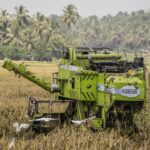
In the heart of bustling agricultural landscapes, where fields glisten with the promise of harvest, the evolution of rice processing technology stands as a testament to human ingenuity. Combined rice mills have emerged as vital tools in this journey, seamlessly blending customary practices with modern efficiency. But what lies behind the gentle hum of machinery and the stream of polished grains? understanding the functionality and benefits of these mills invites us to explore their integral role in contemporary agriculture. From enhancing productivity to minimizing waste, combined rice mills not only reshape the processing of one of the world’s staple foods but also hold the potential to redefine agricultural sustainability.In this article, we delve into the intricate workings of these mills, highlighting their significance in ensuring food security and fostering economic growth in farming communities. Join us as we uncover the layers of technology and tradition that make combined rice mills a cornerstone of modern agriculture.
Exploring the Mechanisms of Combined Rice Mills for Efficient Grain Processing
understanding the mechanisms of combined rice mills is crucial for maximizing efficiency in grain processing. When evaluating such mills, consider these specific components and their functionalities:
- Multi-Functional Units: Ensure that the mill combines husking, whitening, and polishing in one unit. for instance, mills like the Satake Combined Rice Mill integrate a husker and a whitening machine that optimize output while reducing energy consumption.
- Adjustable Settings: Check if the machine allows you to adjust settings for various rice varieties, which can impact quality.Mills that offer multiple settings for moisture content and grain type often yield better results.
common issues with combined rice mills include inadequate maintenance and operational errors. always conduct regular maintenance checks, focusing on wear parts like the rubber rolls used in husking units, which can degrade quickly if not monitored. Creating a maintenance schedule can help prevent downtime. Additionally, ensure that operators are well-trained to calibrate machinery properly. Here’s a simple checklist for decision-making:
| Criteria | Importance | Recommendation |
|---|---|---|
| Energy Efficiency | High | Look for models with energy-saving features. |
| Capacity | Medium | Match capacity with your production needs to avoid bottlenecks. |
| Built-in maintenance Alerts | High | opt for mills that notify you when maintenance is due. |
By focusing on these aspects, you can make informed choices that enhance both productivity and the quality of processed rice.
The Advantages of Integrated Milling Technology in Enhancing Crop Yield
Integrated milling technology has revolutionized the agricultural landscape, particularly in enhancing crop yield for rice producers.Adopting this technology allows farmers to optimize processing efficiency and minimize losses during the milling process. to leverage these advantages, consider the following practical steps:
- Invest in Modern Equipment: Upgrade to combined rice mills that integrate parboiling, drying, and milling. These all-in-one units can substantially reduce processing time and labor costs while improving yield. check for models that feature energy-efficient operations and automated controls.
- Regular Maintenance Checks: Schedule routine inspections to maintain machine efficiency. Neglecting maintenance often leads to subpar processing results and decreased crop yield. Address worn-out parts promptly to avoid potential breakdowns.
Furthermore, it’s essential to understand typical pitfalls in rice milling. Many farmers overlook the impact of moisture content in harvested grains—this can lead to poor milling quality and decreased yield. Conduct regular assessments of grain moisture levels before milling, utilizing moisture meters for accuracy.Additionally, consider implementing a pre-milling mechanism to remove impurities, which enhances the quality of the final product. The table below summarizes factors for smart decisions in integrated milling:
| Considerations | Best Practices |
|---|---|
| Moisture Content | Maintain between 14% – 18% |
| Equipment maintenance | Monthly inspections and timely replacement of worn parts |
| Quality Control | Pre-milling impurity removal and testing |
By adopting these practical measures, farmers can enhance their crop yields, improve efficiency, and ultimately increase profitability in their rice production operations.
Navigating the Economic Impact of Combined Rice Mills on Local Agriculture
requires careful evaluation of both operational efficiency and market dynamics. Farmers and agricultural stakeholders should actively analyze the following key factors:
- Cost Analysis: Assess the total operational costs of using a combined rice mill, including processing fees and transportation costs. Compare these with traditional processing methods to ensure profitability.
- Investment in Technology: Consider upgrading to more efficient milling technology. For instance, mills featuring modern, automated processes generally yield higher quality rice and less waste.
- Market Access: Identify local and regional markets where milled rice can be sold effectively. Networking with local distributors can provide insights into demand and pricing trends.
Furthermore, it is vital to be aware of common pitfalls that can undermine economic success. Frequently, mills that do not adapt to fluctuating market demands fail to maximize their output. Implement effective quality control measures to maintain product standards, as low-quality output can drastically affect sales. Consider the following strategies for improved outcomes:
| Strategy | Benefit |
|---|---|
| Regular Maintenance | Reduces downtime and increases efficiency |
| Partnerships | Enhances market reach and reduces risk |
| Community Engagement | Fosters loyalty and encourages local sourcing |
By focusing on these actionable items and staying proactive in your approach, stakeholders can leverage combined rice mills to foster a robust agricultural economy while gaining a competitive edge in both local and global markets.
Future Innovations and Sustainable Practices in Modern Rice Milling Solutions
To harness the full potential of combined rice mills, stakeholders should proactively seek innovations and sustainable practices that align with modern agricultural needs.here are key areas to explore:
- Energy Efficiency: Look for mills equipped with energy-saving technologies, such as solar panels or waste heat recovery systems. For example, implementing biomass gasifiers can significantly reduce dependence on fossil fuels.
- Water Management: Consider mills that incorporate closed-loop water systems. such systems minimize water usage and ensure sustainability, especially in water-scarce regions. Check if the mill includes water recycling features that can lower operating costs.
- Automation and IoT Integration: Opt for machinery with smart sensors that collect and analyze production data. This technology streamlines operations and decreases waste. Companies like Satake are already integrating IoT into their milling solutions, allowing farmers to monitor conditions remotely.
Making informed decisions entails not only examining the technology but also considering the specific needs of your operation. Here are practical steps to take:
- conduct a Needs Assessment: evaluate your milling capacity requirements, quality standards, and budget constraints. As an example, small-scale farmers might benefit from modular mills that allow for gradual capacity upgrades.
- Check Maintenance and Durability: Review the warranty and support services offered by manufacturers. A mill frequently enough has hidden maintenance costs that can derail budgets. Brands with a strong reputation for durability, like Buhler, frequently save owners money in the long run.
- Explore Financing Options: Look for incentives or subsidies available for sustainable practices from local governments or NGOs. This financial support can ease the transition to more advanced milling technologies.
to Wrap It Up
combined rice mills stand at the forefront of modern agricultural innovation, serving as a testament to the evolution of rice processing techniques. Their unique functionality merges multiple processes into a streamlined experience, enhancing efficiency while safeguarding the quality of the grain. The benefits of these mills extend far beyond mere convenience; they empower farmers, promote sustainability, and contribute to the economic viability of rice production.
As the agricultural landscape continues to evolve, the role of combined rice mills will undoubtedly expand, shaping not only the future of rice milling but also the communities that depend on this staple crop. By embracing these sophisticated technologies, we pave the way for a more resilient agricultural sector, capable of meeting the challenges and demands of an ever-changing world.
as we reflect on the importance of such innovations, it becomes clear that understanding the machinery behind our food systems is vital. With combined rice mills leading the charge, we are not just processing rice; we are cultivating a more sustainable future for generations to come.