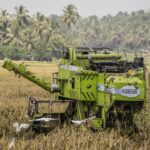
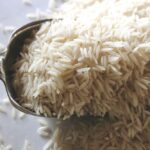
In the heart of the world’s agricultural landscapes, where golden fields sway gently under the sun, a quiet revolution is unfolding—one that transforms not only the grain we consume but also the lives of those who cultivate it.This is the story of jet rice polishers: unassuming machines that are redefining the grain change process. from the rough, unpolished rice harvested from the fields, these innovative devices work their magic, refining it into the lustrous grains gracing our tables. But beyond their mechanical prowess lies a deeper narrative—one of empowerment, sustainability, and economic upliftment. As communities adopt these technologies, they unlock new possibilities for their livelihoods, breathing life into rural economies and fostering a sense of pride in traditional practices. This article delves into the journey of jet rice polishers, exploring their pivotal role in the nexus of grain quality and community well-being, as we witness how the humble act of polishing rice can lead to profound changes in lives and cultures.
Navigating the Sand: The Evolution of Jet Rice Polishers and Their Craft
The journey of rice polishing has witnessed significant evolution, much like the grains themselves transitioning from rough to refined. Early on, the process was labor-intensive and frequently enough required the communal effort of entire families. Traditional methods relied on rudimentary tools,where grains were pounded with stones or hand-cranked devices. This painstaking approach not only slowed down production but also led to inconsistencies in quality. Take for example, Kiran, a rice farmer from a small village in andhra Pradesh, who spent hours each day hand-polishing his harvest with a wooden mortar and pestle. despite his dedication, the results were often unsatisfactory—some grains ended up too polished, losing essential nutrients, while others remained dull and unappealing.The turning point came when Kiran witnessed a demonstration of a jet rice polisher, a machine that could not only streamline the process but also enhance the quality of his produce. The decision to invest in this technology marked a significant shift in his approach to farming.
As Kiran integrated the jet rice polisher into his operations, the transformation was remarkable. Within weeks, he realized that the machine controlled the polishing process more precisely, reducing waste and improving the appearance of the rice. He could now produce rice that appealed to the market, enhancing both his income and his family’s livelihood. In contrast to his previous expectations of simply saving time, kiran discovered that the true value of the polisher lay in its ability to elevate his product’s marketability. Many in his community observed this evolution and faced a decision point of their own: continue with older methods or adapt to this innovative approach. The benefits became clear as Kiran shared his successes, and gradually, others began to follow suit. Today, the evolution of jet rice polishers not only represents technological advancement but also speaks to the resilience of farmers like Kiran, whose choices shape the very foundations of their communities.
From Harvest to Home: Tales of Transformation in the Grain Supply Chain
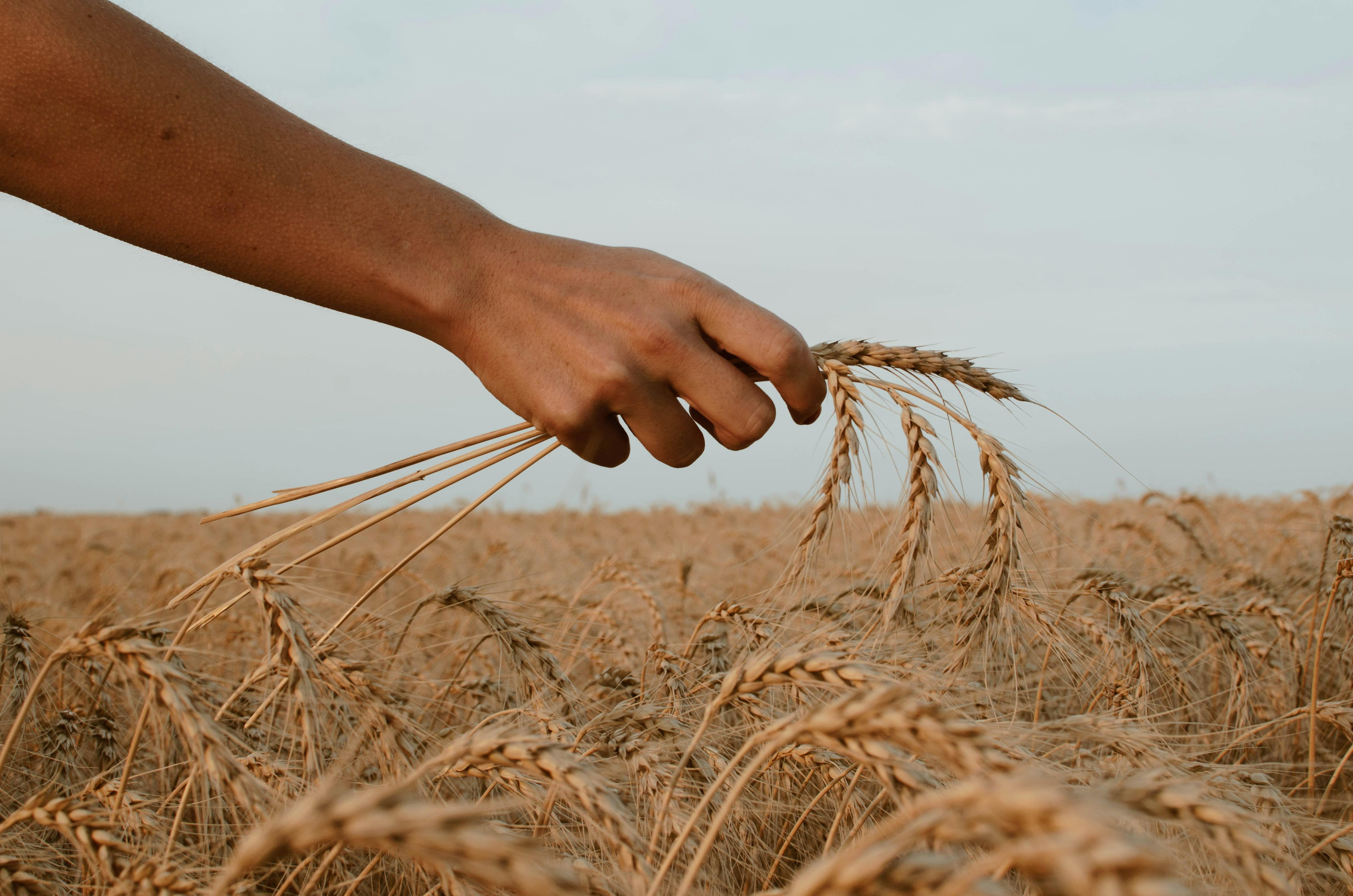
As grains travel from the fields to our tables, each stage of the supply chain carries unique challenges and opportunities, shaping not only the product but also the lives of many individuals involved. Consider the journey of a small farmer in the outskirts of Punjab, India, who harvested his first crop of rice with high hopes for financial stability. After weeks under the sun, his expectations were high, but he quickly realized that the grain’s quality was paramount. This realization led him to invest in a local field-based grain polishing service. The difference between his unrefined rice and polished rice was stark; the polished grains not only drew a premium price at market but also positioned his produce as more desirable among consumers who prioritized quality.
This transformation transcends mere economics; it fosters a sense of community and cooperation. Farmers band together, sharing knowledge and resources, often employing locally sourced jet rice polishers to process their crops. This choice reflects a pivotal moment of decision: investing in quality not only reaps financial returns but enhances their market presence as a group. A small cooperative in west Bengal illustrates this perfectly. After pooling their resources to purchase a jet rice polisher, they managed to reduce waste considerably, turning what was once byproduct into a valuable animal feed. As they compared their previous output with their results after investing in the polishing technology, the contrast was compelling. While their expectations might have initially been modest, the impact—both in terms of income and community resilience—was transformative. Lessons learned in these journeys emphasize the need for collaboration, innovation, and a commitment to quality as key drivers in the grain supply chain.
The Ripple Effect: How Jet Rice Polishers Reshape Communities and Futures
In rural communities across Asia, the introduction of jet rice polishers has sparked a profound transformation that extends far beyond the immediate benefits of polishing grains. Take, as an example, the village of Sangam in India. Here, the local economy has traditionally relied on agriculture, but with the cultivation often marred by inconsistent processing methods, the quality of their rice impeded market access.When a few farmers decided to invest in a jet rice polisher,they faced skepticism. Would this machine deliver the shiny, market-ready rice they dreamed of, or would it be just another costly venture? The first few batches that emerged from the polisher dispelled doubts, exhibiting not only a beautiful luster but also enhanced taste and shelf life. within a single season, their sales tripled, transforming their modest incomes into surpluses that funded education for their children and improved healthcare in the community.
The ripple effect of this innovation stretched beyond financial gains. As more villagers witnessed the success of jet rice polishers,the trend caught on,fostering a spirit of collaboration rather than competition.Farmers began to pool resources to purchase more machines, while sharing best practices for cultivation and processing. Here are a few key outcomes observed in Sangam:
- Increased Income: Average household earnings rose by 40%, which allowed for investments in other local businesses.
- Community Projects: With newfound wealth, the community funded a school and established a health clinic, ensuring proper care for families.
- Empowerment of Women: A significant number of women took on roles within the processing units,leading to greater participation in local decision-making.
Despite initial apprehensions, the journey from rough to refined not only enhanced the grain but also redefined the community’s future, showcasing the power of technology to galvanize local economies and strengthen social bonds. In contrast to their previous expectations of modern machinery as a threat to traditional practices, the residents of sangam discovered that such innovations could serve as a linchpin for collective advancement and enriched futures.
Craftsmanship Meets Innovation: Overcoming Challenges in Rice Polishing Techniques
The world of rice polishing is a delicate balance between tradition and progress. Many rice mill owners, like Arjun from a small village in India, initially held onto conventional polishing techniques, fearing that mechanical methods would compromise the grain’s quality. However, the rising demand for high-quality rice made them rethink their strategies. After experimenting with Jet Rice Polishers, Arjun discovered that these innovative machines preserved the rice’s nutritional value while enhancing its appearance.A critical turning point came when he conducted a direct comparison between his old milling process and the new Jet Rice Polishers. the enhanced yield and improved market prices from the polished rice led him to make the decisive switch, which proved pivotal for his business and the local economy.
Yet,this journey hasn’t been without its hurdles. Many millers initially faced challenges adapting to the technology, leading to misconceptions about machinery versus craftsmanship. The experience of Fatima, who owns a milling unit, illustrates this clash.Initially skeptical, she invested in technology only to find herself grappling with maintenance issues and a steep learning curve. However, through workshops offered by equipment manufacturers, she learned how to effectively operate and care for her polishers. As she gradually adopted these practices, not only did her product quality improve, but she also became a mentor in her community, showing others how to embrace innovation without losing the essence of their trade. This transition symbolizes a larger trend,where reliance on technology can coexist with artisanal values,creating a win-win scenario for both producers and consumers.
Closing Remarks
As we draw the curtain on our exploration of jet rice polishers and their transformative impact, it becomes clear that the journey from rough to refined extends far beyond the grains themselves. These remarkable machines epitomize the meeting of innovation and tradition, turning humble paddy into the polished rice that graces tables worldwide. Yet, their meaning reaches deeper, touching the very livelihoods of countless individuals who rely on their efficiency and precision.
The evolution of jet rice polishers stands as a testament to human ingenuity in the pursuit of perfection—an endeavor that mirrors our own quests for advancement in various aspects of life. As farmers embrace these advancements,they embark on a shared journey of progress,shaping not only the quality of their products but also the economic fabric of their communities.
In this interconnected narrative, we witness the realities of transformation, where every grain polished signifies the hopes and dreams of those who toil in the fields. As we celebrate the refinement of rice, let us also acknowledge the stories woven into the fabric of this journey—stories of resilience, labor, and aspiration. Moving forward, may we continue to appreciate the nuances of this industry and the profound impact it has on lives around the globe, reminding us that even the simplest ingredients can lead to extraordinary outcomes.