In the heart of Asia, were verdant fields stretch towards the horizon, rice has long been more than just a staple food; it is a symbol of culture, sustenance, and livelihood for billions of people. However,as the pressing challenges of climate change and population growth loom larger,the traditional methods of rice processing are undergoing a profound conversion. Enter a wave of revolutionary techniques that are not merely an evolution in the kitchen but a redefinition of food sustainability and global markets. “Beyond the Grains” explores these innovative processing methods that promise to enhance nutritional value, reduce waste, and lower carbon footprints, all while weaving a new narrative in the global economy. Join us as we delve into the intricate interplay of technology,tradition,and sustainability,uncovering how these advancements in rice processing are setting the stage for a more resilient future for both our planet and its people.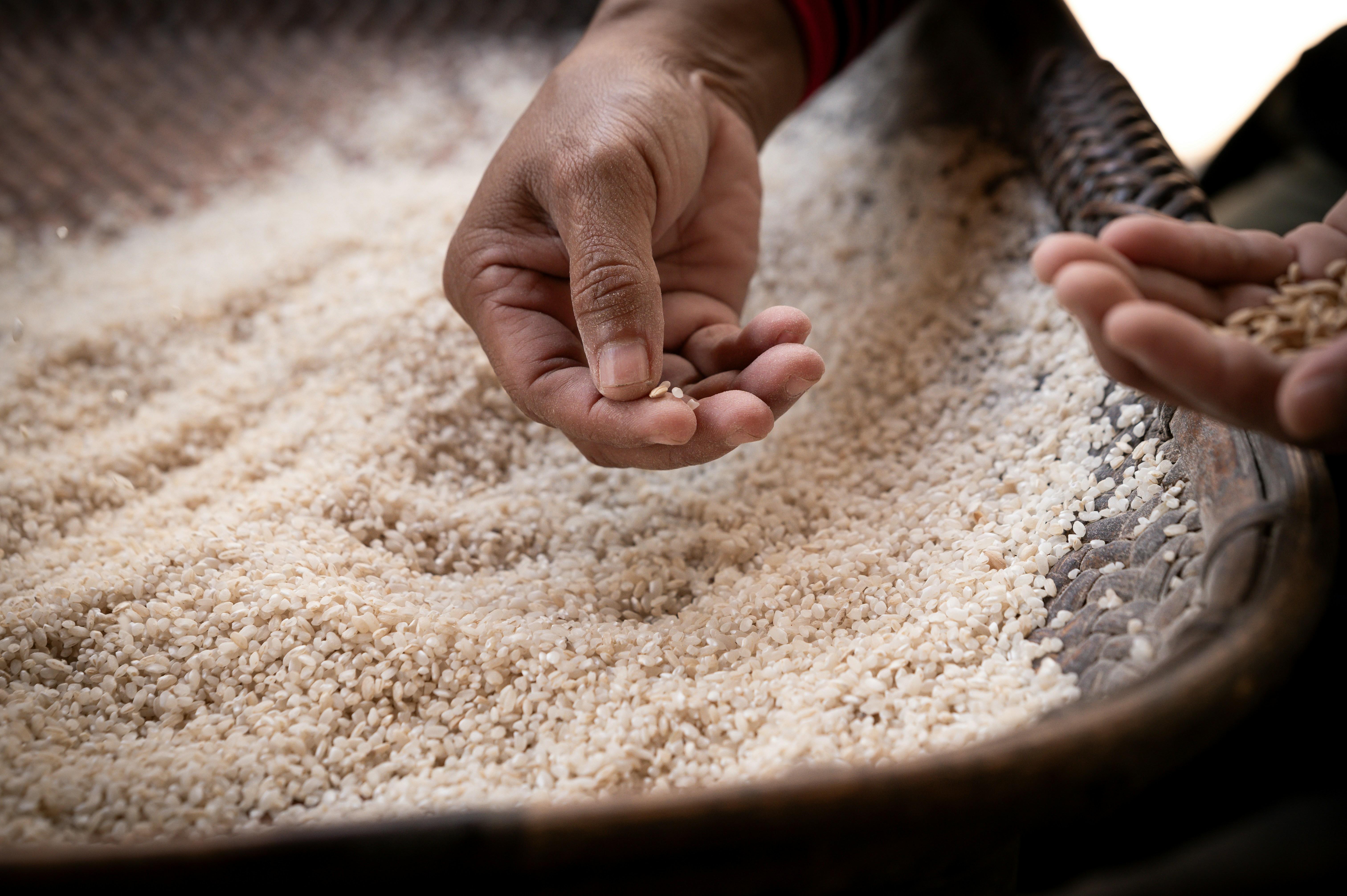
Revolutionizing Rice: The Promise and Perils of Modern Processing Techniques in the Quest for Sustainability
Modern rice processing techniques have surged to the forefront of discussions surrounding lasting agriculture, promising to redefine the efficiency and environmental impact of one of the world’s staple crops. While innovations like parboiling and precision milling present an prospect to reduce waste and enhance nutrient retention, they bring forth a dual-edged sword of benefits and challenges. For instance:
- Increased yield and nutrient preservation: Advanced processing methods can considerably reduce post-harvest losses and maintain vital nutrients, possibly boosting food security in regions heavily reliant on rice.
- Resource-intensive operations: On the flip side, these techniques often require notable energy and water inputs, raising questions about their overall sustainability, notably in water-scarce regions where rice cultivation already challenges local ecosystems.
as the conversation around food sustainability progresses, a nuanced approach is essential. Its crucial to recognise that the promise of high-tech processing must be balanced against its ecological footprint. Stakeholders must prioritize methods that align with local conditions rather than adopting one-size-fits-all solutions. For example, smallholder farmers in developing countries might benefit more from low-tech innovations—like solar dehydration—rather than intensive mechanized processing that increases their operational costs. Additionally, efforts must be made to educate consumers about the origins of their food, creating a market that values sustainability over mere efficiency. Only a holistic understanding of these trade-offs can guide us toward genuinely sustainable practices in rice production and processing, championing approaches that enhance both environmental durability and socio-economic equity.
The Double-Edged Sword of Rice Innovation: Unpacking Trade-offs between Efficiency and Environmental Impact
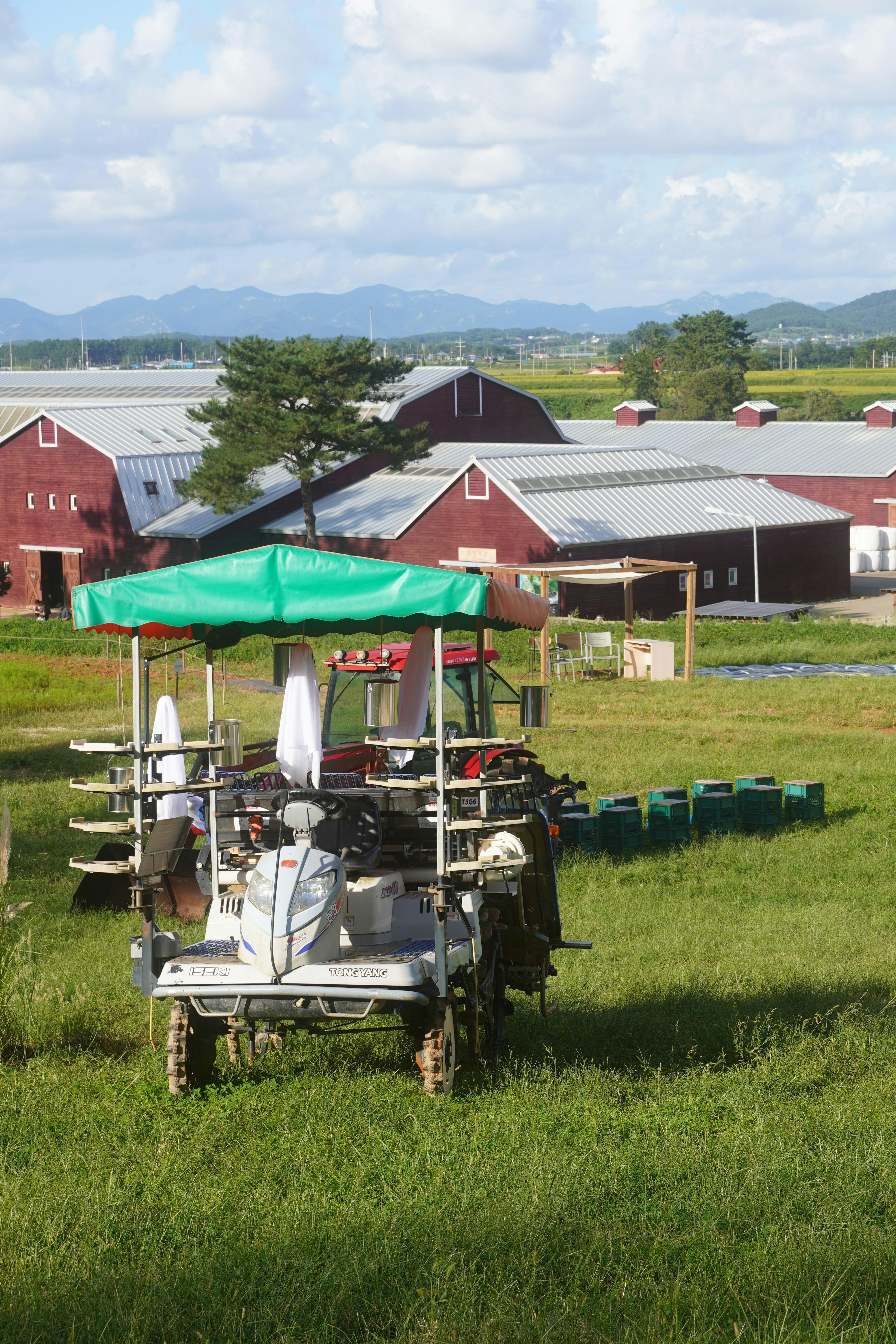
The rapid evolution of rice processing technologies holds tremendous promise, but it also introduces a complex web of trade-offs that warrant careful scrutiny. On one side, innovations such as parboiling, milling, and anaerobic fermentation have unlocked the potential for higher yields and reduced production costs, thus increasing food security in many developing regions. However, these efficiencies can come at a significant environmental cost. For instance, the mechanization of rice processing often leads to increased fossil fuel consumption, contributing to greenhouse gas emissions. The shift towards high-input farming, driven by the desire for output maximization, can result in soil degradation, loss of biodiversity, and water scarcity. Thus, while the intent to optimize agricultural efficiency is commendable, it is imperative to question whether such innovations genuinely serve long-term sustainability goals or merely exacerbate existing environmental challenges.
To navigate this dualism, a more nuanced approach is essential. Stakeholders from producers to policymakers should engage in a multifaceted evaluation of rice processing innovations by weighing their economic viability against ecological repercussions. Recommendations include:
- Investing in Sustainable Practices: Utilize eco-friendly processing techniques, such as solar drying and bioenergy from rice husks, that not only conserve resources but also create a circular economy.
- Promoting Crop diversity: Encouraging the cultivation of diverse rice varieties can enhance resilience against pests and climate change while decreasing reliance on chemical inputs.
- Implementing Regenerative Agriculture Models: Shift towards practices that restore soil health and biodiversity, creating a balance between productivity and environmental stewardship.
By critically examining these innovations through an environmental lens, the goal should be to foster a rice industry that thrives not just on efficiency, but also on sustainability, creating a food system that nourishes both people and the planet.
Beyond Yield: Exploring Alternative Grains as Sustainable Solutions in a Rice-Dominated Market
The dominance of rice in global diets, particularly in Asia, has long overshadowed the potential of alternative grains such as quinoa, millet, and fonio. However, as climate change and resource scarcity begin to strain traditional farming practices, it becomes imperative to re-examine these underutilized grains. Not only do they present a solution to food security, but they also contribute significantly to sustainability. As an example, alternative grains typically require less water and can thrive in poor soil conditions, making them more resilient to environmental variability. By diversifying the grains cultivated and consumed, we can reduce the agricultural pressures currently associated with rice production. The transition, though, is not without its trade-offs: consumers may need to adapt their culinary habits, and farmers will face the challenge of shifting established practices entrenched in rice cultivation.
To facilitate this transition, stakeholders in the food industry must embrace a systems-thinking approach, focusing on educational outreach and marketing strategies that highlight the unique benefits of alternative grains. Policy advocacy will be critical to incentivize farmers to experiment with these options through subsidies or research grants. Additionally, businesses can catalyze this change by investing in innovative processing techniques similar to what has been unfolding in rice technology, which can enhance the shelf life and nutritional benefits of quinoa and millet.Ultimately, the move towards alternative grains is not simply about farming practices but entails reshaping consumer perceptions. A balanced approach would involve harnessing traditional knowledge while integrating scientific advancements, ensuring that alternative grains are recognized not merely as a backup but as a sustainable staple in their own right. here are some key characteristics of potential alternatives to rice:
| Grain | Nutritional Profile | Environmental Benefits |
|---|---|---|
| Quinoa | Complete protein, high in fiber | Grows in arid environments with minimal irrigation |
| Millet | Rich in magnesium and iron | Resilient to drought, requires less fertilizer |
| Fonio | high in amino acids and minerals | Fast-growing and can improve soil health |
Hidden Costs of Progress: How Advances in Rice Processing May Overlook Critical Socioeconomic Realities
Advancements in rice processing, while heralded for their potential to enhance food sustainability and market efficiency, often mask a set of hidden socioeconomic costs that can exacerbate disparities rather than alleviate them.For instance, the integration of cutting-edge technologies such as high-capacity milling machines and automated sorting systems can led to significant reductions in labor demands. This may create the illusion of progress, yet in many rice-growing regions, it catalyzes unemployment and income instability among smallholder farmers and local workers. As these innovations push for high efficiency, the following critical considerations arise:
- Labor Displacement: Automation may streamline production and increase output but often at the expense of unskilled labor, leading to burgeoning unemployment rates in rural communities.
- Access to Technology: Smaller, resource-poor farmers may find themselves unable to invest in these advances, widening the gap between the agribusiness elites and traditional farming families.
To navigate these trade-offs effectively, stakeholders must recognize that simply introducing advanced technologies is not a panacea. A more nuanced approach would involve developing *inclusive modernization strategies* that empower local communities. For instance, implementing training programs that teach farmers how to operate and maintain new machinery can both preserve traditional knowledge and enhance local employment opportunities. Moreover, exploring cooperative models where resources are pooled for collective investment in processing technologies could foster equitable access and retention of labor. Ultimately, prioritizing the human dimension of agrarian economies might prove more beneficial than an unqualified rush toward modernization.
| Hidden costs of Automation | Potential Solutions |
|---|---|
| Labor Displacement | Training and reskilling programs for affected workers |
| Resource Inequity | Cooperative models for collective investment |
Final Thoughts
As we journey beyond the grains, it becomes clear that the evolution of rice processing techniques holds immense potential, not only for the agricultural sector but for the very fabric of our global food systems. By embracing innovation and sustainability, we are witnessing a transformative ripple effect that transcends borders and cultures, fostering a future where food security is within reach for all. The advancements discussed are more than just technical achievements; they are a clarion call for collaboration and conscious consumption.
In navigating this new terrain, it is essential for stakeholders—from farmers to consumers—to understand their role in this intricate ecosystem.as we redefine the parameters of what sustainable food production looks like, it’s vital to remember that every grain represents a connection between our past, present, and future. As these revolutionary techniques gain momentum on the global stage, they invite us to reimagine our relationship with food, inspiring a world where nourishment is abundant, equitable, and environmentally kind.
As we close this chapter on rice processing, let us carry forward the lessons learned and the innovations inspired. With collective effort and a shared vision, we can continue to nurture not just our plates but our planet, ensuring that generations to come can thrive in harmony with the earth’s resources. The journey may be just beginning, but the possibilities are as boundless as the fields of rice that stretch toward the horizon.