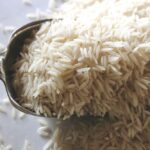
In the heart of agricultural production, paddy processing plants play a pivotal role in transforming harvested grains into market-ready rice, a staple food for billions around the globe.However, the hidden complexities of these operations often go unnoticed, nestled behind the rhythmic hum of machinery and the shuffle of workers. As global demand for rice escalates amid changing climate patterns and population growth, optimizing efficiency and quality in paddy processing has become not just beneficial but essential. This article delves into a technical analysis of paddy processing plant operations, scrutinizing performance specifications that govern these facilities. By examining key operational parameters, innovative technologies, and best practices, we aim to uncover insights that not only enhance productivity but also maintain the high-quality standards demanded by consumers.Join us on this exploration of the intricate dance between efficiency and quality in the realm of paddy processing,where each grain tells a story of meticulous craftsmanship and scientific advancement.
Innovative Material Flow Dynamics in Paddy Processing Systems
are critical for optimizing throughput and minimizing waste. By implementing lean manufacturing principles alongside advanced automation technology, facilities can achieve a streamlined operational flow. Key mechanisms in fine-tuning material flow include:
- Batch Processing vs. Continuous flow: Depending on the scale, continuous flow systems offer higher efficiency with constant input and output, whereas batch systems allow for more flexibility in handling different paddy varieties.
- Gravity and Conveyor Systems: Using gravity-driven equipment reduces energy consumption, while automated conveyor systems improve the speed and consistency of material transfer.
- Smart Inventory Management: Employing just-in-time (JIT) inventory practices ensures fresh raw materials are available, decreasing the likelihood of spoilage and enhancing quality.
However, challenges such as equipment downtime and logistical bottlenecks can hamper overall efficiency. To assess performance, critical factors include:
| Factor | Performance Metric |
|---|---|
| Throughput Rate | Tonnes processed per hour |
| Yield Efficiency | Percentage of usable rice produced |
| Energy Consumption | Kilowatt-hours per tonne |
Addressing limitations in flow dynamics often requires the integration of advanced technologies like Internet of Things (IoT) sensors for real-time monitoring. This integration allows for proactive maintenance and performance adjustments based on live data, ultimately driving operational excellence in paddy processing systems.

Assessing the Impact of Engineering Decisions on Processing Efficiency
In in paddy processing plants, several mechanisms and performance factors come into play. Key considerations include the selection of machinery, layout optimization, and material flow dynamics. As an example,the choice between traditional milling and modern high-efficiency milling machines affects not only throughput but also the quality of the rice produced. High-efficiency machines,though initially more expensive,frequently enough result in reduced energy consumption and lower labor costs in the long term. Key criteria for evaluating these machines involve:
- Throughput Capacity: Measured in tons per hour, it reflects the machine’s operational speed.
- Energy Consumption: Kilowatt-hours per ton processed, crucial for calculating operational costs.
- Maintenance requirements: Frequency and costs associated with machine upkeep.
- Yield Quality: The percentage of whole grains versus broken grains produced.
Moreover, process logic plays a vital role in the overall efficiency of the paddy processing plant. Implementing real-time monitoring systems can provide valuable data on machine performance, allowing for informed adjustments to operations. Limitations frequently enough arise from older equipment, where mechanical inefficiencies push up both energy costs and waste levels. For example, using a conventional paddy separator may lead to a lower yield quality compared to modern air separators, which utilize air flow dynamics to increase separation precision while minimizing losses. an effective comparison matrix can be formulated to evaluate options based on key specifications:
| Machine Type | Throughput (TPH) | Energy (kWh/Ton) | Maintenance Cost | Yield quality (%) |
|---|---|---|---|---|
| Conventional Separator | 5 | 1.5 | $500/month | 85 |
| Air Separator | 8 | 1.2 | $300/month | 92 |
This comparative analysis not only highlights material and operational efficiencies but also addresses potential areas of betterment through technological upgrades, enabling plant managers to make informed decisions that align with both economic goals and quality benchmarks.
Critical Performance Metrics: Balancing Quality and Output in Rice Milling
In rice milling operations, balancing quality and output is critical for achieving optimal performance metrics. Key performance indicators (KPIs) in this context include milling recovery rate, head rice yield, broken rice percentage, and energy consumption per ton of processed rice. Each of these metrics serves a distinct operational purpose:
- Milling Recovery Rate: This measures the percentage of milled rice produced from paddy.Achieving a high milling recovery frequently enough involves fine-tuning the hulling and polishing processes to minimize losses.
- Head Rice Yield: It is the proportion of whole kernels to the total milled output.A typical target may be set at 60-70%, with quality factors including grain length and varietal characteristics playing significant roles.
- Broken Rice Percentage: Measuring the amount of broken kernels, this metric also reflects the adjustment of milling intensity. Acceptable limits can be between 5-15%, depending on market demands.
- Energy Consumption: Effective energy management in milling can significantly lower operational costs. Evaluating energy use can guide decisions on machinery upgrades or process modifications, with modern mills targeting less than 40 kWh/ton.
To effectively analyze these metrics, a thorough understanding of process logic is imperative. Modern rice milling involves several stages,including cleaning,hulling,polishing,and grading. The specifications of each machine or stage can particularly impact performance metrics. For example, newer hulling machines equipped with air-pressure systems can enhance recovery rates by minimizing kernel damage, while traditional rotary hullers can lead to higher grain loss rates. Additionally, comparative analyses of different milling technologies can reveal limitations; as an example, while water polishing may yield a visually superior product, it frequently enough results in higher energy consumption and processing times. By employing statistical process control techniques and implementing real-time monitoring systems,operators can continuously adjust parameters to strike an optimal balance between quality and output.
Identifying Limitations and Opportunities in Current Paddy Processing Technologies
Current paddy processing technologies exhibit a range of limitations that can hinder operational efficiency and product quality. Key mechanisms involved in the paddy processing cycle, including milling, parboiling, and drying, can face significant challenges due to outdated equipment, lack of automation, and insufficient control systems. As an example, traditional milling machines frequently enough result in high bran loss and low head rice yield. The processing parameters that affect these losses include:
- Milling Time: Extended milling times frequently enough lead to excessive breakage.
- Temperature Control: Inadequate control during milling can cause quality degradation due to excessive heat.
- Humidity Management: Insufficient control of humidity during storage can promote mold growth.
Opportunities for improvement may arise through the adoption of modern processing technologies such as optical sorters, which enhance the quality of rice by detecting and removing foreign materials and underdeveloped grains. Additionally, adopting integrated process control systems allows for real-time monitoring and adjustment of critical processing parameters. Table 1 below summarizes performance factors and technological opportunities:
| Performance Factor | Current Limitation | Technological Opportunity |
|---|---|---|
| Head Rice Yield | High breakage rates in milling | Precision milling technology |
| Quality Control | Manual sorting and inspection | Optical sorting systems |
| Energy Efficiency | Old drying systems | Heat recovery systems |
By addressing these limitations and harnessing technological advancements, paddy processing plants can significantly improve both efficiency and the quality of their output. Ultimately, a comprehensive evaluation of existing processes alongside the integration of advanced technologies will lead to optimized performances across various operational metrics.
In Conclusion
the journey through the intricate world of paddy processing plant operations has unveiled a tapestry woven from threads of efficiency and quality. By delving into the technical specifications and operational nuances, we have highlighted the essential balance between maximizing output and maintaining high standards. As the agricultural landscape continues to evolve, the insights drawn from this analysis become critical for stakeholders aiming to enhance productivity while navigating sustainability challenges.
Ultimately, the path to success in paddy processing is not merely about implementing advanced technology or adhering to stringent quality measures; it’s about fostering an environment where innovation and continuous improvement thrive. As we look toward the future, the key lies in the harmonious integration of best practices, robust training, and a commitment to excellence—a combination that will not only elevate the performance of paddy processing plants but also contribute to the broader goal of food security and economic stability.
In a world increasingly driven by data and informed decision-making, let us embrace the principles outlined in this analysis as guiding stars, leading us toward a more efficient and quality-conscious approach to paddy processing. The potential for transformation is vast, and the possibilities are as rich as the grains we seek to perfect.