Unlocking Efficiency: A Complete Guide to Mini Rice Mill Plants and Their Advantages
In an era marked by rapid industrialization and the relentless pursuit of efficiency, the agricultural sector stands at a crossroads, seeking innovative solutions to meet rising demands while ensuring sustainability. At the heart of this transformation lies the mini rice mill plant—an ingenious invention that promises to revolutionize the way we process one of the world’s staple foods. With the ability to minimize waste, reduce labor costs, and enhance production capabilities, these compact mills are rapidly gaining recognition among farmers, entrepreneurs, and agro-investors alike. This article aims to delve into the mechanics of mini rice mill plants, exploring their operations, benefits, and the transformative impact they can have on both local communities and the broader agricultural landscape.Join us as we unlock the potential of these efficient machines and discover how they are reshaping the future of rice production.
Understanding mini rice mill Plants and Their Role in Modern Agriculture
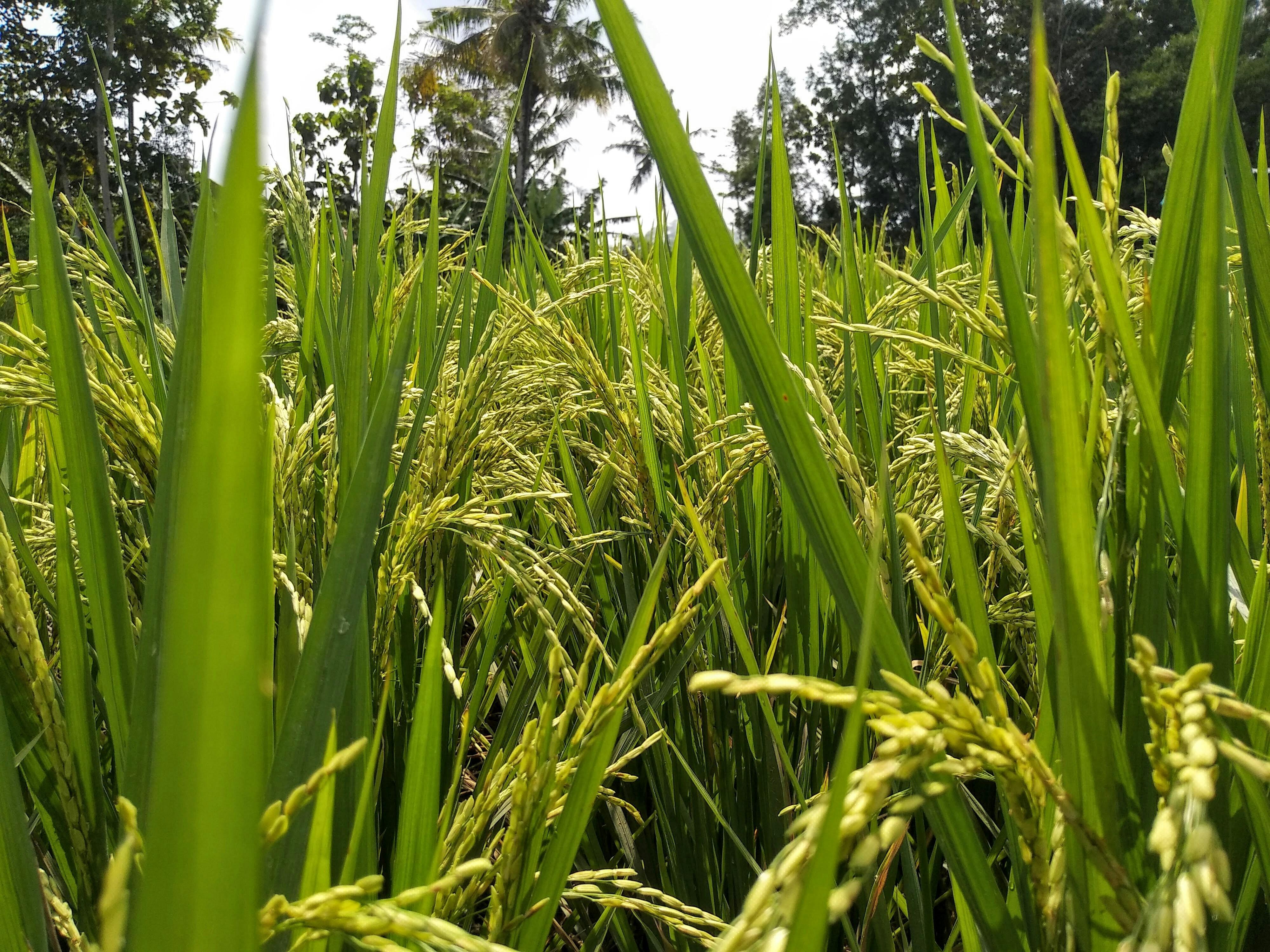
mini rice mill plants are compact processing units designed to convert paddy (unhusked rice) into edible rice efficiently and cost-effectively. Unlike traditional rice milling setups that require considerable space and investment, mini rice mills are tailored to meet the needs of small-scale farmers and entrepreneurs.These mills typically consist of a combination of machinery including de-huskers, polishers, and separators, which work together to achieve maximum output with minimal labor. the compact design makes them ideal for rural areas where space and resources may be limited, allowing for easier operation and maintenance. Moreover, mini rice mills can be powered by various energy sources, including electricity and diesel, making them versatile for different operational environments.
The benefits of employing a mini rice mill plant in modern agriculture are manifold. Firstly, these units enhance the profitability of paddy farming by allowing farmers to add value to their crops through milling, thereby increasing their income potential. Additionally, mini rice mills contribute to local economies by creating job opportunities and supporting agricultural entrepreneurship. However, potential users should also consider some challenges, such as initial capital investment, local competition, and sourcing high-quality machinery. Comparing different models and suppliers is advisable; a simple checklist can help in evaluating options:
- Production Capacity: Assess how much rice can be processed daily.
- Energy consumption: Determine the efficiency and operating costs.
- Durability: Look for robust construction and materials.
- maintenance Requirements: Factor in the ease of repair and part availability.
- Manufacturer Support: Consider warranties and customer service.
With the right mini rice mill plant,farmers can effectively reduce post-harvest losses,ensure product quality,and meet local market demands with fresh,high-quality rice. Equipped with the right knowledge and tools, agricultural entrepreneurs can turn milling into a viable business venture that supports both their livelihood and the local community.
Key Benefits of Integrating Mini Rice Mills into Your Operation
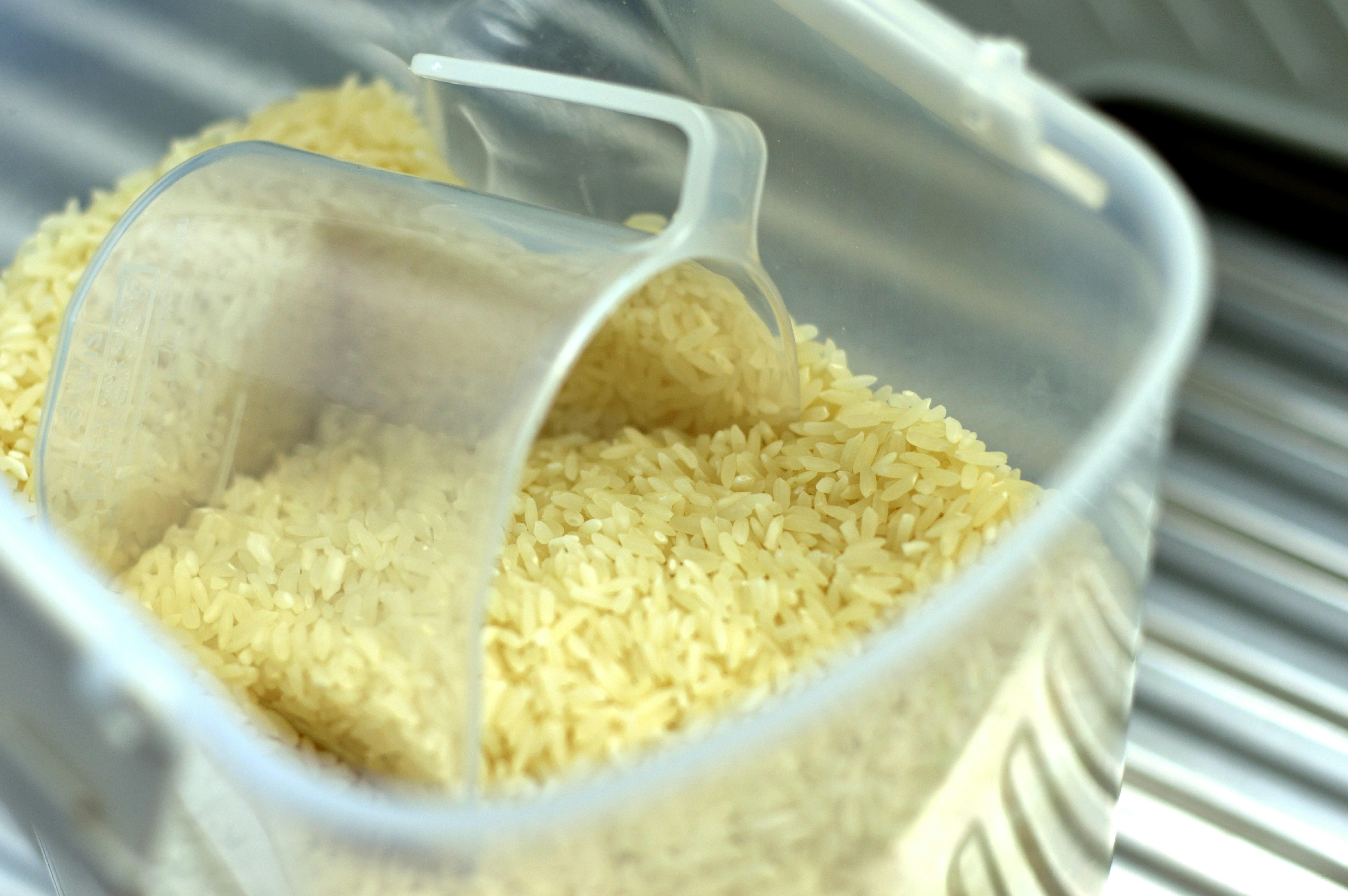
Integrating mini rice mills into your agricultural operations can yield considerable advantages, especially for small to medium-sized enterprises looking to enhance productivity and profitability. These compact milling units combine several processing stages into one, simplifying the workflow and reducing labor costs.Key benefits include:
- Cost-Efficiency: Mini rice mills require a lower initial investment and have reduced operational costs compared to larger counterparts, making them accessible for smaller farmers or cooperatives.
- Space Saving: their compact design facilitates easy placement in tight spaces, allowing producers to utilize their premises more efficiently.
- Higher Quality Output: Modern mini rice mills utilize advanced technology that ensures better milling and polishing, resulting in improved grain quality and marketability.
- Adaptability: These mills can often be customized or upgraded, allowing operators to cater to specific rice varietals or market demands.
- Reduced Processing Time: By streamlining the milling process, mini mills can dramatically decrease the time needed to process rice, helping producers meet market demands swiftly.
Moreover, the integration of mini rice mills can lead to additional opportunities such as value-added processing, allowing businesses to explore niches like organic or specialty rice products. Consider these comparisons:
| Feature | mini rice mill | Conventional Rice Mill |
|---|---|---|
| Initial Investment | Low | High |
| Space Required | Compact | Large |
| Processing Speed | Fast | Variable |
| Operation Complexity | Simplified | Complex |
This comparison illustrates why mini rice mills are increasingly favored by numerous producers who wish to optimize their operations without the substantial overhead associated with larger milling plants. Adopting mini rice milling technology not only helps in improving the bottom line but also empowers farmers to be more self-reliant and innovative in a competitive marketplace.
Common Misconceptions about mini rice mill Efficiency
Many individuals considering investing in mini rice mills are often swayed by common misconceptions about their efficiency. One prevailing myth is that mini rice mills cannot match the productivity levels of larger, traditional milling systems. Though, advancements in technology have enhanced the design and functionality of these smaller units, enabling them to produce high-quality rice at competitive rates. As an example, modern mini rice mills can process up to 500 kg of paddy per hour, substantially increasing throughput without compromising quality. This makes them an excellent choice for small to medium-scale operations aiming to maximize both production and profit.
Another misbelief is that mini rice mills are less versatile in handling different types of rice. In reality, many contemporary models are designed with multiple functions, allowing operators to adjust settings to mill various rice varieties, weather it be basmati, jasmine, or local grains. Additionally, these mills frequently enough come equipped with features such as automatic polishing and husking, which improve the milling process while reducing labor costs. When selecting a mini rice mill, it’s essential to prioritize machines with a good range of features tailored to your specific milling needs. understanding the true efficiency of mini rice mills—including their processing capabilities and versatility—can definitely help potential investors make informed choices that align with their business goals.
Choosing the Right mini rice mill: What to Consider Before Investing
When choosing the right mini rice mill for your operation, there are several critical factors to consider to ensure that your investment meets your needs effectively. First, assess the capacity requirements of the rice mill. This entails understanding how much rice you intend to process daily. Mini rice mills typically range from 100 kg to 1000 kg per hour, so aligning the mill’s capacity with your production goals is crucial.Additionally, evaluate the quality of milling offered by different machines. A mill that provides a higher milling efficiency and lower broken rice percentage can significantly enhance product quality and reduce waste. Other considerations include energy efficiency, as an electric rice mill can save on operational costs in the long run, and maintenance requirements, as easier maintenance can reduce downtime and enhance productivity.
Another vital aspect is the brand reputation and customer support.Investing in a well-established brand can offer peace of mind, as these companies often provide reliable customer service, warranty options, and parts availability. It’s also beneficial to check for user reviews and testimonials about the mill you’re considering; feedback from other users can provide valuable insights. Below is a speedy comparison table outlining essential features to look for in mini rice mills:
| Feature | Importance | Considerations |
|---|---|---|
| Capacity (kg/hr) | High | Choose based on your production goals. |
| Milling Efficiency | High | Look for low broken rice percentage. |
| Energy Consumption | Medium | Consider the long-term costs. |
| Maintenance | Medium | ease of maintenance can save time. |
| Brand Support | High | Research brand reliability and service options. |
The Conclusion
the rise of mini rice mill plants heralds a new era of efficiency and sustainability in the rice production landscape. By embracing these compact yet powerful systems, farmers and entrepreneurs alike can unlock the potential for enhanced productivity and profitability. As we have explored, the advantages of mini rice mills extend beyond just streamlined operations—they offer a solution that aligns with modern agricultural practices and food processing needs.
Investing in a mini rice mill plant not only empowers communities through job creation and local sourcing but also contributes to a more resilient supply chain. With the right strategy and understanding, potential challenges can be met with innovative solutions, paving the way for a brighter future in rice milling.
As you navigate the journey of unlocking efficiency in your rice processing endeavors, remember that every step taken toward modernization brings with it the promise of growth, quality, and sustainability. Armed with knowledge and insight, you are now equipped to delve into this dynamic sector and harness its myriad benefits. The path forward is rich with opportunity—embrace it, and watch as your vision takes root and flourishes in the realm of rice milling.