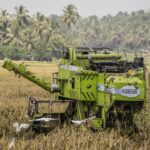
In an age where sustainability intersects with innovation, the world of rice processing is undergoing a remarkable transformation. Traditionally dominated by the familiar white grain, the rice industry is now on the verge of a revolutionary shift—one that embraces diversity beyond mere appearance and prioritizes environmental stewardship alongside profitability. Enter the next generation of rice processing plants, where cutting-edge technologies and sustainable practices converge to redefine not only how we cultivate and process rice but also how we perceive its value.as we delve into this emerging landscape, we will explore how these advanced facilities are harnessing choice grains, optimizing resources, and pioneering methods that promise to benefit both our planet and the global economy. Join us as we uncover the untold potential of rice, revealing a future where sustainability and profitability are inextricably linked, and the grains of tomorrow extend far beyond the traditional white.
Reimagining Rice: The Economic and Environmental Balance in Tomorrow’s Processing Plants
The future of rice processing plants lies in reimagining the economic and environmental paradigms that currently dominate the industry. Traditional rice milling methods often result in notable waste and underutilization of by-products. However, the narrative is shifting towards a model that emphasizes integrated processing systems, which not only enhance profitability but also minimize ecological footprints.In this new paradigm, the focus should be on:
- by-product Optimization: Leveraging the diverse range of rice by-products—such as bran, husk, and broken grains—can catalyze new streams of revenue. These by-products can be transformed into value-added products like rice bran oil or animal feed.
- Energy efficiency: Investing in energy-efficient technologies and practices can drastically reduce operational costs. For example, bioenergy systems that utilize rice husks as biomass fuel can improve self-sufficiency while also reducing reliance on fossil fuels.
- Water Management: Precision irrigation and advanced water recycling techniques can mitigate water scarcity issues, a critical component for sustainable rice production in regions facing climatic challenges.
Yet, implementing these changes is not without its trade-offs. While the upfront investment in modern technology and infrastructure can be substantial, the long-term financial benefits and environmental savings frequently enough outweigh these initial costs. Additionally, a nuanced approach is crucial; stakeholders must recognize that not all processing plants can afford the same sustainable transitions. A scalable model tailored to the specific socio-economic context of each region can ensure that advancements in processing do not lead to displacement of traditional labor or community practices. To navigate this complexity, active collaboration between farmers, technology providers, and local governments can facilitate earnest dialogues about shared goals and equitable outcomes.

Beneath the Surface: Unpacking the Myths of Sustainable Rice Production Techniques
When discussing sustainable rice production techniques, several myths often cloud the conversation, leading to misguided assumptions about the efficacy and practicality of these methods. As an example, the belief that organic rice farming inherently guarantees sustainability overlooks critical factors such as yield stability and pest management. While organic practices can enhance soil health and biodiversity, they may also result in lower outputs, challenging the profitability aspect of smallholder operations.Therefore, a nuanced approach that considers integrated pest management (IPM) alongside organic methods could yield better environmental and economic outcomes. This viewpoint emphasizes that sustainability should not be an isolated pursuit but rather part of a broader systems-thinking strategy that balances ecological health with food security.
Moreover, the dichotomy between traditional and modern farming techniques perpetuates a simplistic narrative that fails to appreciate the potential of innovative technologies like precision agriculture and agroecological practices. For instance, while traditional flooding methods are often criticized for their water intensity, modern water-saving technologies such as alternate Wetting and Drying (AWD) can maintain yield while dramatically reducing water usage. This shift not only counters the myth that innovation equates to industrialization but also illustrates a practical trade-off: adopting new technologies can reduce environmental stressors without sacrificing the livelihoods of farmers reliant on age-old practices. Effectively communicating these complexities encourages farmers, policymakers, and investors to recognize that true sustainability in rice production emerges from informed decision-making that integrates technology, environmental stewardship, and economic viability.
Innovative Processing: How Diverse rice varieties are Transforming profit Margins
Diverse rice varieties are not just an avenue for enhancing culinary experiences; they’re also a key driver in transforming profit margins for processing plants. By shifting focus from conventional white rice to a broader spectrum of varieties—such as red, black, and aromatic rices—processors can tap into niche markets that are becoming increasingly lucrative.As an example, specialty rice types often command premium prices, catering to health-conscious consumers and culinary enthusiasts alike. The willingness of these consumers to pay more creates a direct chance for increased margins,but this shift necessitates investing in new processing technologies and quality control measures.
However, the transition to innovative processing methods is not without its trade-offs. While diverse grain types can enhance profitability, they also come with complexities, such as varying milling requirements and the need for tailored marketing strategies. A one-size-fits-all approach no longer applies.Processing plants must strategically choose which varieties to pursue, weighing factors like demand trends, production costs, and existing supply chain capabilities. Here are some strategic considerations for processors to keep in mind:
- Market Analysis: Regularly assess trends in consumer preferences to identify which varieties hold the most promise.
- Investment in Technology: invest in equipment that can handle the unique qualities of diverse rice types to maximize yield and minimize waste.
- Partnerships: Collaborate with local farmers to ensure a steady supply of specialty rice varieties, thus securing an beneficial position in the market.
A nuanced approach allows processors not only to enhance their profit margins but also to foster a sustainable model that prioritizes diversity and quality over mere volume.
The Cost of Progress: Evaluating the Trade-Offs in the Quest for Sustainable Rice Solutions
Evaluating the trade-offs in the quest for sustainable rice solutions reveals a complex interplay of economics, environmental impact, and social equity that demands careful navigation. While investing in advanced processing technologies—such as energy-efficient milling equipment and zero-waste systems—holds promise for sustainability, the initial expenditures can be substantial. Key factors to consider include:
- Capital Investment vs. Long-term Savings: While the upfront costs of sustainable technology can deter stakeholders, the potential for reduced operational costs and increased market competitiveness over time frequently enough outweighs these initial barriers. A thorough return-on-investment analysis can illuminate these benefits, showcasing how efficiency can lead to significant financial returns.
- Market Demand vs. Accessibility: As consumer preferences shift toward sustainably sourced products, rice processors face a dilemma. The challenge lies in aligning their operations with the growing demand without alienating smaller producers who may lack the capital or resources to implement similar upgrades. Establishing partnerships or offering training and financial incentives for smaller growers can definately help bridge this gap, fostering a more inclusive and sustainable supply chain.
Furthermore, while embracing sustainability can enhance brand loyalty and appeal to environmentally conscious consumers, it also raises questions about scalability. The assumption that sustainable practices universally lead to profitability is flawed; in some regions, higher production costs could shift pricing structures and disadvantage less affluent consumers.Strategic considerations might include:
- Differentiation vs. Homogeneity: Sustainability should not merely be a marketing ploy but a genuine commitment to ethical practices.As processors adopt sustainable methods, they must clearly articulate their unique value propositions without falling into the trap of greenwashing, which can alienate discerning consumers.
- Policy Alignment vs. Market Forces: Navigating government regulations surrounding sustainable agriculture requires staying informed and adaptive. Ensuring compliance, while simultaneously responding to market dynamics, can be a double-edged sword; aligning with progressive policies may enhance credibility, yet overly burdensome regulations can stifle innovation if not managed thoughtfully.
Maximizing sustainable practices in rice processing while assessing their socio-economic implications requires a multifaceted approach that balances profit with purpose.The future of the industry hinges on these strategic trade-offs, ultimately defining how rice processing can evolve into a model of sustainability without compromising economic viability.
In Conclusion
As we stand on the cusp of a new era in rice production, the transformation unfolding within tomorrow’s processing plants offers a compelling glimpse into the future of agriculture. By embracing innovative technologies and sustainable practices, these facilities are not just redefining the grain we consume but also reshaping the economic landscape for farmers and producers alike. The journey beyond white grains is not merely about a shift in color or type; it signifies a broader commitment to environmental stewardship and profitability that prioritizes both people and the planet.
as stakeholders across the supply chain come together to forge a more sustainable future, it is evident that the choices made today will ripple through generations. The rice we eat tomorrow may look different, but the vision for a sustainable and profitable industry is one that can unify us all in the quest for nourishment and preservation. The seeds of this revolution are being sown now—let us watch and participate as they grow into a vibrant future that nourishes both our bodies and our Earth.