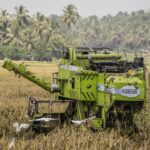
In the heart of agricultural landscapes, where golden fields stretch under the sun, the pursuit of efficiency and sustainability is paramount for farmers. As the backbone of food production, rice cultivation plays a pivotal role in feeding populations and sustaining economies. However,traditional methods of milling often pose challenges that can hinder productivity and profitability. Enter the combine mini rice mill—an innovative solution that seamlessly integrates harvesting and milling into one streamlined process.In this comprehensive guide, we will explore the myriad benefits and features of combine mini rice mills, revealing how they transform the rice milling experience for farmers. From enhancing efficiency and reducing labor costs to improving grain quality and minimizing waste, these compact machines are reshaping the agricultural landscape. Join us as we delve into the advantages that make combine mini rice mills a valuable investment for modern farmers seeking to elevate their operations and embrace a more sustainable future.
Unlocking the Potential of Combine Mini Rice Mills for Modern Agriculture
Combine mini rice mills represent a transformative advancement in modern agriculture, designed to streamline the rice milling process while offering high efficiency and reduced production costs. These mills integrate multiple functions, including husking, whitening, and grading, into a compact machine, making them ideal for small to medium-sized farms.One of the principal benefits of using a combine mini rice mill is its ability to substantially cut labor costs and time. Farmers can process rice quickly and efficiently, leading to higher yields and more profits. Additionally, these mills consume less power compared to traditional milling systems, which makes them more sustainable and economically viable for farmers operating in rural areas.
When considering a combine mini rice mill, farmers often weigh various factors to maximize their investment. key considerations include:
- Capacity: Choose a model that meets your production needs, ranging from small-scale to larger operations.
- Maintenance and Support: Opt for brands that provide comprehensive support and easy maintenance options to minimize downtime.
- Quality of Output: Evaluate the milling quality of different models to ensure a high-grade rice, which is crucial for market competitiveness.
- Cost Efficiency: Compare purchase prices and operational costs to identify the moast economically beneficial option.
It is indeed also worth noting that many combine mini rice mills come equipped wiht additional features, such as adjustable settings for different rice varieties and integrated dust collection systems to improve workplace hygiene. Here’s a comparative table to help farmers assess the potential of various models:
| Model | Capacity (kg/hour) | Power Consumption (kW) | Price Range (USD) |
|---|---|---|---|
| Model A | 400 | 2.5 | $1,500 – $2,000 |
| Model B | 600 | 3.0 | $2,000 – $2,500 |
| Model C | 800 | 4.0 | $2,500 – $3,000 |
In essence, by adopting combine mini rice mills, farmers can unlock new levels of productivity and profitability, aligning with the demands of modern agricultural practices.
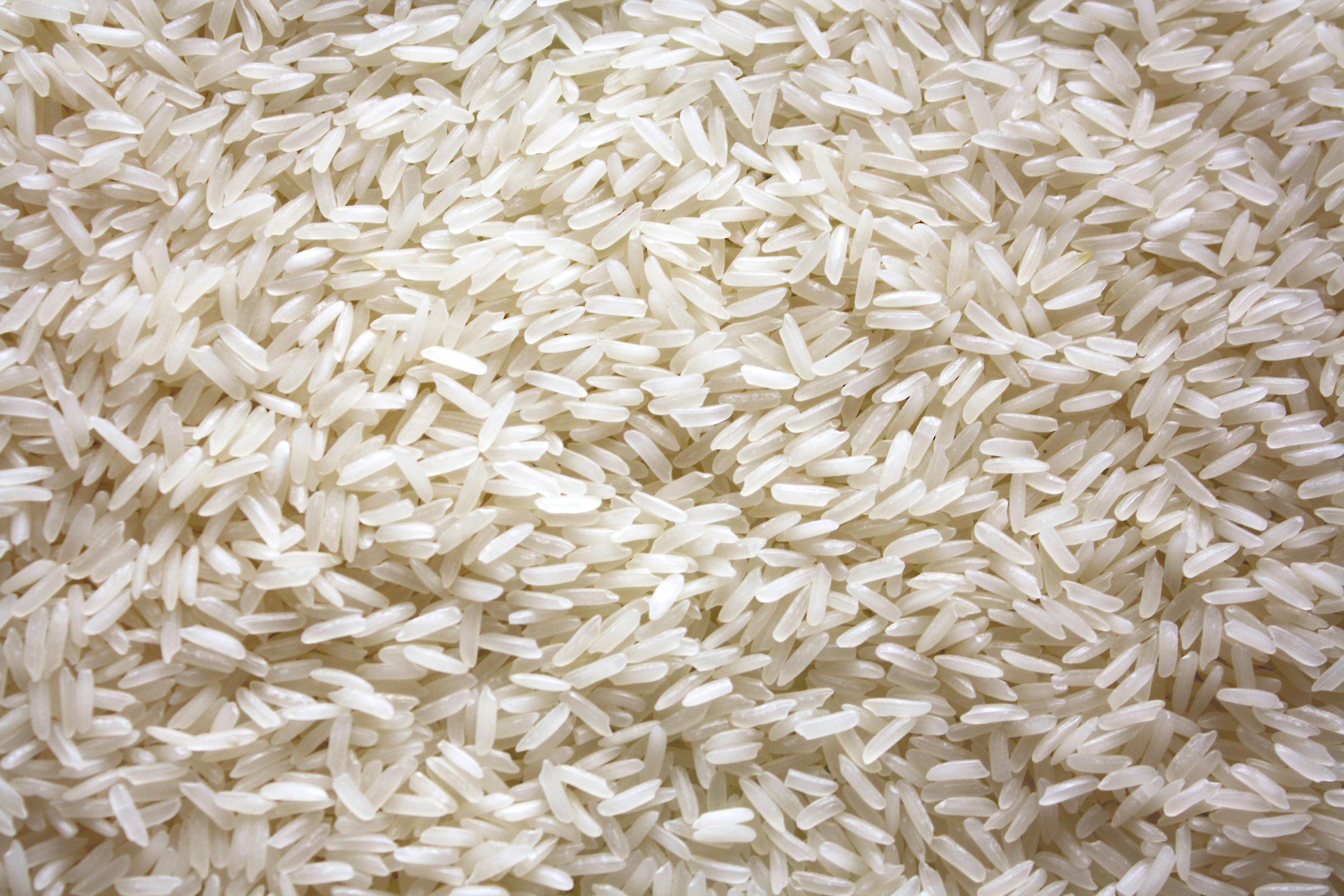
Understanding the Advantages and Challenges of Mini Rice Milling for Farmers
Mini rice milling refers to the process of milling rice using smaller, more compact machinery, which is particularly beneficial for smallholder farmers. One of the primary advantages of mini rice mills is their ability to significantly reduce the cost of production. these machines are generally less expensive to purchase and maintain compared to larger commercial mills, making them accessible for farmers operating on a limited budget. Additionally, mini rice mills offer the flexibility of milling rice on-site, which means farmers can process their harvest immediately, ensuring fresh quality and maximizing market value.Other benefits include:
- Increased Control: Farmers gain greater control over the milling process, allowing them to tailor the quality of the rice to meet local market preferences.
- Reduced Transportation Costs: milling on-site eliminates transport expenses associated with sending rice to larger mills.
- Job Creation: Mini mills can create job opportunities within the community, contributing to local economic development.
However, the adoption of mini rice milling also presents challenges that farmers must consider. As a notable example, while the initial investment is lower, ongoing maintenance and operation costs can add up, especially if the machines are not properly cared for. There is also the issue of technical expertise; farmers may require training to operate these machines efficiently and effectively.comparing the outcomes of using mini rice mills versus traditional methods, many farmers find that while mini mills allow for better quality control, ensuring consistent output can be challenging due to varying rice grain quality. Farmers should evaluate the following before investing:
| Factors | mini rice mill | Traditional methods |
|---|---|---|
| Initial Investment | Lower | Higher |
| Maintenance | variable | Frequently enough more predictable |
| Processing Time | Fast | Slower |
| Quality Control | Higher flexibility | Limited control |
Choosing the Right Combine mini rice mill: Essential Tips and Common Misunderstandings
When selecting the right combine mini rice mill, its crucial to understand the specific needs of your farming operation. Considerations such as capacity, efficiency, durability, and ease of maintenance play a meaningful role in making the right choice. here are key factors to keep in mind:
- Capacity: Determine the volume of rice you need to process daily.Mini rice mills come in various processing capacities (from 300 kg to over 1,000 kg per hour), which should align with your production goals.
- Energy Efficiency: Look for models that optimize energy usage while delivering high output. This not only reduces operational costs but also minimizes your carbon footprint.
- Durability: Choose machines made from robust materials that can withstand the rigors of daily use. Steel bodies with corrosion-resistant coatings are preferable.
- Ease of Maintenance: Consider machinery that is easy to clean and has accessible components for repairs. Regular maintenance is essential for longevity.
Common misunderstandings often arise regarding the technical specifications of combine mini rice mills. Many farmers overlook the importance of brand reputation and customer support services, assuming that all mills perform similarly. In reality, a reliable manufacturer can provide not just a robust machine but also essential after-sales support. Additionally,misjudgments about pricing can occur; while cheaper models may seem cost-effective initially,they can lead to higher long-term costs due to repairs and inefficiency. When comparing options, it’s wise to create a table listing potential mills alongside their features, warranty terms, and user reviews. this organized approach helps in making a well-informed decision that best suits your agricultural needs.
Comparative Insights: how Combine mini Rice Mills Measure Up Against Traditional Milling Methods
When examining the efficacy of combine mini rice mills compared to traditional milling methods, several distinct advantages emerge that can significantly influence the decision-making process for farmers. Combine mini rice mills integrate harvesting and milling functions in a single machine, streamlining operations and maximizing efficiency. In contrast, traditional milling frequently enough involves separate stages that require individual machinery and more labor-intensive procedures. This can lead to higher operational costs and increased time spent in processing. By utilizing a combine mini rice mill, farmers can benefit from:
- Reduced Labor Costs: Fewer machines and personnel are needed, which can lower overall expenses.
- Space Efficiency: The compact design means that less physical space is needed for machinery and storage.
- Increased Speed: The simultaneous harvesting and milling processes drastically decrease the time from crop to consumer.
- Improved Quality: Modern milling equipment frequently enough uses advanced technology that enhances the quality and yield of the rice produced.
Though, traditional milling methods do have their merits, such as established practices and simpler machinery that might be easier to maintain for some users. Nevertheless, they often come with higher waste levels due to less efficient grain processing. For those considering a technological upgrade, a comparative analysis of performance metrics reveals that combine mini rice mills not only outpace traditional methods in efficiency but also deliver higher energy savings. A quick look at the following table illustrates this clearly:
| Milling Method | Labor Required | Processing Time (Hours) | Grain Loss Percentage |
|---|---|---|---|
| Combine mini rice mill | Low | 2-3 | 5% |
| Traditional Milling | High | 5-7 | 10% |
Ultimately,for farmers looking to modernize their operations,the combined features of efficiency,cost savings,and improved quality position combine mini rice mills as a compelling choice to more conventional milling processes.
In Retrospect
the introduction of combine mini rice mills marks a significant evolution in the world of agricultural technology, empowering farmers with enhanced efficiency and productivity. By harnessing the myriad benefits of these compact machines, farmers can streamline their operations, reduce labor costs, and ultimately maximize their yields.
As we’ve explored throughout this comprehensive guide, the features of combine mini rice mills—such as their versatility, energy efficiency, and ease of use—make them an invaluable asset in modern rice cultivation. Whether you’re a seasoned farmer or just starting your agricultural journey, integrating these innovative tools into your farming practice can lead to remarkable improvements in both quality and output of your harvest.
As we move forward,the agricultural landscape will continue to evolve,and embracing advancements like the combine mini rice mill will be key to thriving in a competitive market. We encourage farmers to consider these technologies not only as tools but as vital partners in their quest for sustainable and prosperous farming. With each grain harvested, you’re not just feeding a community; you’re sowing the seeds for a brighter and more efficient future in agriculture.Happy farming!