In a world where food security is an ever-pressing concern, rice stands out as a staple that nourishes billions.However, the journey from seed to table is fraught with challenges that extend beyond mere cultivation. As the global population continues to rise, the need for innovative approaches to agriculture has never been more urgent. ”From Seed to Success: Rethinking Rice Processing as a Catalyst for Sustainable Agriculture” explores a transformative perspective on rice processing—not merely as a step in the supply chain, but as a pivotal factor in the push towards sustainability. By reimagining how we handle this essential grain, we can unlock new pathways to reduce waste, enhance nutrition, and empower farmers while safeguarding the habitat. Join us on a journey through the fields and mills of rice, where we delve into the intricate interplay between technology, tradition, and ecological stewardship.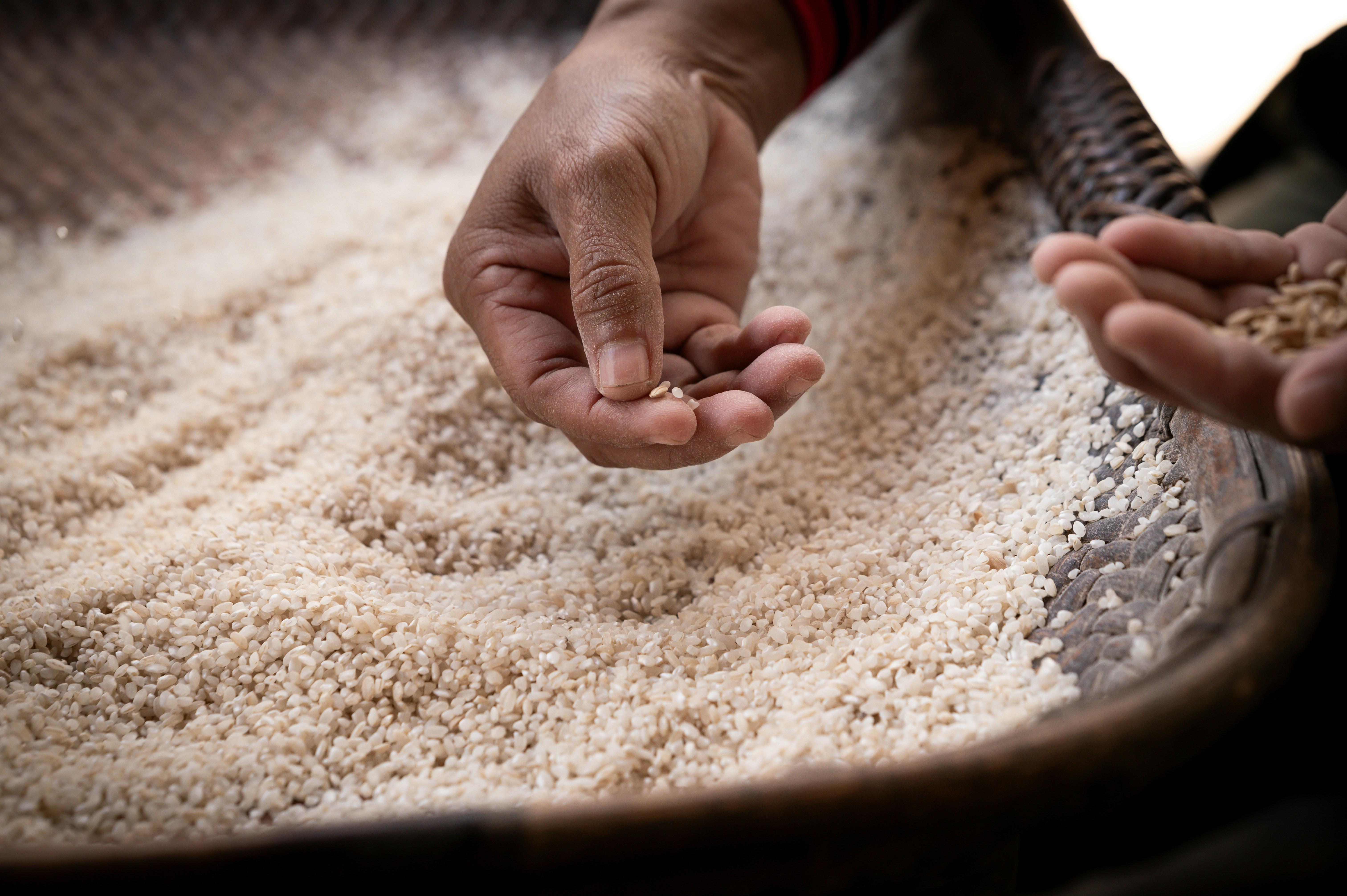
Unpacking the Hidden Costs of conventional Rice Processing and Its Environmental Footprint
The traditional processing of rice, often deemed an essential step in ensuring quality and minimizing post-harvest losses, carries hidden costs that extend well beyond immediate agricultural economics. While the primary goal of rice processing is to transform raw paddy into market-ready rice, this conversion involves significant water, energy, and labor inputs. Each of these elements can have deleterious effects on both the environment and local communities. The conventional methods typically employed include milling, parboiling, and drying, wich consume substantial amounts of water—an increasingly precious commodity in many rice-growing regions. An alarming statistic indicates that up to 80% of the water used in rice cultivation can be channeled into post-harvest processing, further exacerbating regional water shortages and leading to soil degradation.
Moreover, the reliance on fossil fuel-based energy sources in rice milling systems not onyl emits greenhouse gases but also undermines rural communities by elevating costs and creating a dependence on volatile fuel markets. The trade-off between efficiency and sustainability is stark; conventional high-capacity mills achieve economies of scale but often at the expense of smallholder producers who are unable to compete. Consider the benefits of alternative methods: technologies such as solar-powered milling systems can significantly reduce the carbon footprint while empowering local entrepreneurs. A nuanced approach to rice processing shoudl not only focus on lowering costs but also prioritizing innovative solutions that enhance sustainability. By integrating practices like water recycling, biomass energy recovery, and the adoption of eco-pleasant equipment, the industry can transition toward a more holistic model that cherishes both yield and ecological balance. Deviating from the traditional paradigm can lead to a more regenerative agricultural landscape, ultimately aligning economic viability with environmental stewardship.

Debunking Myths: Why innovative Rice Processing is Not a One-Size-Fits-All Solution
Innovative rice processing technologies often promise broad benefits for all stakeholders involved; however, this notion can oversimplify complex agricultural systems. It’s critical to recognize that the ideal solution for one region might not translate effectively to another due to variations in local ecosystems,socio-economic conditions,and existing infrastructure.As an example, consider the following key distinctions:
- Geographical Diversity: Rice grown in flood-prone areas may require different processing technologies compared to that grown in arid regions.
- Cultural Practices: Traditional methods and local customs can influence acceptance and effectiveness; a tool that maximizes yield but undermines traditional practices may face resistance.
- Market Access: Access to markets for processed rice often varies significantly, influencing which processing methods are economically viable.
These factors highlight the necessity of tailored approaches rather than a blanket submission of innovative technologies. Furthermore, the trade-offs involved in adopting new technologies can be substantial; for example, while mechanized processing may increase efficiency, it can also lead to job losses in communities reliant on manual labor. As such, industry stakeholders must engage in nuanced discussions, prioritizing collaboration with local farmers, researchers, and policymakers. This collaborative approach can uncover sustainable practices that honor local contexts while adopting innovative techniques, ensuring the rice sector evolves sustainably and inclusively.
Beyond Grain: Exploring the Strategic Role of Rice Processing in Global Food Security
Rice processing has often been viewed through a narrow lens, primarily focused on enhancing grain quality and maximizing yield. Though, its strategic role transcends mere production metrics, interacting intricately with global food security, nutrition, and economic stability. One major misconception is that processing solely serves to increase profitability for producers. in reality, it also encompasses essential functions such as waste reduction and resource utilization. When rice is processed efficiently, byproducts like husks and bran can be transformed into valuable feed ingredients, biofuels, or even functional food products, fostering circular economies in agricultural systems. Therefore, investments in efficient processing technologies not only lead to higher quality rice but also contribute to a more resilient food system.
Moreover, the environmental and social implications of rice processing require nuanced consideration. Traditional methods frequently enough rely on water-intensive practices, contributing to significant ecological footprints. Processing rethinking can introduce innovations like water-saving technologies and renewable energy sources, thereby reducing the sector’s environmental burden.Though, this transition is not without trade-offs; the initial financial outlay for modernizing processing facilities can be substantial, weighing on smallholder farmers. thus, targeted policies that incentivize collaboration across cooperatives and public-private partnerships are critical. Such frameworks can provide pathways for adoption, ensuring that the benefits of enhanced processing reach the most vulnerable stakeholders while supporting global food security objectives.
Balancing Act: Weighing the Trade-offs Between Technological Advancements and Traditional Practices in Rice Cultivation
The introduction of technology in rice cultivation heralds a new era of productivity and sustainability; though, this shift poses significant trade-offs that cannot be overlooked. While advancements such as precision farming, genetically modified organisms (GMOs), and automated machinery promise to enhance yield, they often come at the cost of biodiversity, soil health, and the marginalization of traditional farming practices. For example,reliance on chemical inputs may boost short-term productivity but can lead to long-term soil degradation and fossil fuel dependency. Thus, the key is to strike a balance that honors traditional methods while adopting innovations judiciously. A extensive understanding of local ecosystems can enhance the efficacy of both approaches, leading to more resilient crop systems that respect traditional knowledge while harnessing modern efficiencies.
To navigate this balancing act, farmers and policymakers must carefully weigh the following considerations:
- Innovation vs. Heritage: Embracing technology should not mean abandoning time-tested practices. Traditional methods of pest control, such as integrated pest management (IPM), can be combined with tech-driven monitoring systems to create a hybrid approach that maximizes both yield and sustainability.
- Economic Viability vs. Ecological Integrity: While investments in technology can drive immediate economic benefits,long-term sustainability hinges on maintaining ecological integrity. Short-term profit motives should be balanced with assessments of how practices impact local ecosystems and farmer livelihoods.
- Scalability vs. Local Adaptation: Global technologies often overlook local conditions and knowledge. By promoting technologies designed for specific microclimates and varietals, stakeholders can ensure that innovations resonate with local agricultural discourse.
This nuanced engagement with technology in rice cultivation not only fosters sustainability but also legitimizes the wisdom embedded in traditional practices, thus enabling a more inclusive approach to food security and agricultural resilience.
Insights and Conclusions
As we stand at the crossroads of agriculture and sustainability, the journey from seed to success takes on a new and transformative meaning in the realm of rice processing. This vital stage in the agricultural supply chain not only influences the quality of our food but also shapes the future of our planet.By adopting innovative practices, embracing technology, and fostering collaborative efforts among stakeholders, we can reimagine rice processing as a catalyst for sustainability.
As we cultivate this vision, let us remember that every grain carries with it the potential for change. The shift towards sustainable agriculture begins from the ground up, urging us to rethink not just how we process rice, but how we approach our relationship with the earth. By nurturing these ideas, we pave the way for a resilient agricultural ecosystem that benefits both farmers and consumers alike.
the path to a sustainable future is not just about what we harvest; it’s about how we sow the seeds of knowledge, innovation, and responsibility for generations to come.Together, let’s turn aspirations into action, ensuring that the world can enjoy the many bounties of rice for years to follow.