In the vast landscape of agricultural innovation, the optimization of corn processing stands out as a pivotal frontier, intertwining science, technology, and best practices. As one of the world’s most vital crops, corn is not only a staple in human diets but also a cornerstone of livestock feed and a key ingredient in numerous industrial applications.Yet, the quest for enhanced yields and superior ingredient quality calls for a meticulous examination of processing methodologies. In this article, we embark on a technical analysis of the various methods employed in corn processing, dissecting the performance metrics that gauge their effectiveness and the decision factors that influence best practices.By delving into these intricacies,we aim to illuminate pathways for growers and processors alike to harness the full potential of this versatile grain,ensuring sustainability and profitability in an ever-evolving agricultural landscape.
Strategic Enhancements in Corn Processing: Evaluating Process Integration and Material Interactions
Strategic enhancements in corn processing hinge on a seamless integration of various processes and a thorough understanding of material interactions. Process integration allows for optimization of yield and ingredient quality while minimizing resource waste. For example, integrating dry milling with wet extraction can capitalize on the advantages of both methods while mitigating their respective limitations.A crucial aspect of this integration is the control of parameters such as moisture content, temperature, and processing time, which directly influence the physical and chemical attributes of the corn kernels. Effective integration demands the establishment of clear performance metrics, such as:
- yield Efficiency: Ratio of output (e.g., corn oil, starch) to input (raw corn).
- Financial metrics: Cost per unit yield, supporting economic viability.
- Quality Assessment: Parameters like purity, viscosity, and nutritional content.
The interactions among various physical, chemical, and biological factors challenge processors to design systems that not only enhance output but maintain high product standards. For instance,the enzymatic treatment of corn during processing maximizes starch conversion efficiency,yet it introduces variability in the final product. Understanding enzyme specificity—the selectivity of enzymes for their substrates—is critical.Specific cases demonstrate that utilizing amylases can enhance protein and oil extraction rates in wet milling; however,over-processing may lead to unnecessary degradation of quality. Limitations arise from potential by-products that affect downstream processing.A comparative analysis of enzymatic treatments, as shown in the table below, highlights the trade-offs between enzymatic cost and yield betterment:
| Enzyme Type | Cost ($/kg) | Yield Improvement (%) | Potential Limitations |
|---|---|---|---|
| Alpha-amylase | 25 | 15 | Risk of over-degradation |
| Glucoamylase | 30 | 20 | High enzyme stability required |
| Protease | 20 | 12 | May affect flavor profile |

Precision Metrics in Corn Yield Optimization: Balancing Quality, Efficiency, and Resource Allocation
To effectively optimize corn yield, precision metrics play a critical role by enabling producers to assess and enhance the quality, efficiency, and resource allocation throughout the corn production cycle. Key metrics to consider include:
- Yield per Acre: A direct measure of productivity that indicates the amount of corn produced in relation to land used.
- Grain Quality Metrics: These encompass indicators such as kernel size, moisture content, and test weight, which greatly affect profitability and marketability.
- Resource Input Efficiency: This measures the relationship between inputs (e.g., seeds, fertilizers, water) and outputs, focusing on minimizing waste while maximizing productivity.
- Cost of Production: Evaluating financial efficiency to determine the cost-effectiveness of yield improvements and resource management.
Implementing precision agriculture technologies, such as GPS-guided planting systems and remote sensing tools, can help in the continuous monitoring of these metrics. For example, variable rate technology (VRT) enables tailored request of inputs based on soil fertility maps, resulting in targeted nutrient delivery that optimizes both yield and soil health. Comparing different hybrid corn varieties through field trials can also yield insights into how specific genetic traits impact both yield and resilience against pests—paving the way for more informed decisions.However, limitations vary, including the need for advanced data analytics capabilities and potential variability in yield responses to existing environmental conditions. Performance factors such as weather patterns, soil composition, and pest pressures must be integrated into the decision-making frameworks to ensure a holistic approach to corn yield optimization.

Engineering Approaches to Corn Ingredient Quality: Analyzing Processing Parameters and Performance Constraints
Engineering approaches to corn ingredient quality necessitate a comprehensive analysis of processing parameters and their corresponding performance constraints. Several key parameters significantly impact the quality and yield of corn-derived products, including moisture content, temperature, and mechanical treatment during processing. For instance, optimizing the moisture content during corn wet-milling typically ranges between 28-32% to enhance starch extraction efficiency. High temperatures can denature proteins, affecting both yield and functional properties, thus requiring temperature monitoring and control, ideally within a range of 50-60°C for gelatinization without degradation.
When evaluating performance metrics, precise criteria should be established, such as:
- Starch Yield: Evaluated by the percentage of starch recovered post-processing.
- Protein Concentration: Vital for assessing nutritional quality and functionality.
- Viscosity Measurements: Essential for understanding flow properties and end-product behavior.
Comparative studies reveal that enzymatic treatments, like alpha-amylase addition, can significantly reduce processing time and increase starch yield but may introduce variability in product quality depending on the enzyme specificity and activity. On the other hand, mechanical treatments such as grinding or refining can improve particle size distribution but may require optimized operational speeds to avoid excessive heat generation that could lead to nutrient degradation. Limitations of these processes ofen stem from cost and the complexity of scaling up from lab to industrial levels, where maintaining consistency becomes challenging due to variations in feedstock quality.
Comparative assessment of Corn Processing Techniques: Understanding Trade-offs and Influencing Factors for Yield Improvement
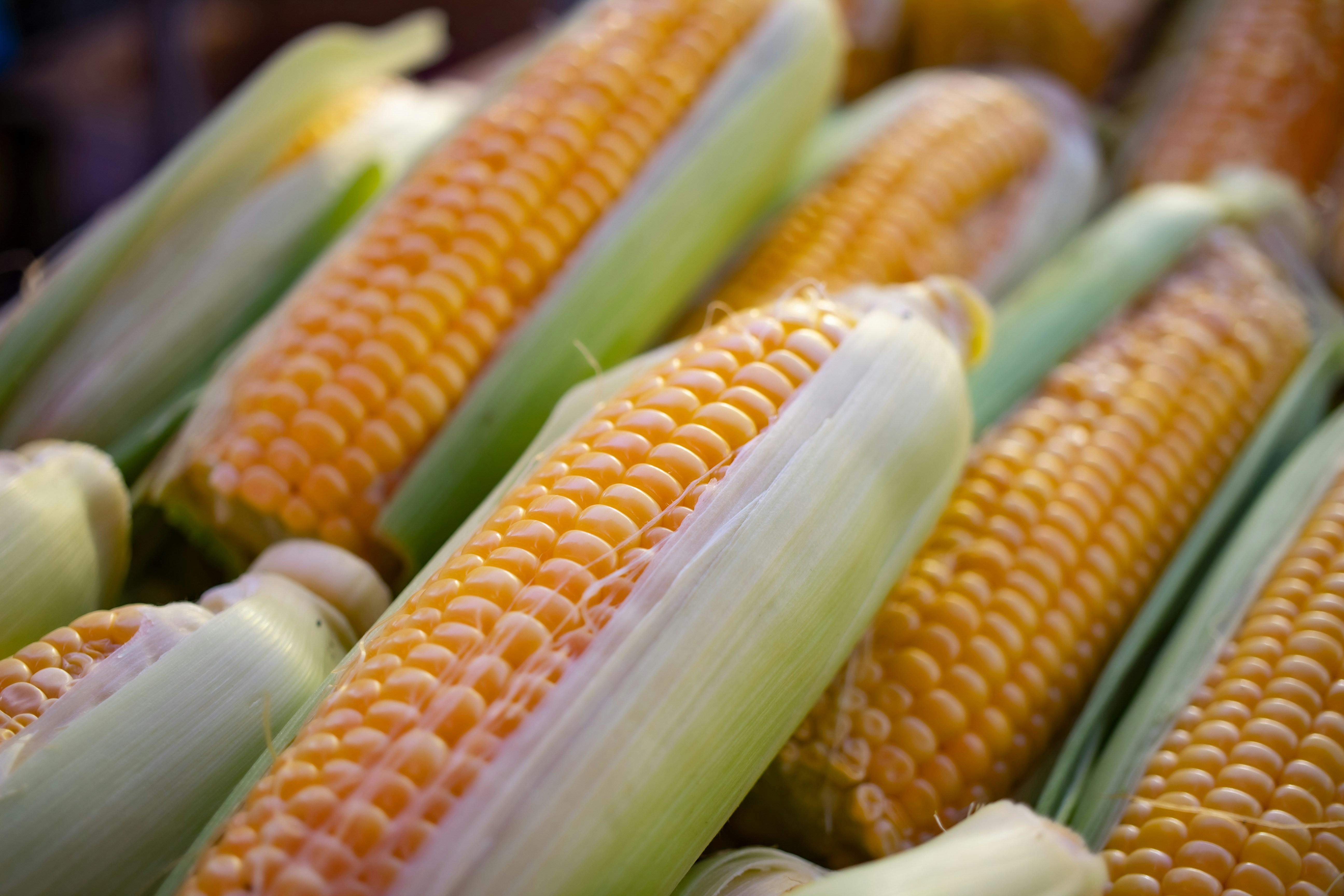
The optimization of corn processing techniques involves a series of trade-offs and influencing factors that can significantly affect overall yield improvement.Various processing methods, including dry milling, wet milling, and fermentation, present unique mechanisms and performance metrics. For example:
- Dry Milling: This method primarily focuses on the production of corn flour, meal, and distillers dried grains. Its efficiency is influenced by the kernel hardness and moisture content, with optimal yield achieved through proper temperature management during milling.
- Wet Milling: This technique extracts starch, oils, and proteins from corn, providing a higher yield of valuable corn fractions. However,it requires a longer processing time and more meaningful water usage,which can impact operational costs.
- Fermentation: Utilized for bioethanol production, fermentation can convert starch into sugars, leading to high energy yields. The efficiency is dependent on factors like yeast strain, fermentation time, and temperature, which need precise control to optimize output.
When comparing these techniques, it is indeed essential to consider specific criteria such as energy consumption, product quality, and waste output. For example, the energy efficiency of wet milling is generally lower due to the high water and chemical use but yields higher quality products, while dry milling boasts lower environmental impact but may sacrifice some yield and quality. Limitations such as the maintenance of processing equipment and consistency in raw material quality also play a crucial role in the overall efficiency of these methods. A side-by-side comparison of yield and quality outputs for each technique is shown in the table below:
| Processing Method | Yield (%) | Quality Rating (1-10) | Energy Consumption (kWh/ton) |
|---|---|---|---|
| Dry Milling | 80 | 7 | 150 |
| Wet Milling | 90 | 9 | 200 |
| Fermentation | 85 | 8 | 180 |
Making informed decisions about selecting the appropriate processing technique requires careful consideration of these factors. For instance, processors aiming for high-value end products may favor wet milling despite higher costs, while those focused on maximizing throughput may choose dry milling.Ultimately, the decision will depend on specific operational goals, available resources, and market demands.
Wrapping Up
the landscape of corn processing is as rich and complex as the crop itself, offering a myriad of opportunities for enhancement through the application of cutting-edge methodologies and a keen understanding of performance metrics. As we’ve explored throughout this analysis, optimizing the yield and ingredient quality of corn hinges on a delicate interplay of technical precision and strategic decision-making.
From innovative processing techniques to the careful assessment of influential decision factors, each element plays a crucial role in shaping the final product. by embracing a holistic approach—one that marries science with practical application—stakeholders can not only meet but exceed the demands of an ever-evolving market.
Looking ahead, the promise of optimized corn processing is not just a pathway to higher yields, but a commitment to sustainability and quality that echoes through every kernel.As we cultivate our understanding of these methodologies and metrics, we pave the way for a future where corn processing continues to flourish, fostering advancements that will echo across the agricultural landscape for generations to come.