In an era where sustainability and profitability are increasingly intertwined, the agricultural landscape is undergoing a profound conversion. At the heart of this shift lies the humble grain: rice, the staple that feeds over half the world’s population.As global challenges such as climate change and resource scarcity loom, modern rice processing plants are stepping into the spotlight as pioneers of innovation and efficiency. “Beyond the Grain” explores how thes state-of-the-art facilities are not merely mechanisms of production, but catalysts for redefining the relationship between agricultural practices and environmental stewardship.By leveraging cutting-edge technology and sustainable practices, they are cultivating a future where the dual goals of high yields and ecological integrity are not just compatible, but symbiotic. Join us as we delve into the intricate dance of modern rice processing, revealing how these plants are reshaping not only the industry but also the very fabric of our food systems.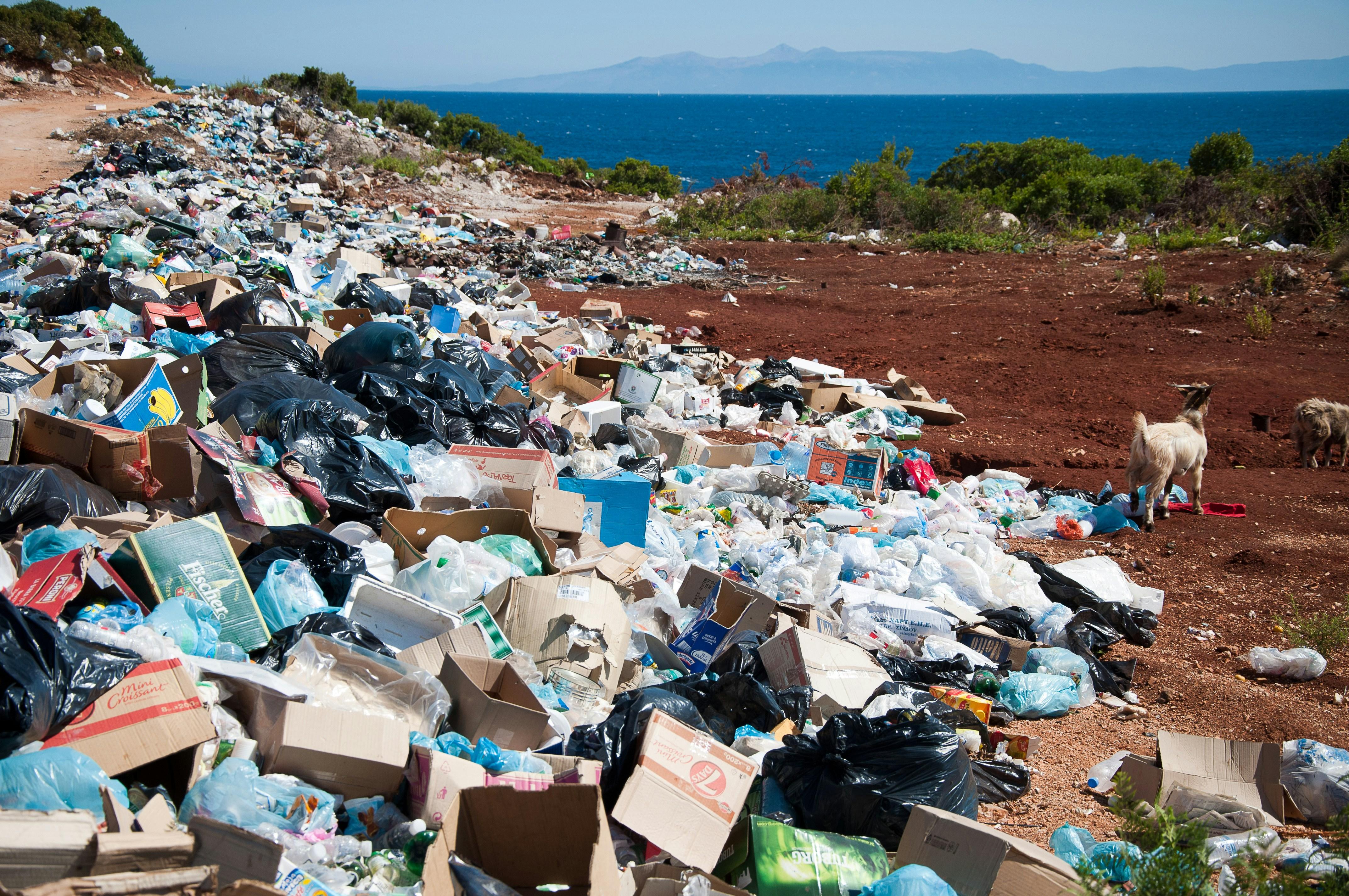
Reimagining Waste: The Untold Environmental Costs of High-Tech Rice Processing
High-tech rice processing plants have undoubtedly revolutionized productivity, yet this innovation comes with a series of environmental challenges that are often glossed over. While the efficiency of modern processing techniques can lead to a higher yield and reduced time in production, the untold costs emerge when we consider waste generated through the entire process.For instance,a significant portion of the rice husk—estimated at over 20% of the weight—is often discarded or burned,contributing to carbon emissions and air pollution. In contrast,the potential for utilizing rice husk in bioenergy production,composting,or other valuable applications remains largely untapped. This oversight not only diminishes the sustainability agenda but also overlooks opportunities for creating a circular economy around rice production.
Moreover, the reliance on high-tech machinery can exacerbate local environmental issues through increased energy consumption and reliance on water-intensive practices. Indeed,while fully automated systems promise higher efficiency,they often ignore the ecological footprint associated with their energy demands and procurement. Stakeholders must therefore weigh the trade-offs between immediate productivity gains versus long-term sustainability. A balanced approach may include implementing cleaner energy solutions, like solar power, for processing operations and investing in innovative technologies that minimize waste generation. As an example, using advanced drying methods can substantially reduce water use while lowering energy consumption, thus achieving a dual focus on efficiency and sustainability. As advocates for a responsible agricultural future, the sector must challenge conventional assumptions about what constitutes ‘progress’—favoring holistic sustainability over mere technological advancement.

Profit vs. Planet: Evaluating the Long-Term Impacts of Industrial Agriculture Shifts
The intersection of profit and environmental sustainability in industrial agriculture reveals critical insights that challenge traditional paradigms. Although many assume that increased productivity always translates to higher profitability, this notion falters against the realities of ecological and social costs. Long-term profitability must account for factors such as:
- Resource Depletion: Excessive water and soil use can degrade primary agricultural assets, leading to reduced yields over time.
- Ecosystem Impact: Monoculture practices frequently enough disrupt local biodiversity, inferring costs that are not directly reflected in immediate profit margins.
- Regulatory pressures: Growing environmental regulations could impose additional costs on businesses not adapting to sustainable practices, impacting the bottom line.
While moving towards sustainable practices may incur upfront investment for modern rice processing plants, the potential for long-term gains is significant. Companies should consider leveraging innovative technologies such as precision agriculture and waste recycling initiatives, which can turn initial expenditures into downstream cost savings and revenue generation. As an example, investments in bioenergy production from rice husks can yield:
| Benefit | Description |
|---|---|
| Energy Savings | Reduced energy costs by generating on-site energy. |
| Improved Soil Health | Enhanced nutrient returns from biochar applications. |
| Market Differentiation | Premium pricing for sustainably-produced products. |
Balancing profitability and planetary health is not just a trade-off but a strategic necessity in the evolving agricultural landscape. Stakeholders must embrace a holistic view that considers the lifetime value of resources and community relationships in an increasingly conscious consumer market, ensuring that agriculture can thrive both economically and ecologically.
Beneath the Surface: The Hidden Trade-Offs of Sustainable Practices in Rice Production
In the pursuit of sustainable rice production, the narrative often champions environmentally pleasant practices while glossing over the intricate trade-offs involved. For instance, while adopting organic fertilizers can reduce chemical runoff, it may require more frequent application and larger land areas to achieve the same yield as synthetic alternatives.This brings into question the essential assumption that organic is always better. A nuanced examination reveals that while organic methods enhance soil health, they also have the potential to decrease short-term profitability for farmers who cannot afford the transition period. Thus, pursuing sustainability in rice production necessitates a delicate balance between long-term ecological benefits and immediate economic realities.
Moreover, technological advancements in rice processing can enhance sustainability but may inadvertently create new challenges. Modern mills often implement energy-efficient practices, which reduce carbon footprints; however, the initial capital investment can be prohibitive. This raises crucial questions regarding who bears the financial burden: the producers, processors, or consumers? A balanced approach suggests a collaborative model where industries provide farmers with affordable technology options, enhancing both profitability and environmental stewardship. In this light, stakeholders must critically assess their priorities; focusing solely on production volume risks leading to unsustainable practices, while neglecting profitability undermines the willingness to adopt innovative strategies. Consider the following trade-offs:
| Practice | Sustainability Benefits | Potential Trade-Offs |
|---|---|---|
| Organic Farming | Reduced chemical usage, improved soil quality | Lower yields, costly transition |
| Energy-Efficient Processing | Lower carbon emissions, resource conservation | High initial cost, loss flavors in some processes |
Ultimately, the path to sustainable rice production is not merely about adopting best practices; it requires an informed and multifaceted approach to ensure that these strategies remain economically viable while achieving their environmental goals. Stakeholders must foster open dialogues to identify pain points within supply chains, creating incentives for sustainability without compromising the financial health of the agricultural ecosystem.
Beyond Efficiency: Rethinking Agricultural Innovation through a Sustainability Lens
In the quest for enhanced productivity, the agricultural sector often prioritizes efficiency at the expense of sustainability. However, modern rice processing plants are beginning to challenge this paradigm by integrating sustainability into their core operations. This approach necessitates a multidimensional strategy that considers not only the economic implications of agricultural innovations but also their environmental and social impact. For instance, the adoption of renewable energy sources in processing facilities can reduce carbon footprints and operational costs while improving resilience against energy market fluctuations. Some critical factors to consider include:
- Water Management: Implementing advanced irrigation and water recycling technologies can significantly reduce water usage and mitigate soil salinity issues.
- Waste Minimization: By-products from rice processing can be utilized for bioenergy production or converted into organic fertilizers, promoting a circular economy.
- Community Engagement: Collaborating with local farmers to develop sustainable practices fosters trust and enhances social equity, ultimately leading to more resilient farming communities.
To truly redefine agricultural innovation, there must be a balanced trade-off between profit margins and sustainable practices. This necessitates a shift in mindset away from viewing sustainability as a cost and towards seeing it as an investment in long-term viability.For example, while the initial capital outlay for deploying green technologies may be substantial, the return can manifest in terms of reduced operational costs and increased consumer demand for sustainably sourced products.Moreover, leveraging data analytics can streamline operation efficiencies, revealing previously unnoticed opportunities for both sustainability and profitability. In this evolving landscape, businesses should prioritize innovative partnerships with tech providers and agricultural experts, enabling them to navigate the complex path of sustainable advancement while remaining profitable in an increasingly conscientious market.
Insights and Conclusions
As we traverse the intricacies of modern rice processing, it becomes evident that the journey extends far beyond the fields of golden grains swaying in the breeze. today’s processing plants are not merely hubs of production; they are vibrant ecosystems where innovation meets sustainability, crafting a new narrative for agriculture. By embracing advanced technologies and sustainable practices, these facilities are redefining what it means to cultivate profit while nurturing the planet.
The implications of this transformation ripple through entire communities, fostering a symbiotic relationship between farmers, consumers, and the environment. As we look to the future, the lessons learned from the rice industry offer valuable insights into the broader agricultural landscape. it’s a reminder that the quest for sustainability is not an endpoint but rather an ongoing journey of adaptation and resilience.
In redefining how we approach the cultivation and processing of food, we open the door to a more harmonious existence with nature. Let us take inspiration from the strides made in rice processing and continue to explore innovative ways to ensure that agriculture thrives in balance with the ecosystems that sustain us. After all, in the grains of our past lies the potential for a sustainable future.