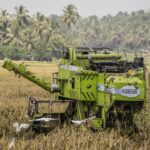
In an era were efficiency reigns supreme, the cereal milling industry stands at the crossroads of innovation and tradition. As the backbone of grain processing, the precision with which cereals are milled can considerably influence not only the quality of the final product but also the sustainability and profitability of the entire supply chain. This article delves into the intricate world of cereal milling, where every adjustment, metric, and specification plays a pivotal role in achieving optimal results. By analyzing the crucial performance indicators and process efficiencies that define modern milling techniques,we aim too uncover the secrets behind prosperous grain processing. Join us as we explore the confluence of technology and craftsmanship, highlighting how precision drives the future of cereal milling while preserving the integrity of one of humanity’s oldest trades.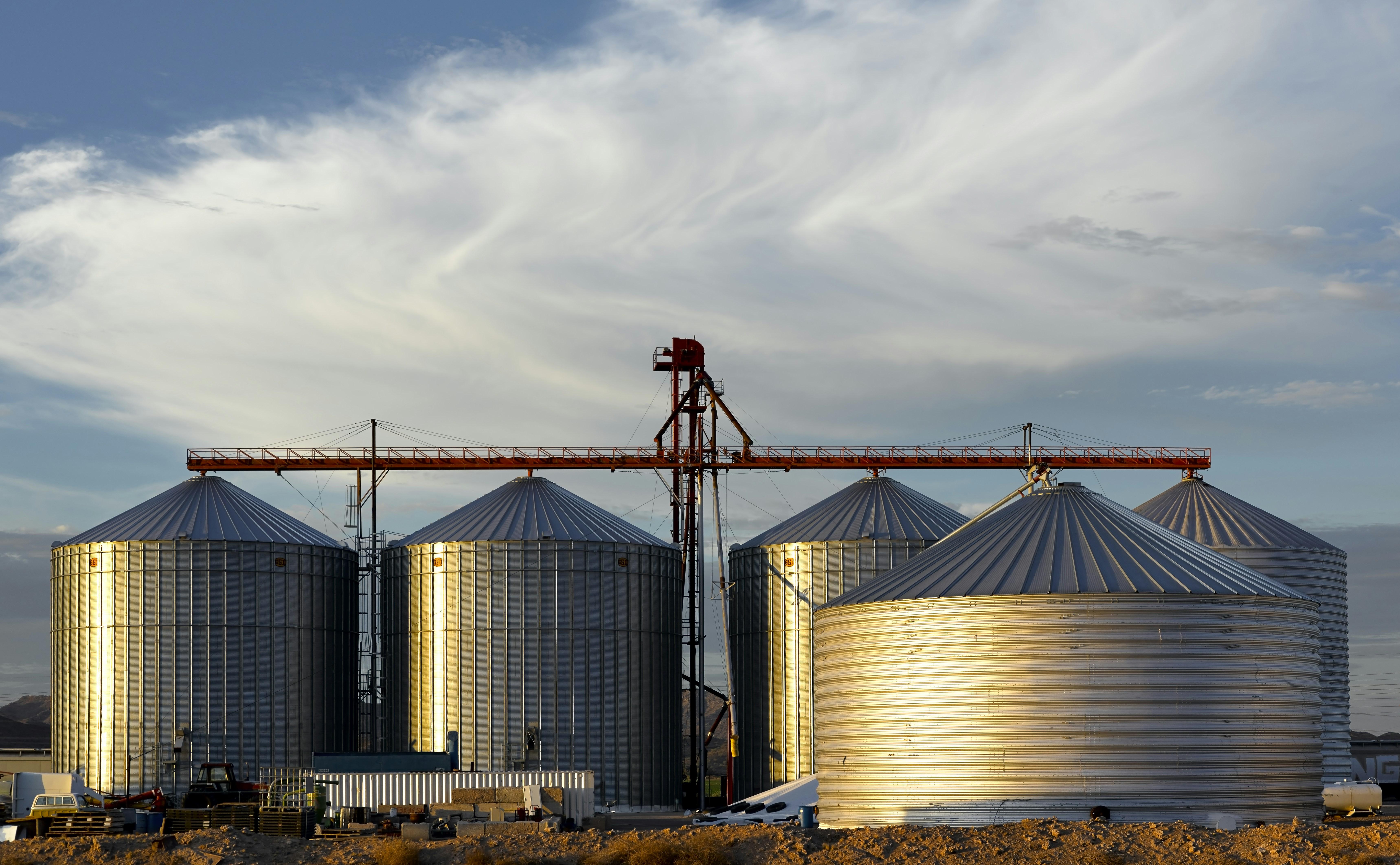
Elevating Grain Processing Standards through Precision Engineering Insights
Precision engineering plays a pivotal role in enhancing grain processing standards, particularly in cereal milling, where even marginal improvements can yield significant benefits in efficiency and product quality. Key mechanisms instrumental in this transformation include advanced grinding techniques and laser alignment technology. For instance,utilizing diamond grinding wheels not only increases the sharpness of the cutting edges but also minimizes energy consumption during the milling process. Additionally, laser alignment technology allows for precise calibration of milling equipment, ensuring that rollers and screens are perfectly aligned.This level of precision directly correlates with reduced operational variability, ultimately enhancing extraction rates, which can exceed 72% in optimal conditions as evidenced by recent studies conducted at leading milling facilities.
- Performance Metrics:
- Extraction Rate: A measure of the amount of flour extracted from a set quantity of grain, which serves as a direct indicator of milling efficiency.
- Particle Size Distribution: Regular assessment ensures that the flour meets the specified fineness, influencing both baking properties and shelf life.
- Energy Consumption: Monitoring kWh per ton of processed grain reveals insights into operational efficiency and cost-effectiveness.
- Specifications:
Specification Typical Value Granulation Standard 200-300 microns Moisture Content 13-14% for optimal storage Ash Content < 0.5% for high-quality flour
Though, grain processors must also account for the limitations of whatever precision engineering systems they adopt. The integration of advanced technologies can incur high initial costs and requires comprehensive staff training to ensure users can effectively harness the tools’ capabilities. Moreover, factors such as grain variability—reflected in differing moisture content and kernel hardness—can complicate the predictability of outcomes in milling processes. While automation can enhance production rates by up to 30%, continuous monitoring of these variables is essential to maintaining optimal performance and ensuring consistency in final product quality. Ultimately, a comprehensive approach utilizing precision engineering insights, coupled with a clear understanding of engineering specifications and performance factors, can lead to considerable advancements in cereal milling, paving the way for increased profitability and sustainability in grain processing.

Deciphering the Interplay Between Milling Specifications and Optimal Cereal Quality
understanding how milling specifications interact with cereal quality is crucial for optimizing grain processing. Milling specifications encompass a variety of parameters, including roller gap settings, milling sequences, and energy input, each playing a pivotal role in defining the characteristics of the final product. A well-calibrated roller gap, as a notable example, affects the size reduction of grains, influencing the extraction rate of flour. The relationship between roller gap width and flour particle size is critical; narrower gaps yield finer particles that can improve the baking quality due to enhanced starch gelatinization. However, finer milling can also elevate heat generation, imposing a risk of denaturing sensitive compounds such as proteins and enzymes that are vital for fermentation in applications like bread making. Thus, the interplay between roller gap and product quality must be carefully balanced.
Additionally, various performance metrics are employed to analyze outcomes linked to specific milling settings. The extraction rate, measured as the percentage of flour produced from the original grain weight, is a key indicator of efficiency. For instance, a high-quality milling process typically aims for an extraction rate of 70-75% for bread wheat, which ensures adequate nutrient retention while maximizing yield. Furthermore, grit retention and the emergence of fine dust particles need to be meticulously monitored, as excessive grit not only hampers end-product quality but may also lead to operational inefficiencies by causing wear and tear on milling equipment. Other factors to consider include the moisture content of grain prior to milling and the temperature of the milling environment, both of which can significantly impact the physical and rheological properties of the final product. Recognizing these interdependencies allows millers to make informed decisions that enhance both the efficiency of the milling operation and the overall quality of the cereal output.

Performance Benchmarks and Process Innovations: A Deep Dive into Cereal Milling Efficiency
The efficiency of cereal milling hinges on a variety of performance benchmarks that dictate the throughput and quality of the final product. key performance indicators (KPIs) include:
- Milling Yield: The percentage of whole grain retained as flour or meal.Optimal yields are typically around 70-75% for premium milling processes.
- Energy consumption: Measured in kWh per ton of processed grain, where higher efficiency typically correlates with values below 30 kWh/ton in advanced milling operations.
- Extraction Rate: The amount of flour produced relative to the grain weight, aiming for extraction rates around 70% for white flour.
Crucially, the implementation of innovations such as automated monitoring systems enhances process precision. These systems rely on real-time data analytics to adjust milling parameters, reducing waste and improving consistency. For example, innovations like roller mill designs with variable gap adjustments allow for targeted milling, optimizing the grist size distribution and improving extraction rates. Though, such advancements come with limitations; installation costs and the complexity of operation can hinder adoption, particularly in small-scale operations. Additionally, factors such as moisture content in grains (which should ideally be between 12-14%) and the uniformity of grain size significantly influence the overall efficiency of the milling process.

Material Selection and Structural Integrity: Pillars of Precision in Cereal Milling Operations
In cereal milling operations, the selection of materials for both equipment and the end product is crucial. The materials must withstand the mechanical stresses associated with grinding, sieving, and refining processes, while also maintaining integrity under varying temperatures and moisture conditions. Key criteria for material selection include:
- Durability: Components like rollers and hammers are often made from high-density steel or tungsten carbide to resist wear over extensive periods.
- Corrosion Resistance: Stainless steel or specialized coatings may be required for components in contact with moist grains to prevent oxidation.
- Hygienic Properties: Materials need to be non-porous and easy to clean to comply with food safety standards.
The structural integrity of milling equipment directly impacts overall process efficiency and product quality. For instance, the use of Finite Element Analysis (FEA) in the design phase helps identify stress concentrations that could lead to failure, allowing for the optimization of component shapes and materials. A well-engineered mill can accommodate variations in grain moisture content—typically ranging from 12% to 14%—by adapting grinding forces, thereby maintaining uniform particle size and reducing energy consumption. Conversely, limitations in material resilience can result in frequent breakdowns and increased maintenance costs. A comparative analysis of shear and compressive strengths in different milling apparatuses shows that even minor variations can lead to significant differences in throughput and energy inputs, underscoring the importance of targeted material choice based on specific operational parameters.
Key takeaways
In the intricate world of cereal milling, precision is not merely a goal but a fundamental principle that underpins the efficiency and efficacy of grain processing. Throughout this exploration,we have delved into the essential metrics and specifications that define optimal performance in milling operations. From the intricacies of machinery calibration to the critical importance of process monitoring, each element plays a pivotal role in ensuring that the end product meets the highest standards of quality.
As the cereal milling industry continues to evolve with advancements in technology and consumer demand, the pursuit of precision will remain paramount. It is this commitment to excellence that enables millers to adapt to changing market dynamics while minimizing waste and maximizing yield.
understanding the nuanced interplay between process efficiency and performance metrics will empower stakeholders—be it mill operators, agricultural producers, or industry innovators—to make informed decisions that foster not only operational success but also contribute to lasting practices within grain processing. In an era where every grain counts, precision in milling is not just an aspiration; it is the cornerstone of industry progress. Let us embrace this journey towards optimal grain processing,where every step taken is a step towards a more refined and resilient future in cereal production.