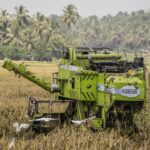
In the world of agriculture adn food production, rice stands as a cornerstone of sustenance, feeding billions and cementing its status as a staple grain. Yet, the journey from paddy field to plate is often fraught with challenges, especially for small-scale farmers and processors. Enter the mini rice milling machine—an innovative solution that promises to transform the landscape of rice processing. With its compact design and impressive efficiency, this breakthrough technology is not only enhancing productivity but also empowering local economies. As we delve into the myriad ways mini rice milling machines are unlocking efficiency, we’ll explore the profound impact they have on small-scale rice processing, driving sustainability, and nurturing a brighter future for communities around the globe. Join us as we uncover the revolution quietly taking root in rice fields, one mill at a time.
Exploring the Basics of Mini Rice Milling machines and Their Role in Small-Scale Processing
Mini rice milling machines are compact and efficient devices designed specifically for processing paddy rice into market-ready rice. These machines are ideal for small-scale farmers and entrepreneurs, allowing them to mill rice in-house and retain more profit by cutting out middlemen. The basic functionality of these machines involves several stages, including husking, whitening, and polishing, wich ensure that the final product meets consumer quality expectations. Typically,a mini rice mill comprises essential components such as:
- Husker: Removes the outer husk from the paddy.
- Classifier: Separates brown rice from unhusked paddy.
- Whitening Chamber: Polishes brown rice to achieve a smooth appearance.
- polisher: Further enhances the whiteness and quality of the rice.
Investing in a mini rice milling machine offers numerous benefits. For one, it significantly reduces labor costs and milling time compared to traditional methods. Additionally, it lowers transportation costs since processing is done on-site. The flexibility and compact size of these machines mean they can easily fit into small workshops or farms. A detailed comparison between various models can help in making informed choices; features may include milling capacity,power requirements,and ease of maintenance. For instance, machines that operate on solar energy can be particularly advantageous in regions with inconsistent electricity supply. When considering a purchase, it’s essential to evaluate factors such as:
| Feature | Importance |
|---|---|
| Milling Capacity | Determines daily output relative to business needs. |
| Power Source | Impacts operational costs, especially in remote areas. |
| Ease of Use | Minimizes training requirements and improves efficiency. |
By evaluating these factors, small-scale processors can select a mini rice milling machine that aligns precisely with their operational needs, ensuring a boost in productivity and profitability.

The Transformative Benefits of Mini Rice Milling Machines for Local Farmers and Communities
Mini rice milling machines are designed to make rice processing efficient and accessible for smallholder farmers, addressing several key challenges faced in traditional milling. These machines operate on a smaller scale,allowing local farmers to process their rice instantly post-harvest,which minimizes post-harvest losses and significantly enhances the quality of the rice. The benefits include:
- Cost-Effectiveness: Mini machines are generally cheaper to purchase and maintain compared to larger commercial mills, making them a viable option for small-scale farmers.
- Improved Efficiency: With faster milling processes,these machines reduce the time taken for processing,allowing farmers to bring their product to market more quickly.
- Enhanced quality: Modern milling technologies included in these machines ensure higher milling rates and superior rice quality,which can command better prices in the market.
Additionally,mini rice milling machines positively impact local communities by fostering economic advancement. As farmers gain the ability to mill their rice locally, they retain more value within their community, creating jobs related to processing, marketing, and distribution. this local milling minimizes dependency on distant industrial mills, which often involve transportation costs and delays. A comparison of productivity might reveal that larger mills typically have efficient production capacities; however,when local proximity and community benefits are factored in,mini machines stand out as a sustainable option. Investing in mini rice milling technology not only serves to enhance personal profits for individual farmers but also creates a ripple effect that uplifts the entire community.
Common Misconceptions About Mini Rice Milling: What You Need to Know Before investing
One prevalent misconception about mini rice milling machines is that they are only suitable for very small operations with minimal production needs. While they are indeed ideal for small-scale farmers or local millers, modern mini rice milling machines are designed with versatility in mind, accommodating varying production volumes without sacrificing efficiency. they can handle anywhere from a few hundred kilograms to several tons of rice per hour, depending on the model. This flexibility allows even medium-sized operations to thrive, reducing dependence on large commercial milling facilities.
Another common misunderstanding is that investing in mini rice milling equipment requires significant technical expertise. In reality, many modern machines come equipped with user-kind controls and automated features, which simplify the milling process. Additionally, manufacturers frequently enough provide comprehensive training and support, making it easier for users to get started.It’s essential to research reputable suppliers who offer reliable machines and customer service. Potential buyers should consider factors such as milling efficiency,maintenance requirements,and after-sales support before making a decision. Here’s a quick comparison table to clarify some essential aspects:
| Feature | Mini Rice Mill | Large Commercial Mill |
|---|---|---|
| Initial Investment | Lower | Higher |
| Output capacity | Flexible, from low to moderate | High, stable production |
| Maintenance | Easy, user-friendly | Complex, may require specialists |
Navigating Your Options: Key Factors for Choosing the Right Mini Rice Milling Machine
When it comes to selecting the ideal mini rice milling machine, several key factors can significantly impact your decision-making process. First and foremost, consider the capacity of the machine.This refers to the volume of rice that can be processed per hour, which can range from 100 kg/hour for small models to over 500 kg/hour for more advanced options. Matching the machine capacity to your production needs is essential to ensure efficiency without over-investing.Additionally, look into the milling efficiency, which reflects the quality of the output grain. Efficient machines minimize broken rice and maximize head rice yield,impacting both the profitability and marketability of your product.
Another critical aspect is the design and ease of operation. Many mini rice milling machines come with user-friendly interfaces and features that simplify operation, maintenance, and cleaning. Consider machines that offer features such as automatic feeding systems and integrated husk separation to reduce manual labor. Moreover, it’s worth comparing costs not just in terms of purchase price but also concerning energy consumption and maintenance requirements, as long-term operational costs can greatly influence profitability. Here’s a handy comparison table to guide you in assessing mini rice milling machines:
| Feature | Importance | Considerations |
|---|---|---|
| Capacity | production needs | Match to demand |
| Milling Efficiency | Quality of output | Affects profitability |
| Design & Operation | Ease of use | Minimize labor involvement |
| Energy Consumption | Operational costs | Budget planning |
By considering these factors, you can make an informed choice that aligns with your production goals and budget while enhancing the efficiency of your rice processing venture.
Closing Remarks
the advent of mini rice milling machines marks a transformative shift in small-scale rice processing, ushering in a new era of efficiency and accessibility. These compact powerhouses not only streamline the milling process but also empower local farmers and entrepreneurs by reducing costs and increasing productivity. As we embrace the technology that nurtures agricultural innovation, we also pave the way for enhanced food security and economic growth in rural communities.By harnessing the potential of these machines, we are not just unlocking the secrets to efficient rice processing; we are also unlocking new opportunities for a sustainable future. The journey of rice from field to table becomes smoother, more equitable, and undeniably more viable for generations to come. As we look ahead, it is clear that the revolution in rice milling is just beginning, and its impact will resonate far beyond the borders of small farms and community mills.