In the heart of agricultural innovation lies a humble staple that has nourished civilizations and shaped cultures: rice. As the world grapples with the challenges of feeding a growing population amid climate change and resource scarcity,the spotlight is shifting to the technologies that elevate this ancient grain from mere sustenance to a beacon of economic potential. Enter the era of innovative rice processing machines—remarkable feats of engineering that are not only streamlining production but also enhancing quality, sustainability, and profitability. In “From Grain to Gold,” we delve into how these cutting-edge technologies are reshaping global agriculture, transforming traditional farming practices, and unlocking new opportunities for farmers around the globe. Join us on a journey through this agricultural revolution, where each grain of rice is imbued with the promise of prosperity and progress.
Reaping what We Sow: The Unseen Economic Impact of Modern rice Processing Technologies
The economic ramifications of modern rice processing technologies extend far beyond the immediate benefits of enhanced yield and quality. By adopting advanced machinery, farmers and agribusinesses are not just improving their bottom line; they are reshaping entire agricultural ecosystems. However, this transformation invites scrutiny of traditional practices, which often relied on manual labor and lower overhead.The adoption of automated processing systems presents critical trade-offs:
- Labor Displacement: While mechanization boosts efficiency, it may lead to significant job losses, particularly in regions where traditional farming practices dominate.
- Cost-Benefit Analysis: Significant upfront investment is required for these technologies, and not all smallholder farmers might potentially be able to recoup their investments within a feasible timeframe.
- Supplier dependence: Many innovative processing solutions come from external suppliers, perhaps increasing farmers’ vulnerability to market fluctuations and supply chain disruptions.
Nevertheless, the strategic implementation of these technologies can create a ripple effect, generating unprecedented economic opportunities. As an example, by upgrading processing capabilities, communities can foster value-added products that command higher market prices, such as rice bran oil or specialty rice varieties. Furthermore, enhancing rice quality through precision machinery shifts consumer perceptions and preferences, enabling producers to enter higher-value markets. To maximize these benefits, stakeholders should consider a tailored approach that includes:
| Recommendation | Rationale |
|---|---|
| Implement Training Programs | Equipping farmers with skills to manage new technologies reduces labor displacement and maximizes productivity. |
| Develop Cooperative Models | pooling resources can mitigate initial costs and foster shared access to advanced machinery. |
| Focus on Sustainable Practices | Sustainable methods in processing reduce environmental impacts and appeal to conscious consumers, widening market reach. |
Through such nuanced strategies, the unseen economic impact of rice processing technologies can be harnessed for long-term gains, ensuring that innovation serves as a catalyst for inclusive growth rather than a source of division or risk.
Beyond the Hype: Evaluating the Environmental Costs of Innovative Rice Machinery
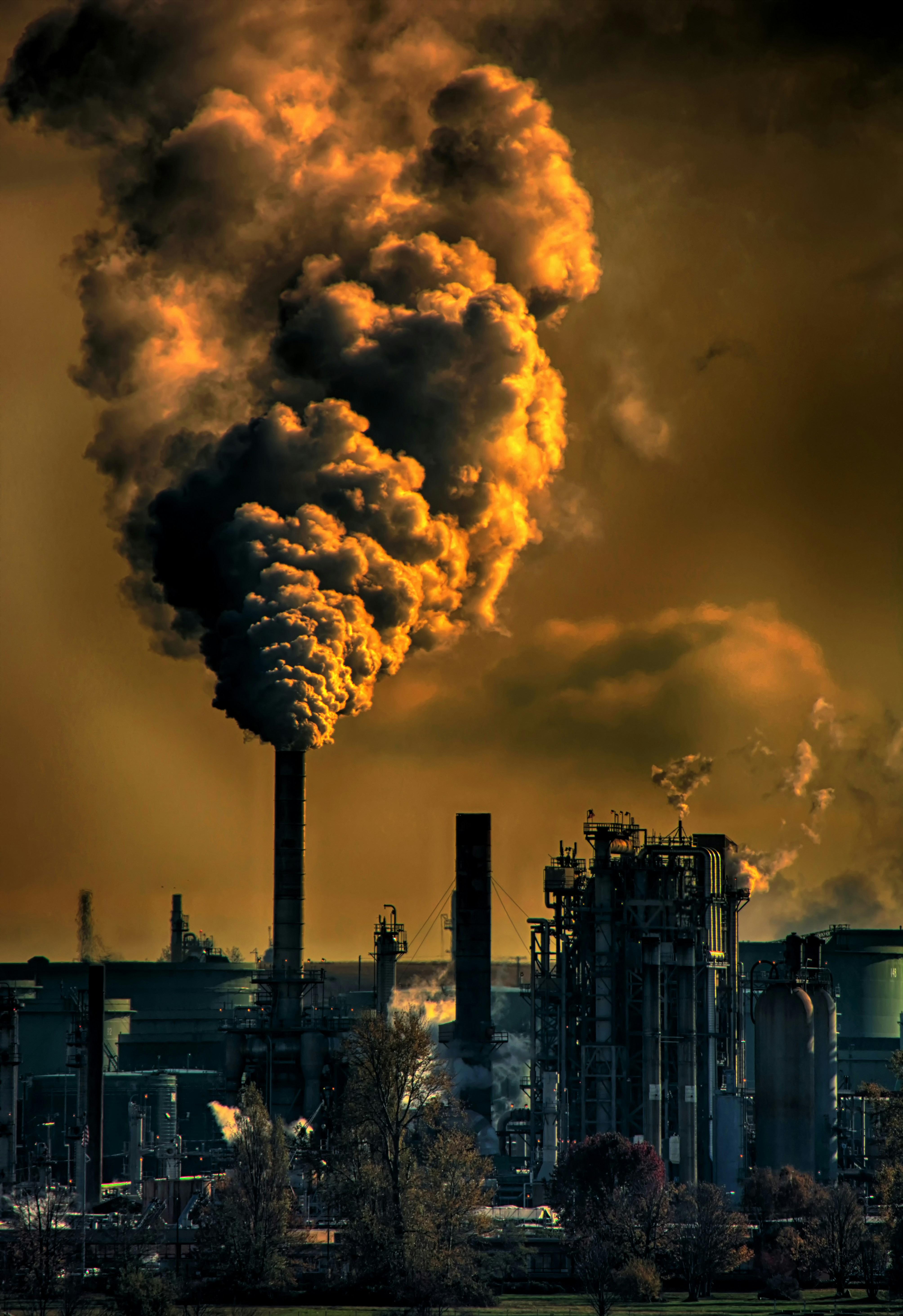
As the allure of innovative rice machinery captivates stakeholders in agriculture, it is imperative to critically assess the hidden environmental costs that often accompany these advancements. Adopting state-of-the-art rice processing machines can dramatically increase productivity; however, such gains may also lead to significant ecological repercussions. Notably, the energy demands of these machines can escalate greenhouse gas emissions if they rely on fossil fuels. Moreover, the production and disposal of high-tech equipment contribute to a cycle of e-waste that poses challenges beyond immediate agricultural efficiency. The following points elucidate essential trade-offs to consider:
- Energy Consumption: Many innovative machines may boost output but are heavily energy-intensive, which can negate environmental benefits unless sourced from renewable energy.
- Water Usage: Advanced processing often leads to increased water consumption, exacerbating issues in regions where water scarcity is already a pressing concern.
- Soil Health: Heavy machinery can lead to soil compaction, adversely impacting long-term soil health and biodiversity.
Moreover, while mechanization can curtail labor needs and mitigate workforce challenges, it is indeed counterproductive without integrating sustainable practices. Instead of blindly adopting the latest technology, farmers and industry stakeholders should adopt a phased approach, where the adoption of machinery aligns with thorough environmental assessments. This can be achieved by:
- Investing in Renewable Energy: Prioritize machinery that operates on solar or wind energy to minimize carbon footprints.
- Utilizing Smart Technology: Leverage AI and IoT to optimize machine use, thereby balancing output with environmental sustainability.
- Conducting Life Cycle Analyses: Engage in thorough evaluations of machinery from production through disposal to ensure a holistic approach to sustainability.
Feeding the Future: Navigating the Trade-Offs Between Efficiency and Sustainability in Rice Production
In the quest for increased rice production, the dialog frequently enough oscillates between the scales of efficiency and sustainability. Many stakeholders assume that the pursuit of high yields inherently necessitates the use of chemical fertilizers and pesticides, leading to harmful environmental implications. Though, this binary thinking can be misleading. Innovations in rice processing machinery, particularly in precision agriculture, illustrate that it is indeed possible to cultivate rice with reduced chemical inputs while maintaining — or even boosting — productivity. For instance:
- Precision submission technology can minimize the overuse of fertilizers, significantly decreasing runoff and soil degradation.
- Biotechnological advancements enable the development of pest-resistant rice varieties, reducing reliance on harmful pesticides.
- data analytics and IoT-enabled devices afford farmers real-time insights into soil health and crop needs, promoting more strategic decision-making.
The challenge lies in understanding the local contexts. Regions heavily reliant on traditional farming practices may need a slower transition to these technologies to prevent disruption of established systems.
Trade-offs become evident when considering the economic aspects of implementing innovative machinery against sustainability goals.Initial investment costs for advanced processing units may deter smallholder farmers, who fear higher financial risks over routine farming methods. Though, a nuanced outlook reveals that long-term savings due to reduced labor costs and lower input expenditure can significantly enhance profitability. To bridge this gap, a tiered solution framework can be recommended:
| Investment Level | Type of Machinery | Expected Outcomes |
|---|---|---|
| Low | Manual processing tools | Improved immediate efficiency |
| Medium | Hybrid mechanized systems | Scaled production levels with moderate input |
| High | Fully automated processing units | Maximized yield with minimal labor and lower long-term costs |
By fostering access to financing options and technical training, we create a sustainable pathway towards more efficient rice production without sacrificing ecological integrity. Such an approach not only supports the farmers economically but also champions global food security as rice remains a staple for billions worldwide.
Decoding Progress: How Technological Advances in Rice Processing Challenge Traditional Farming Wisdom
The landscape of rice processing is undergoing profound transformation due to technological advancements, prompting a reevaluation of long-held farming wisdom. Traditionally, the process of transforming paddy into rice was dictated by age-old methods that emphasized manual labor and adherence to local practices. However,as innovative machinery gains traction,several assumptions about rice cultivation and processing are being challenged. For instance:
- Quality vs. Quantity: The rise of automated milling equipment enables farmers to focus on achieving higher grain quality rather than merely maximizing yield. This shift can redefine market dynamics, where premium quality can command significantly better prices, challenging the age-old belief that higher quantities are inherently more profitable.
- Labor Dependency: While many assume manual labor is the backbone of rice farming, advanced processing technology allows for a reduction in labor reliance. This can elevate production efficiency; though, it may also displace traditional farming jobs, urging stakeholders to think critically about socio-economic implications.
- Precision Versus Tradition: Precision agriculture tools, which allow for data-driven decision-making regarding planting and harvesting, contest the notion that traditional, experiential knowledge is superior. Instead, an integrated approach that combines technological insights with local expertise may yield the most sustainable outcomes.
Moreover, these advancements reveal nuanced trade-offs that rice farmers must navigate. While innovations in processing machines can drive down costs and enhance safety, they also introduce complexities in maintenance and the need for technical skills that many smallholder farmers may lack. In this context, recommendations for stakeholders are essential. Investments in farmer education regarding modern equipment, alongside subsidies or cooperative models for shared technology investment, could alleviate barriers. Additionally, fostering partnerships between technology providers and local farming entities can ensure that advancements are tailored to grassroots conditions, preserving the essence of traditional farming while simultaneously embracing modernization. The crux of successfully decoding progress in rice processing lies in balancing tradition with innovation—not merely discarding the former for the latter, but discovering synergistic pathways that benefit all parties involved.
Future Outlook
As we close the chapter on this exploration of innovative rice processing machines and their transformative impact on global agriculture, it becomes clear that the journey from grain to gold is paved with ingenuity and forward-thinking. The advancements in technology not only promise greater efficiency and yield but also pave the way for sustainable practices that can empower farmers and enhance food security worldwide. Each machine, designed with precision and purpose, stands as a testament to human creativity and the relentless pursuit of enhancement in this essential sector.
As we look toward the future, it is essential to embrace these innovations while balancing the age-old traditions of agriculture that have sustained societies for generations. The synergy between cutting-edge technology and traditional wisdom may well hold the key to unlocking a new era in food production, where every grain harvested has the power to change lives and communities.
In this evolving landscape, let us remain vigilant and hopeful, supporting initiatives that prioritize both innovation and sustainability. After all, the story of agriculture is not just about crops; it is indeed about the people, the cultures, and the food systems that unite us all. The journey continues—one machine, one field, and one community at a time.