
In the bustling world of agriculture and food production, one often overlooked yet essential player is the rice mill plant. These sophisticated industrial facilities play a crucial role in the transformation of raw rice grains into the familiar staple that graces the tables of countless households around the world. Join us as we delve into the intricate workings of these grain game changers and explore the fascinating world of rice mill plants.
Heading 1: The Evolution of Rice Mill Plants: From Traditional to Modern Technologies
Rice mill plants have come a long way from their humble beginnings as traditional, labor-intensive operations to modern, efficient facilities that utilize cutting-edge technologies. The evolution of rice milling has revolutionized the industry, making it more sustainable, productive, and profitable.
With the advent of modern technologies such as automated sorting systems, computerized monitoring, and advanced machinery, rice mill plants can now process rice faster and with higher precision. These advancements have not only increased the overall output of rice production but have also improved the quality and consistency of the final product. The integration of technology into rice milling has paved the way for a more efficient and competitive industry that continues to evolve and innovate.
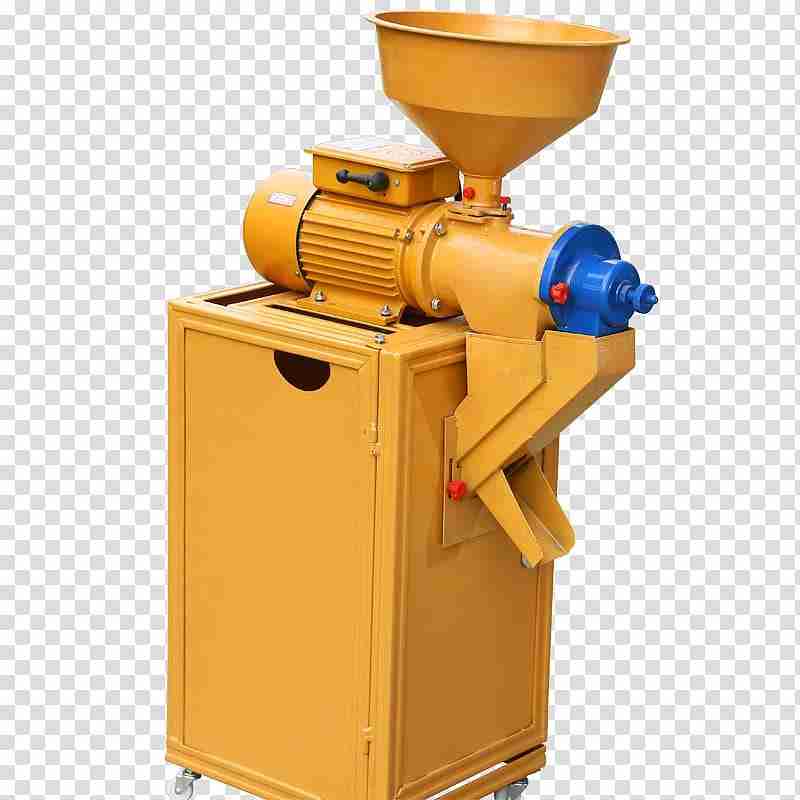
Heading 2: Key Components of a Successful Rice Mill Plant Setup
Rice mill plants are complex systems that require careful planning and execution to ensure success. There are several key components that are essential for a successful setup:
- Milling Equipment: High-quality milling machines are crucial for producing premium quality rice. The equipment should be efficient, durable, and easy to maintain.
- Storage Facilities: Proper storage facilities are essential for preserving the quality and freshness of the rice. Silos and warehouses should be designed to protect the rice from pests, moisture, and contamination.
- Quality Control: Implementing strict quality control measures is essential for maintaining consistent quality standards. Regular testing and monitoring of the rice throughout the milling process is crucial.
Furthermore, investing in skilled staff, adopting sustainable practices, and utilizing technology for automation and efficiency are also crucial components of a successful rice mill plant setup. By focusing on these key components, rice mill operators can ensure a smooth operation and produce high-quality rice that meets market demands.

Heading 3: Maximizing Efficiency and Quality: Best Practices for Operating a rice mill plant
When it comes to operating a rice mill plant, maximizing efficiency and quality is crucial for success in the competitive grain industry. To achieve optimal results, implementing best practices is essential. From sourcing high-quality rice grains to utilizing cutting-edge milling technology, there are various strategies that plant operators can employ to improve their operations.
One key best practice is to invest in state-of-the-art milling equipment that can effectively process rice grains while minimizing wastage. Additionally, optimizing the plant layout to streamline the workflow can help reduce production bottlenecks and increase overall efficiency. Regular maintenance of machinery and adherence to strict quality control measures are also important to ensure consistent product quality. By following these best practices and continually seeking ways to improve operations, rice mill plant operators can stay ahead in the grain game.
Heading 4: Sustainability in Rice Milling: Green Practices and Eco-Friendly Solutions
Rice milling is an essential aspect of food production around the world, with millions of tons of rice processed every year. However, the environmental impact of traditional rice milling practices can be significant. By implementing green practices and eco-friendly solutions in rice mill plants, we can work towards a more sustainable future for the industry.
Some eco-friendly solutions that can be implemented in rice milling plants include:
- Installing energy-efficient machinery
- Utilizing renewable energy sources like solar power
- Reducing water consumption through innovative technologies
By adopting these green practices, rice mill plants can minimize their carbon footprint and contribute to a healthier planet for future generations.
To Wrap It Up
As we conclude our journey into the fascinating world of rice mill plants, we hope you have gained a deeper understanding of the intricate processes involved in turning raw grains into essential food staples. From the initial cleaning and husking to the final milling and packaging, each step plays a crucial role in ensuring a high-quality product that meets the demands of consumers worldwide. As technology continues to evolve, so too will the efficiency and sustainability of rice mill plants, paving the way for a brighter and more abundant future in the global food industry. Thank you for joining us on this exploration of the grain game, and may your appreciation for the humble rice grain continue to grow with each delicious meal.



