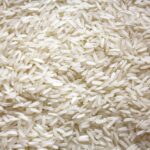
In the world of agriculture,few developments have had as profound an impact on food security as the mechanization of paddy processing. As the backbone of rice production,efficient and reliable paddy processing machines play a critical role in transforming harvested grains into the milled rice that feeds millions. However, not all machines are created equal, and navigating the landscape of options can be a complex endeavor.In this article, we embark on a journey to evaluate the myriad of paddy processing machines available today. We will delve into their performance specifications, explore the intricacies of precision engineering, and conduct a comparative analysis to identify the machines that stand out in terms of efficiency and effectiveness. Through this exploration, we aim to equip mill owners and operators with the insights needed to optimize their rice mill operations, ensuring that they can meet the evolving demands of the market while maintaining the quality and integrity of their product. Join us as we uncover the critical elements that contribute to successful paddy processing and the innovations driving this vital industry forward.
Advancing Milling Efficiency through Precision Design and Material Selection in Paddy Processing Equipment
Advancing milling efficiency in paddy processing requires a meticulous approach to precision design and material selection for the machinery involved. Key specifications that influence the performance of rice mills include the quality of feed rollers, the calibration of hulling and polishing components, and the geometric design of milling chambers. For example, using a high-carbon steel for the feed rollers increases durability and reduces wear, while ceramic coatings on the hulling surfaces minimize friction, leading to lower energy consumption and improved milling outcomes. In terms of design, implementing a modular system allows for easy adjustments and maintenance, enhancing operational efficiency. Moreover, precision engineering can ensure that tolerances between moving parts are kept within ±0.01 mm, drastically reducing grain damage and maximizing yield.
Comparatively analyzing different configurations reveals significant variations in processing efficiency. As a notable example, a customary Finnish rice mill may use vertical hulling, while newer models from Japan incorporate angled hulling mechanisms which enhance the contact surface area with the grain. This results in better separation of hulls and minimizes the percentage of broken rice. Performance factors such as throughput rate, energy efficiency (expressed in kWh/ton), and milling quality (measured by the percentage of whole grains produced) should be quantified for effective comparisons. Limitations may arise due to material fatigue over prolonged use or suboptimal environmental conditions affecting machinery operation. To evaluate equipment effectively, a combination of cost-benefit analysis and integrated monitoring systems can be employed, thereby allowing mill operators to optimize both economic and operational parameters across their processing workflows.

Comparative Framework for Assessing Technological Performance Metrics in Rice Milling Operations
In evaluating the performance of rice milling machinery, a comprehensive comparative framework is essential for understanding the efficiency and efficacy of various technologies employed throughout the milling process. Key performance metrics typically encompass throughput capacity, energy consumption, milling yield, and operational downtime. These criteria can be assessed through a systematic approach that includes:
- Throughput Capacity: Measured in tons per hour, reflecting the amount of paddy processed.
- Energy Consumption: Quantified in kWh per ton, indicating the operational sustainability of the machinery.
- Milling Yield: The ratio of milled rice to paddy weight, a critical indicator of machine effectiveness.
- operational downtime: Time lost due to maintenance or mechanical failure, impacting overall productivity.
When comparing different machinery, it is crucial to consider specific operational parameters such as the type of milling machine—whether it is a traditional stone mill, modern rubber roll mill, or a more advanced combined milling unit. Such as, rubber roll mills often yield a higher percentage of whole grains with less broken rice compared to stone mills, generally resulting in a milling yield of up to 68-70%. In contrast,stone mills,while cost-effective,can produce a yield as low as 60-65% and exhibit higher energy consumption rates. Limitations can arise from environmental factors,such as moisture content in paddy,which affects milling performance. Moreover, performance factors including maintenance cycles, feed rate consistency, and the adaptability of the machine to various rice varieties play critical roles in the final efficiency of milling operations. Comprehensive comparison tables, detailing these metrics side by side, can aid stakeholders in making informed decisions tailored to their specific operational needs.
Engineering Challenges and Innovation Strategies in the Development of Paddy Processing Machines
Paddy processing machines encompass various engineering challenges stemming from the complexity of their operational requirements and the need for efficiency in rice milling. The primary challenge lies in achieving optimal separation of the husk, bran, and white rice while minimizing breakage and preserving the grain’s integrity. Key specifications include the machine’s capacity (typically between 1-10 tons per hour), power consumption (measured in kilowatts), and dimensions which must adhere to processing facility constraints. Mechanisms such as rotary classifiers, modern de-huskers, and multi-stage rice mills utilize different methods of impact and friction to achieve separation. For example, a typical de-husker employs a combination of abrasive surfaces and controlled pressure to effectively remove the husk, while minimizing the amount of broken grain produced.To innovate effectively, engineers must employ rigorous testing methodologies and failure analysis strategies to refine these machines. Performance factors such as moisture content, impurities in the raw paddy, and environmental conditions can considerably impact operational efficiency, thus necessitating adaptability in design. As a notable example, adjustable screens, variable speed controls, and sensor-integrated feedback loops in modern rice mills allow for real-time adjustments based on paddy quality. Comparatively, older designs may lack such adaptability, often leading to variability in quality and higher operational costs. Limitations often stem from the trade-offs between speed and quality; higher throughput speeds may lead to excessive grain breakage if not properly managed. Additionally, integrating smart technologies such as IoT sensors for monitoring operational parameters presents an avenue for enhancing machine efficiency and maintenance predictive analytics, thereby addressing downtimes common in traditional milling operations.
Quality Assurance considerations and Operational Limitations in Rice Mill Machinery Evaluation
Quality assurance in rice mill machinery evaluation is critical to ensure optimal performance and longevity of the equipment. Key mechanisms involved in this process include performance benchmarking,preventive maintenance protocols,and safety compliance checks. To systematically evaluate machinery, operators should consider the following criteria:
- Production Capacity: Assessing the throughput rate (e.g., tons per hour) under standard operating conditions.
- efficiency Ratios: Measuring milling recovery ratios, typically aiming for 65% to 70% for well-adjusted machinery.
- Energy Consumption: Benchmarking kilowatt-hours per ton of processed paddy, which usually ranges from 15 to 25 kWh.
- Equipment Durability: Evaluating components like the huller and separator for wear resistance and life expectancy.
Operational limitations must also be recognized to accurately gauge machinery performance. As an example, rice mill machinery is sensitive to raw material quality, as variations in paddy moisture content (ideally 14%-16% for optimal milling) can significantly impact yield and engine strain. In cases where paddy contains excess impurities or is aged beyond three months, this can lead to increased breakage rates and decreased output quality. Additionally, climatic factors can affect machinery operability; extreme humidity may necessitate modifications to the drying process, thus impacting turnaround times and overall productivity. When comparing different models or brands, it is advisable to analyze a comparison matrix that covers aspects such as maintenance costs, availability of spare parts, and after-sales service.Below is a sample table to illustrate these comparisons:
| Model | Production Capacity (tons/hour) | Energy Consumption (kWh/ton) | Maintenance Frequency (monthly) |
|---|---|---|---|
| model A | 3.0 | 18 | 2 |
| Model B | 2.5 | 15 | 1 |
| Model C | 4.0 | 20 | 3 |
Final Thoughts
the journey through the evaluation of paddy processing machines highlights the delicate balance between performance specifications, precision engineering, and informed comparative analysis. Each component plays a crucial role in shaping the efficiency and productivity of rice mill operations, ultimately influencing the quality of the end product. As we have explored,selecting the right machinery is not merely a decision; it is indeed a strategic investment that can significantly impact a mill’s operational success in a competitive market.
as technology continues to advance, staying abreast of innovations in paddy processing will be vital for mill operators aiming to maximize yield and minimize waste. The insights derived from this comprehensive assessment serve as a guiding framework for those entering the realm of rice milling,offering clarity amidst the complexities of machine options and capabilities.Ultimately, the path to optimal rice mill operations lies in a rigorous evaluation process—one that examines not just the machinery itself, but also how it aligns with the mill’s specific goals and challenges. By embracing this meticulous approach, rice mill operators can ensure they are well-equipped to meet the demands of the industry while delivering unparalleled quality to consumers. The future of rice milling is shining for those willing to commit to informed choices in their equipment selection.