In the ever-evolving landscape of small-scale agriculture, efficient post-harvest processing is paramount for maximizing productivity and ensuring profitability. As farmers strive to elevate their livelihood, mini rice mills have emerged as transformative tools, bridging the gap between traditional farming practices and modern agricultural demands. These compact machines not only streamline the process of milling rice but also empower farmers by providing them with control over their product quality and reducing reliance on external milling services. In this article, we will explore the multifaceted world of mini rice mills, delving into their myriad benefits, essential features, and practical buying guidelines. Whether you are a seasoned farmer or an aspiring entrepreneur, this comprehensive guide will equip you with the knowledge to make informed decisions about integrating mini rice mills into your agricultural practices. Join us in unraveling the potential that these innovative machines hold for the future of small-scale farming.
Exploring the World of Mini Rice Mills and Their Impact on Small-Scale Agriculture
Mini rice mills, frequently enough called small-scale rice processing units, represent a significant innovation in the world of agriculture, particularly for smallholder farmers. These compact machines facilitate the efficient milling of paddy rice into polished rice, drastically reducing post-harvest losses. By localizing processing, thay empower farmers to add value to their harvests without relying on distant commercial mills. The benefits extend beyond mere convenience; mini rice mills also enhance the economic viability of small-scale agriculture. They lower transportation costs,improve product quality,and provide local employment opportunities. Some key benefits include:
- Cost-Effectiveness: Reduced operational costs compared to traditional milling.
- Improved Quality: Consistent milling produces higher-quality rice, enhancing marketability.
- Time Efficiency: Swift milling processes shorten the time between harvest and sale.
- Empowerment: Farmers gain better control over their production and sales.
Despite the advantages, potential challenges exist. Mini rice mills may have limitations such as lower milling capacity compared to larger machines, which might not meet the demands of larger operations. Additionally,maintenance can be tricky without immediate access to spare parts or skilled technicians in remote areas. When considering a mini rice mill, it’s essential to evaluate factors such as milling capacity, energy consumption, and ease of operation. A comparison of various models can help farmers choose the right fit for their needs.Moreover, engaging with local agricultural cooperatives might provide insights into financing options and community support for acquiring these essential tools. Below is a simple comparison table to aid decision-making:
| Feature | Model A | Model B |
|---|---|---|
| Milling Capacity (kg/hr) | 300 | 500 |
| Power Source | Electric | Diesel |
| Price Range | €1,200 – €1,500 | €2,000 – €2,500 |
| Weight (kg) | 250 | 350 |
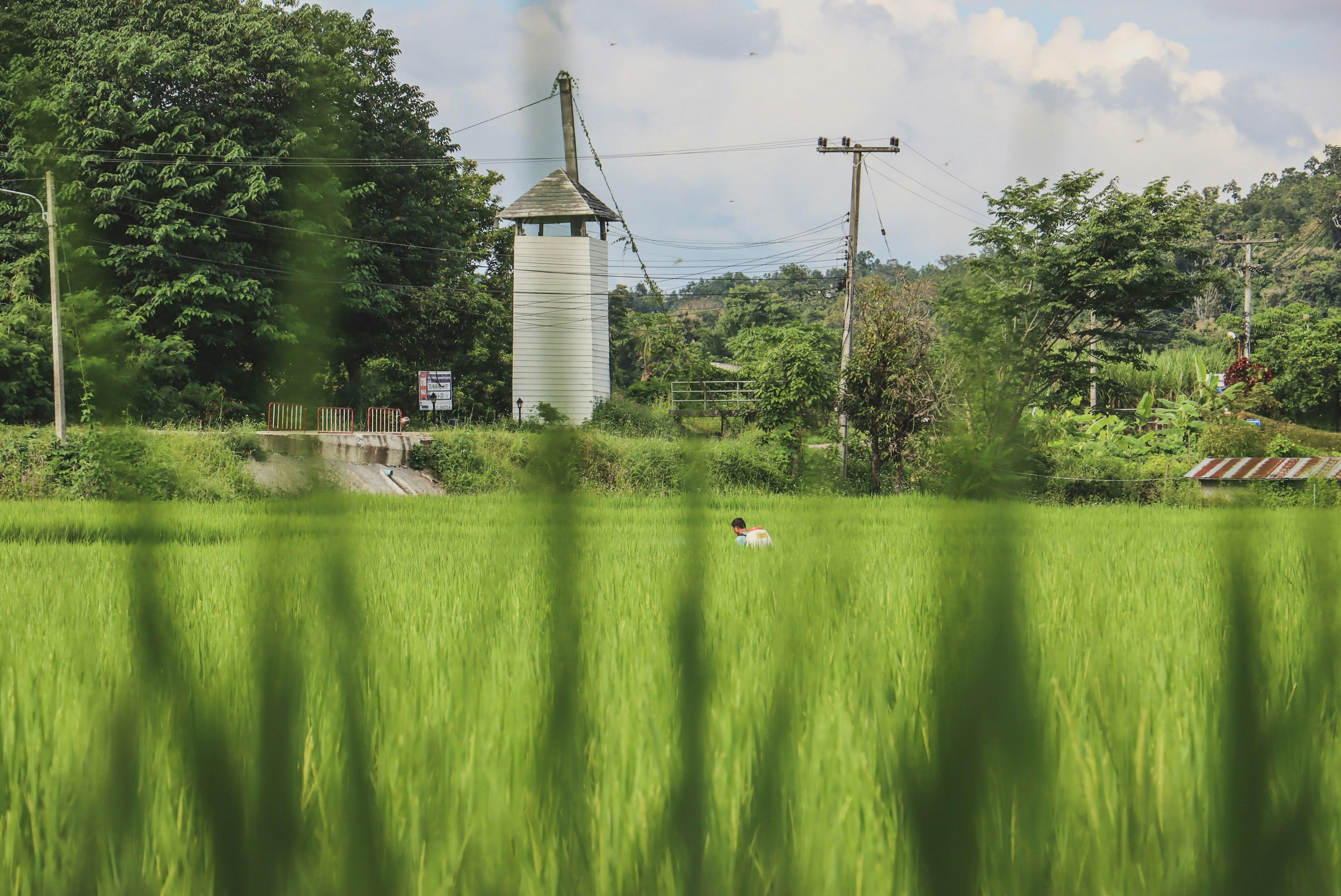
Unlocking the Advantages of Mini Rice Mills: A Game Changer for Local Farmers
Mini rice mills are rapidly transforming the landscape for local farmers by providing them with essential tools for processing rice more efficiently and at a lower cost. Unlike traditional large-scale milling machines, mini rice mills are designed specifically for small-scale operations, making them an accessible solution for local farmers aiming to add value to their harvest. Some of the main advantages of mini rice mills include:
- Cost-Effectiveness: Mini rice mills require lower initial investments compared to large commercial mills, which makes them financially feasible for smallholder farmers.
- Space Efficiency: Their compact design ensures that they can be installed in smaller spaces, allowing farmers to utilize their existing land effectively.
- Improved Quality Control: Farmers can maintain better quality control by milling rice on-site, minimizing the risk of spoilage and ensuring fresher produce.
- Time Savings: With the ability to process rice quickly, farmers can save time, enabling them to focus on other critical aspects of their farming operations.
Moreover, investing in a mini rice mill can help farmers overcome certain challenges associated with rice production. As an example, by milling their rice instead of selling it unprocessed, they can significantly increase their profit margins. Additionally, these mills can be equipped with modern features such as automatic sorting and polishing machines that enhance efficiency even further.When comparing various mini rice mills, it’s essential for farmers to consider factors such as processing capacity, power source, maintenance requirements, and ease of operation. By selecting the right model tailored to their specific needs, local farmers can effectively transform their rice production journey, harnessing the full potential of their harvest.
Debunking Myths and Misunderstandings About Mini Rice Milling Technology
despite the increasing popularity of mini rice milling technology, several myths surround its functionality and benefits, leading to misconceptions among potential users. One common myth is that mini rice mills are only suitable for small-scale operations. While these mills are designed for smaller production, their efficiency and technology can rival larger industrial models, especially when scaled appropriately to the farm’s needs. Additionally, some believe these machines require extensive maintenance, which is not necessarily true. Most modern mini rice mills have user-friendly designs that minimize downtime and offer durable performance, making them ideal companions for small-scale farmers. regular upkeep involves simple tasks such as cleaning and checking the grinding components rather than intensive servicing.
Another prevalent misunderstanding is that mini rice mills produce lower-quality rice compared to larger milling setups. In fact, many mini rice mills incorporate advanced milling techniques that preserve the nutritional value and enhance the overall quality of the rice. They frequently enough come equipped with features such as precision motors and adjustable milling settings that allow farmers to customize outputs based on their specifications. When considering purchasing a mini rice mill, it’s significant to look for models that offer a high degree of versatility, such as:
- Multi-functionality: Some models can also process other grains.
- Energy Efficiency: Many mini mills consume less power than larger units.
- Portability: Their lightweight design enables easy relocation on farms.
By debunking these myths, potential buyers can make informed decisions and appreciate the economic and operational advantages of owning mini rice mills, which serve to bolster productivity in small-scale farming.
Key Considerations for Choosing the Right mini rice mill for Your Farming Needs
When selecting a mini rice mill, several critical factors can influence its efficiency and suitability for your farming needs. Understanding your specific requirements is essential. Key considerations include:
- Capacity: Determine how much rice you expect to process. Mini rice mills generally range from small-scale operations capable of handling 100-500 kg per hour to larger models that can handle up to 1000 kg per hour. Match the capacity to your production needs to ensure optimal performance.
- Type of Milling Technology: Variants of milling technology exist, such as traditional husker, modern rubber roll husker, and combined husker-polisher. Each type impacts the quality and yield of the rice. Rubber roll huskers, such as, are known for their efficiency and gentle processing, which minimizes grain breakage.
- Energy Source: Evaluate whether you prefer electric or diesel-powered models. Electric mills are typically more efficient and suitable for areas with stable electricity supply, whereas diesel-powered models are favorable in rural locations without reliable power.
It’s also crucial to consider space and portability if you operate in a smaller area or need to move the equipment frequently. A compact design facilitates ease of storage and transport. Furthermore, assess the ease of maintenance; machines that are arduous to service can lead to increased downtime and repair costs. It’s beneficial to look for models with user-friendly features such as clear manuals and readily available spare parts. Additionally, reading reviews or comparing brands can highlight performance and longevity, making it easier to choose a reliable machine that meets your needs.
Concluding Remarks
mini rice mills are not just tools; they are transformative assets for small-scale farmers. By understanding their benefits, features, and the nuances of selecting the right model, you can elevate your agricultural endeavors to new heights. With the promise of reduced labor costs, enhanced efficiency, and the ability to produce high-quality rice, these compact machines represent more than just a technological advancement—they embody the future of sustainable, small-scale farming.As you embark on your journey to integrate a mini rice mill into your operations, remember that every grain milled is a step towards greater independence and success. Equip yourself with knowledge, choose wisely, and watch as your farming ambitions flourish. Happy milling!