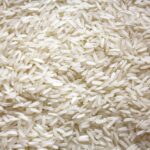
In a world where the pressures of climate change and population growth are mounting, the quest for sustainable food security has never been more urgent. At the heart of this challenge lies one of humanity’s most essential staples: rice. Serving as a primary source of nourishment for over half of the global population, rice is not just a humble grain; it’s a lifeline. Though, traditional processing methods frequently enough contribute to inefficiencies that compromise both nutrition and environmental sustainability. As we stand at the crossroads of innovation and necessity, modern processing techniques offer a way to revolutionize the rice industry.By harnessing cutting-edge technology and environmentally friendly practices, we can enhance the nutritional profile of rice, reduce waste, and ensure that this vital resource remains abundant for future generations. In this article, we will explore how these advancements in rice processing hold the key to forging a path toward a more resilient and sustainable food system. Join us as we delve into the transformative potential that lies within the grain that nourishes the world.
Embracing Innovation: The Double-Edged sword of Modern Rice Processing in Sustainability
Modern rice processing techniques offer a fascinating juxtaposition of innovation and risk,where the potential for increased efficiency can swiftly run aground on the shoals of sustainability challenges. Embracing innovation in this sector typically hinges on the balance between productivity and ecological impact. Advanced methods such as parboiling and milling technologies can considerably enhance yield and reduce wastage,yet they frequently demand higher energy inputs and can lead to increased greenhouse gas emissions if not managed correctly. Furthermore, while precision agriculture technologies promise to optimize resource use, they also risk exacerbating inequalities if smallholder farmers lack access to the necessary equipment or knowledge.
Key distinctions in modern processing methods must be made to navigate these complex trade-offs. For instance, while high-yield varieties (HYVs) can drastically shorten cultivation periods and increase output, they often require specific agrochemicals that may compromise soil health and biodiversity. To promote true sustainability, stakeholders must consider implementing practices such as regenerative agriculture, which prioritize soil restoration alongside increased productivity.
When evaluating these modern strategies, practitioners shoudl:
- Evaluate local context: Tailor processing techniques to the socio-economic and environmental realities of the farming communities involved.
- Leverage renewable energy: For energy-intensive processes, prioritizing solar, wind, or bioenergy can mitigate carbon footprints.
- Promote inclusivity: Ensure that advancements benefit all scales of production, emphasizing training and resources for smallholder farmers.
Ultimately, while embracing innovation in modern rice processing presents promising avenues for enhanced sustainability, it necessitates a nuanced understanding of its broader environmental and social consequences. Balancing these elements will dictate whether modern processing methods become a cornerstone or a stumbling block in the quest for sustainable food security.

Unpacking the Myths: Why Traditional Methods may Hold Untapped Potential in the Face of Modern Techniques
Traditional methods of rice processing, often dismissed in the rush towards modern technologies, harbor a set of methodologies that may hold unexpected advantages. As an example, manual milling might appear inefficient in comparison to automated processes, but it allows for greater control over the milling conditions, preserving nutritional content and minimizing waste. The reluctance to incorporate traditional methods into contemporary systems is frequently based on assumptions that they cannot compete with modern efficiency metrics. Though, this perspective neglects the tangible connections between these practices and local economies, cultural identities, and ecological sustainability.by considering the integration of traditional techniques, we can foster a hybrid approach, maintaining the essence of artisanal craftsmanship while enhancing it with modern efficiencies.
The trade-offs inherent in modern processing must also be acknowledged; technological advances such as high-temperature and rapid-processing methods, while alluring for their efficiency, can lead to significant nutrient loss and impact the flavor profile of rice. A balanced evaluation reveals that traditional methods of processing, such as sun-drying or stone milling, often yield superior taste and richer nutritional profiles, which are increasingly sought after in a health-conscious market. As such, stakeholders in the agricultural and culinary sectors should not only prioritize technological investments but also consider promoting these traditional methods thru education and subsidies. Embracing a dual approach could mitigate the risks of over-reliance on modernity, ensuring resilience in food systems while honoring cultural traditions and promoting sustainable practices.
- Preservation of Nutritional Value: Traditional processing methods often retain more vitamins and minerals.
- Local Economic Growth: Supporting artisan producers can strengthen community ties and promote local economies.
- Environmental Impact: Many traditional methods utilize fewer resources and generate less waste.
Beyond Yield: The environmental Trade-offs of Advanced Rice Processing Technologies
The push for advanced rice processing technologies often emphasizes yield advancement and economic benefits, yet this focus can overshadow critical environmental trade-offs. As processing methods evolve—from traditional milling to high-tech approaches like parboiling and chemical treatments—unintended consequences may emerge. Notably, these processes can significantly increase water and energy consumption, challenging the sustainable ethos they aim to support. Additionally, modern technologies may result in higher greenhouse gas emissions and increased soil degradation if not managed properly. The seamless integration of advanced processing techniques must take into account the following factors:
- Resource Intensity: Evaluate the water and energy requirements of different processing methods and opt for technologies that minimize resource depletion.
- Sustainability Profiles: Compare the ecological footprints of traditional versus modern processing methods, considering the entire lifecycle from cultivation to consumption.
- Waste management: Assess how innovations in rice processing can help to repurpose by-products, reducing waste and enhancing soil health.
Moreover, a nuanced approach to these technologies is essential for fostering sustainable food security. While high-tech processing has the potential to reduce post-harvest losses and improve food quality,it should not come at the cost of environmental vitality. Stakeholders must invest in research that aligns technological advancements with ecological balance. For instance,adopting more efficient energy sources,such as solar or biogas,during milling processes can offset carbon emissions. It is critical for policymakers, researchers, and rice producers to engage in interdisciplinary collaboration that prioritizes both the economic viability of advanced processing and its long-term environmental ramifications, ensuring that the quest for productivity does not undermine ecological integrity.
Navigating the Future of Food Security: Strategic Choices in Rice Processing and Their Broader Implications
As the global push for sustainability intensifies, rice processing must evolve to address not only immediate economic needs but also long-term food security challenges. Modern processing methods—including parboiling, high-temperature short-time (HTST) cooking, and milled rice fortification—can significantly alter the nutritional profile and shelf-life of rice, making it more resilient to climate variability. However, investments in these technologies come with trade-offs. As a notable example, while HTST methods can enhance nutrient retention and reduce cooking time, they also require higher initial capital outlay for equipment and skilled labor, which could be a barrier for smallholder farmers. It is indeed crucial to distinguish between processing techniques that promote margin improvements versus those that genuinely support sustainable growth. The focus should be on adopting processes that are not only economically viable but also environmentally sound and socially inclusive.
Moreover, the implications extend beyond the local farmer. A nuanced approach involves considering the entire value chain, from cultivation to consumer. The adoption of eco-friendly practices in rice processing—as opposed to traditional methods that may rely heavily on chemical inputs and resource intensity—can play a pivotal role in enhancing community resilience. Key recommendations include:
- Embrace Innovations: Encourage the use of zero-energy rice milling and solar-powered drying solutions that reduce carbon footprints.
- Invest in Education: Training programs focusing on modern techniques can bridge the knowledge gap and empower local processors.
- Foster collective Action: Forming cooperatives can mitigate initial investment risks and enhance bargaining power among farmers.
Ultimately, strategic choices in rice processing can yield multiplier effects, improving not just food security but also nutritional outcomes and environmental sustainability. The task ahead demands a paradigm shift that challenges traditional views relegating rice processing to a mere economic function; rather, it should be seen as a cornerstone of resilient food systems capable of weathering future shocks.
The Conclusion
As we stand on the precipice of a food security challenge that looms larger with each passing day, the insights gathered from modern rice processing methods shine like a beacon of hope. these innovative techniques not only promise to enhance yield and efficiency, but they also pave the way for sustainability and resilience in our food systems. By embracing technology and reimagining traditional practices, we can cultivate a future where rice—one of the world’s most essential staple foods—serves as a foundation for both nourishment and environmental stewardship.
In this unfolding narrative of agricultural evolution,the thread of progress is intricately woven with the need for responsible consumption and mindful ecological practices. As we look ahead, let us champion these advancements, ensuring that the rice bowls of tommorow are filled with not only grains, but also the promise of a healthier planet. The revolution in rice processing is not just about feeding today; it is about securing a future where every grain counts. Together, we can sow the seeds of innovation, cultivating a world where food security flourishes hand in hand with sustainability.