Unveiling a 2-Ton rice mill plant Project: Sustainable Growth
In a world where the demand for sustainable agricultural practices grows alongside the population, innovation takes center stage. Enter the 2-Ton rice mill plant Project — a groundbreaking initiative that not only aims to enhance rice production efficiency but also prioritizes environmental sustainability.This project embodies a harmonious blend of technology and tradition, showcasing how modern advancements can support rural economies while minimizing ecological footprints. As we delve into the intricacies of this venture, we will explore its design, potential impact on local communities, and the broader implications for sustainable growth in the agricultural sector. Join us on this journey as we unveil the dimensions of a project that promises to transform the landscape of rice milling and bolster a greener future.

Strategic Design Elements for Enhanced Efficiency in Rice Milling
In the quest for maximized output and streamlined operations, incorporating strategic design elements into a rice milling plant becomes a pivotal endeavor. By integrating efficient layout planning, mill operators can facilitate smoother workflow and minimize unneeded movement. Key components of this design include:
- Ergonomic Equipment Placement: Positioning machinery for easy accessibility reduces the time spent transferring rice between processing stages.
- Vertical Integration: Designing multi-story facilities allows for gravity-assist in material movement, reducing energy consumption.
- Modular Workstations: Implementing modular setups provides versatility to adapt to varying batch sizes and product specifications.
Maintenance accessibility is another critical factor in plant design. Implementing strategic design elements that prioritize easy access to machinery reduces downtime and upkeep costs.this includes:
- Dedicated Maintenance Zones: Areas designated for repairs and upkeep reduce disruptions in production flow.
- Clear Pathways: Signage and open routes ensure that all personnel can navigate easily, enhancing both safety and efficiency.
- Technology Integration: Employing IoT devices for real-time monitoring can predict potential failures before they occur, ensuring smoother operations.
| Design Element | Benefit |
|---|---|
| Ergonomic Placement | Reduces strain and increases productivity |
| Vertical Integration | Enhances energy efficiency |
| Modular Workstations | Allows for quick adaptability |
| Maintenance Zones | Minimizes production disruptions |
| Clear Pathways | Enhances safety and navigation |
| IoT Integration | Proactive maintenance support |
Incorporating Renewable Energy Solutions for Sustainable Operations
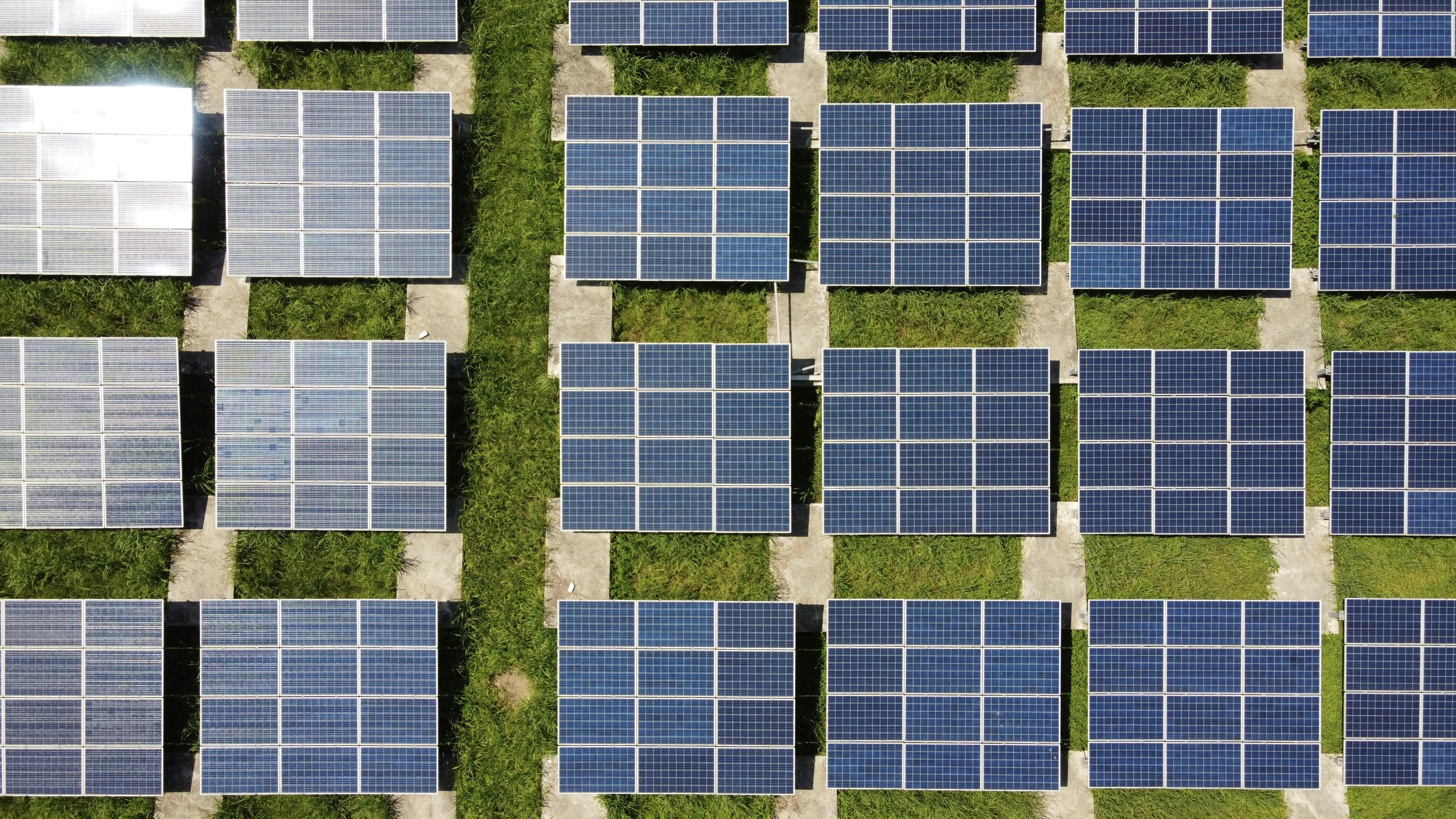
Embracing renewable energy solutions is pivotal for enhancing the sustainability of operations, particularly within the agricultural sector. Incorporating technologies such as solar panels and biomass energy systems can substantially reduce the carbon footprint of a rice mill plant. Implementing these clean energy sources presents advantages, including:
- Cost Reduction: Lower monthly energy bills contribute to improved profit margins.
- Resource Efficiency: utilizing local renewable resources minimizes waste and promotes self-sufficiency.
- Environmental Impact: Transitioning to clean energy leads to decreased greenhouse gas emissions, supporting global efforts against climate change.
In addition to energy generation, managing energy consumption through advanced practices can optimize operations. Smart energy management systems allow for real-time monitoring and control of energy usage, ensuring that the plant operates efficiently at all times. Key strategies include:
| Strategy | Description |
|---|---|
| Energy Audits | Regular assessments to identify energy waste and opportunities for improvement. |
| Automation | Use of technology to control equipment and lighting,reducing unnecessary energy use. |
| Employee Training | Ensuring staff are aware of sustainable practices to encourage energy conservation. |
Impact on Local Communities and the Agricultural Ecosystem
the introduction of a 2-ton rice mill plant stands to significantly alter the landscape of local communities and their agricultural frameworks. By providing farmers with access to modern milling technology, the project not only enhances productivity but also fosters economic resilience.The immediate benefits include:
- Job Creation: The establishment of the mill will lead to new employment opportunities, from mill operators to maintenance personnel.
- Increased Income: Farmers will receive better prices for their paddy rice due to reduced post-harvest losses and improved processing efficiency.
- Community Engagement: Local stakeholders will be encouraged to participate in the project, empowering them and promoting a shared vision for sustainable growth.
Furthermore, the rice mill plant will contribute to the overall health of the agricultural ecosystem. By enabling a closed-loop system where waste products are utilized, the mill promotes sustainable practices that protect the surroundings.Some key aspects include:
| Benefit | Description |
|---|---|
| Waste Reduction | By-products from milling can be repurposed as animal feed or organic fertilizer. |
| Soil Health Improvement | Utilizing organic matter from the milling process enriches soil fertility. |
| Biodiversity Preservation | Encouraging crop diversification helps maintain the ecological balance. |
Guidelines for Financing and Implementing a Successful Rice mill Project
To ensure the success of a rice mill project, it’s crucial to lay a solid foundation through careful planning and financing. Start by conducting a feasibility study that evaluates local demand, operational costs, and competitive landscape. This study should include:
- Market Analysis: Assess the local rice supply chain and identify potential buyers.
- Cost Estimates: Calculate initial investment,equipment,and operational costs.
- Financial Projections: Estimate revenue streams based on production capacity.
Once the groundwork is established, pursue diverse financing options such as bank loans, government grants, or investor partnerships. A detailed business plan will support these efforts,outlining strategies for implementation and operations,thus enhancing credibility with potential financiers. Effective implementation should encompass a structured timeline and milestones,including:
- Equipment Procurement: Choose reliable machinery ensuring efficiency and sustainability.
- Staffing: Hire skilled labor with experience in rice processing.
- Quality Control Measures: Set standards for product quality and safety.
In Conclusion
the unveiling of the 2-ton rice mill plant project marks a meaningful step toward sustainable growth in the agricultural sector. This initiative not only embodies innovation and efficiency but also aligns with the pressing need for eco-conscious practices that respect our environment. As we embrace this new era of rice milling, we invite stakeholders, farmers, and communities to unite in harnessing the potential of this project. Together, we can cultivate not just rice, but a sustainable future that nourishes both people and the planet. As we move forward, let this plant serve as a beacon of progress, inspiring others to explore sustainable solutions in their own endeavors.The journey has just begun, and the possibilities are as limitless as the fields themselves.