In an era where technology continuously reshapes industries, the agricultural sector stands out as a testament too innovation’s transformative power. Among the myriad advancements, the rise of auto rice mills emerges as a beacon of efficiency, promising to redefine traditional practices and elevate production standards. With the global demand for rice on the rise and the challenges of labor scarcity and resource management looming larger than ever, the modernization of rice milling processes has never been more pertinent. This article delves into the world of auto rice mills, exploring how they unlock unprecedented levels of efficiency, enhance yield quality, and contribute to sustainable farming practices. Join us as we uncover the mechanics and implications of this burgeoning technology, charting a course towards a more resilient and productive future in rice production.
The Technological revolution Transforming Rice Milling Operations
The rice milling industry is experiencing a profound transformation driven by cutting-edge automation technologies that promise to redefine operational efficiency. Traditional milling methods, often labor-intensive and prone to inefficiencies, are now being replaced by advanced machinery that combines precision engineering with smart technology. These auto rice mills integrate various features, including:
- Automated Sorting: Utilizing optical sensors to ensure only high-quality rice reaches the market.
- Real-time Monitoring: Providing data analytics for improved decision-making and timely interventions.
- Energy Efficiency: Incorporating eco-friendly practices that significantly reduce energy consumption.
Moreover,the implementation of these systems is not just about upgrading existing technology; it represents a cultural shift in how rice milling operations are managed. The modern rice mill operates as a extensive unit, where each segment is interconnected, allowing for seamless production flows that enhance output while minimizing waste. According to recent data, auto rice mills can boost productivity by as much as 30% compared to thier manual counterparts, as shown in the table below:
| Mill type | average Output (tons/day) | Labor Requirement (workers) |
|---|---|---|
| Traditional Mill | 5 | 10 |
| Auto Rice Mill | 6.5 | 4 |
This leap toward mechanization not only improves the quality of the rice produced but also enhances the overall profitability for mill owners, while creating a more sustainable future for the agriculture sector.
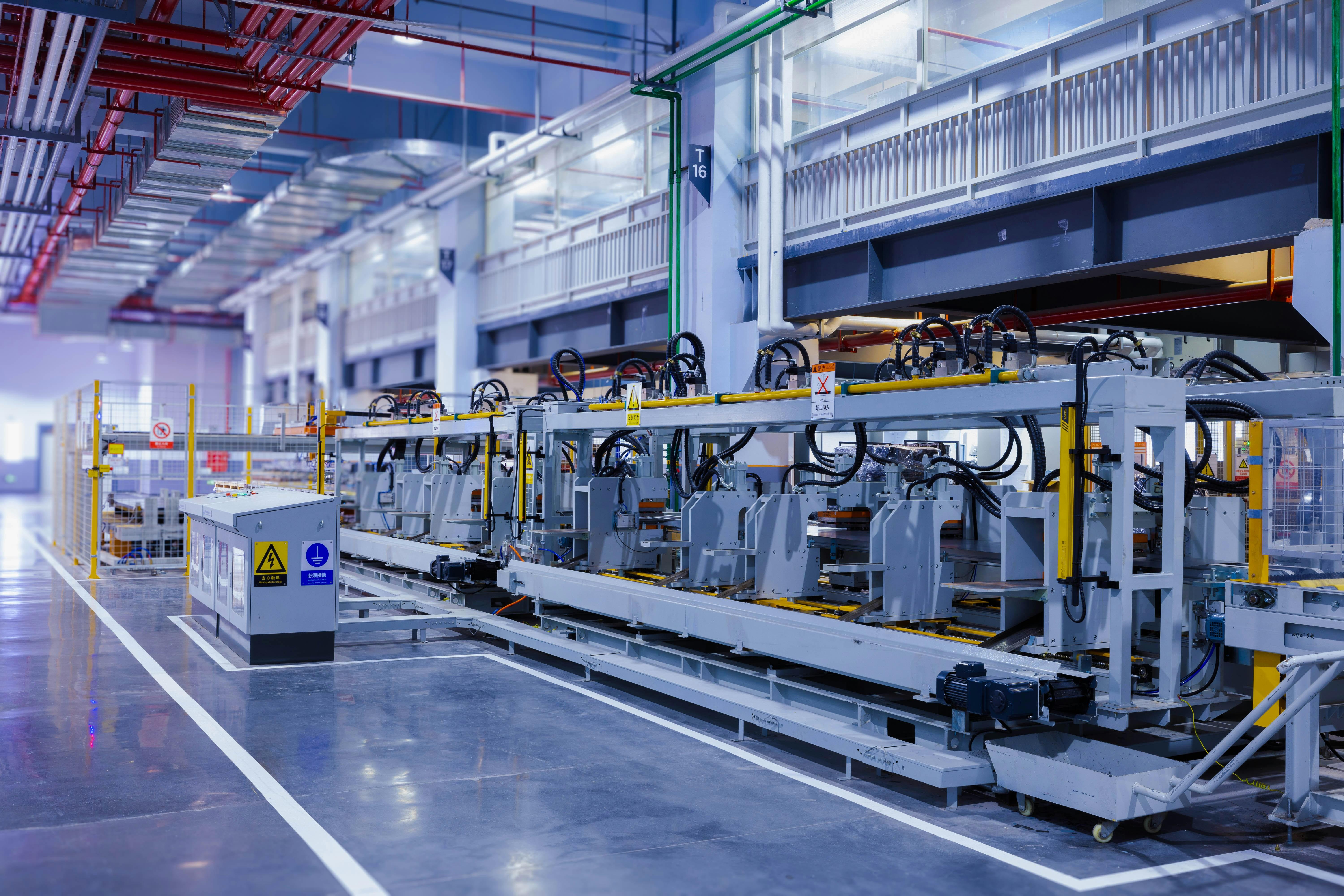
Benefits of Automation in rice Processing for Sustainable Agriculture
The integration of automated systems in rice processing not only streamlines production but also enhances the sustainability of agricultural practices. By utilizing advanced machinery, farmers can achieve greater consistency in the milling process, reducing waste and optimizing resource use. This leads to a more efficient supply chain, allowing producers to meet the growing demand for quality rice without compromising environmental integrity. Other benefits include:
- Reduced Labor Costs: automation minimizes the need for manual labor, which can lower operational expenses and reduce the risk of injuries associated with repetitive tasks.
- Higher Output Quality: Automated systems ensure uniform milling, which improves the overall quality of the rice, making it more appealing to consumers.
- Energy Efficiency: Modern rice mills are designed to consume less energy, contributing to lower carbon footprints and promoting environmentally friendly practices.
Furthermore, the use of automated technologies facilitates real-time monitoring and data collection, empowering farmers to make informed decisions based on actionable insights. This can lead to better crop management,and also the ability to adapt quickly to changing market demands or environmental conditions. Additionally, automated systems can improve food safety by minimizing contamination risks through stringent processing controls. The positive impacts can be summarized in the table below:
| Benefit | Description |
|---|---|
| Consistency | Ensures uniform quality and texture in finished products. |
| Cost Efficiency | Reduces labor and operational costs significantly. |
| Environmental Impact | Promotes sustainable practices through energy savings. |
| Data utilization | Enables informed decision-making for resource management. |
Overcoming Challenges: Strategies for Adopting Auto rice Mills
Transitioning to auto rice mills can be a formidable journey for many producers, but with the right strategies, these challenges can be surmounted.Education and training are paramount; investing in workshops for operators can significantly enhance their understanding of the equipment, ensuring they operate it efficiently and safely. additionally, fostering partnerships with suppliers is crucial. By collaborating closely with manufacturers, mill owners can gain insights into best practices and maintenance schedules, thereby optimizing performance and longevity of the machinery.
Another effective strategy includes implementing a phased adoption approach. Rather than an all-at-once transition, mill owners can begin by introducing a single auto rice mill into their operations. This allows them to monitor the performance and identify any operational hurdles before scaling up. Moreover, creating a robust feedback loop with employees can lead to continuous improvements. Regular team meetings can facilitate discussions on successes and areas for advancement, fostering a collaborative environment that encourages innovation and problem-solving.
Future Trends in Rice Milling Technology and Their Impact on the Industry
As the global demand for rice continues to surge, the rice milling industry is poised for a technological revolution that emphasizes efficiency, sustainability, and reduced operational costs. The introduction of auto rice mills equipped with advanced automation is changing the landscape significantly. With smart sensors, AI-driven data analytics, and real-time monitoring systems, these mills not only enhance productivity but also ensure optimal resource management, minimizing waste and energy consumption. The shift towards automated systems is expected to yield the following advantages:
- Increased Efficiency: Automation reduces manual labor and decreases processing time.
- Higher Precision: Smart technology guarantees consistently high-quality rice.
- Cost-Effectiveness: Lower operational costs due to reduced manpower and energy savings.
- Sustainability: Environmentally friendly technologies minimize carbon footprints.
As auto rice mills gain traction, the competitive landscape is also evolving. Traditional milling operations are now being challenged to upgrade in order to keep pace with innovations.This shift is not just influencing production techniques but is also shaping the entire value chain of rice milling. As an example, data gathering from milling operations allows companies to optimize logistics, ensuring that the freshly milled rice reaches consumers more rapidly and with less spoilage. To further illustrate the shift, here’s a concise comparison of traditional versus auto rice milling:
| Aspect | Traditional Milling | Auto Milling |
|---|---|---|
| Labor dependency | High | Low |
| processing Time | Long | Short |
| Energy Consumption | High | Optimized |
| Product Quality | Variable | Consistent |
The Way Forward
as we navigate the evolving landscape of agriculture and food production, the emergence of auto rice mills stands as a testament to innovation’s role in enhancing efficiency and sustainability.These modern marvels not only promise to streamline operations but also aim to uplift rural economies and ensure food security in an ever-growing world. By harnessing advanced technology,we find ourselves at the cusp of a rice revolution,where the benefits ripple through communities,elevating the livelihoods of countless farmers and contributing to a more resilient supply chain. As we look towards the future, it is clear that the rise of auto rice mills is not merely about mechanization; it represents a pivotal shift towards smarter agricultural practices that honor both tradition and progress. Embracing this transformation will be key to overcoming the challenges that lie ahead in the quest for efficiency, quality, and sustainability in our food systems.