
From Kernel to Crust: The Art and Science of Maize Milling
In a world increasingly defined by convenience and speed, the journey of a single grain of maize from field to table might seem almost archaic. Yet,this transformation is a delicate dance of tradition and technology,where the humble grain undergoes a remarkable metamorphosis. Maize, revered for its versatility and rich cultural importance, is more than just a staple food; it is the cornerstone of a vast culinary landscape. The process of maize milling stands at the intersection of art and science, blending age-old techniques with modern innovations to unlock the grain’s full potential. In this exploration, we delve deep into the intricate journey of maize, uncovering the meticulous methods behind its milling, the science that ensures quality, and the artistry that infuses life into every delicious dish crafted from this golden kernel. Join us as we take a closer look at how milling transforms simple maize into the nourishing flour and meal that form the basis of countless recipes around the globe, celebrating this essential grain in all its forms.
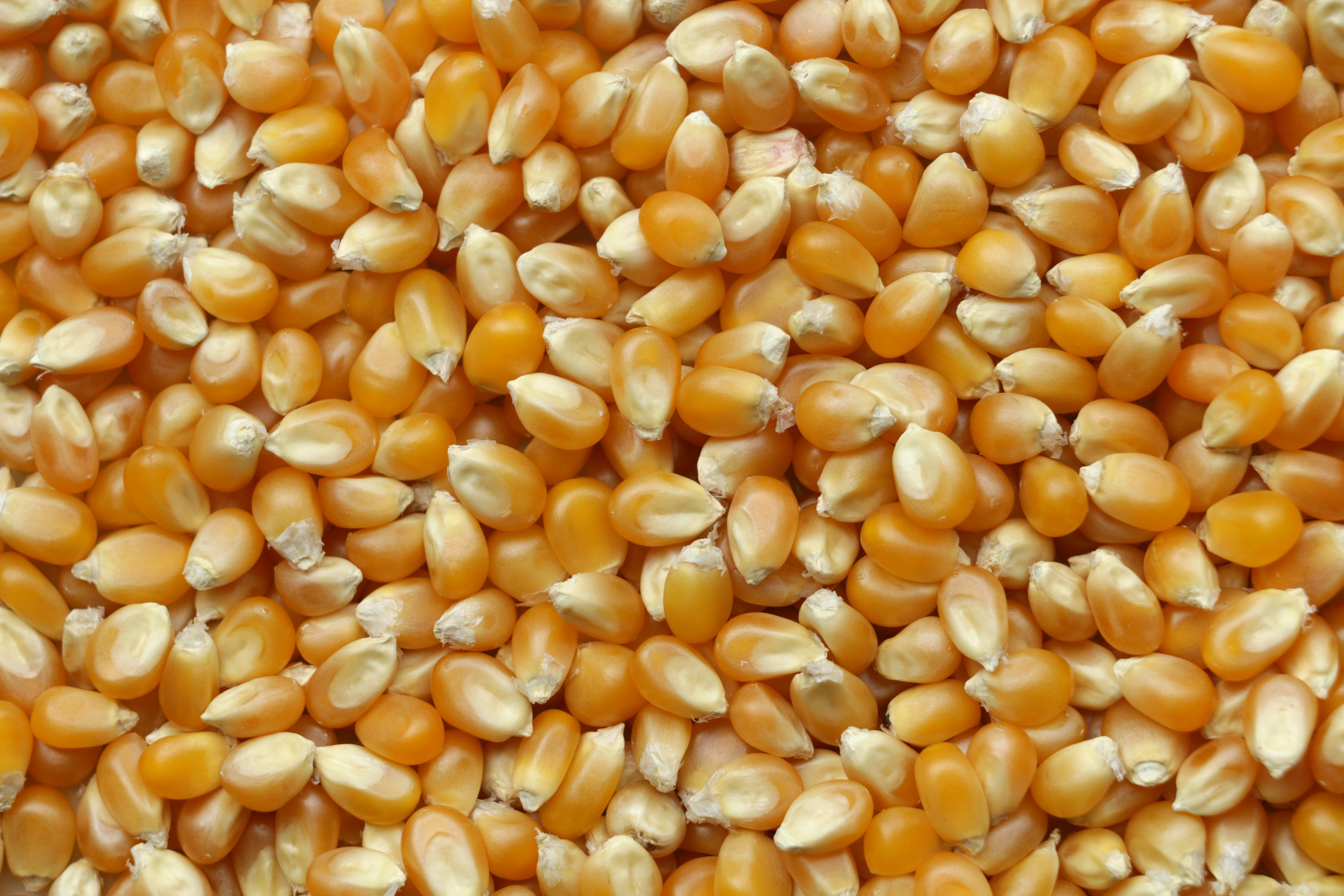
Understanding Maize Anatomy for Optimal Milling Techniques
Understanding the structure of maize is essential for achieving efficient milling processes. The kernel,the heart of maize,consists of several layers,each contributing to the final product’s quality and nutritional value. The three main parts of the kernel are:
- Endosperm: This starch-rich component is the primary source of energy and determines the flour’s texture.
- Germ: Packed with nutrients, the germ is vital for growth and provides oils and proteins.
- Pericarp: The outer layer serves as protection, and its thickness influences the milling process and yield.
Each component requires a tailored approach during milling to optimize extraction and minimize waste. For exmaple, how the endosperm is separated from the pericarp can significantly affect the flour’s quality. Understanding the differing hardness levels of kernel varieties can also guide milling technique choices. Here’s a simplified comparison of kernel types:
| Kernel Type | Texture | Common use |
|---|---|---|
| Dent | Soft | Animal Feed, Cornmeal |
| Flint | Hard | Polenta, Traditional Dishes |
| Sweet | Succulent | Fresh Consumption, Snacks |
The Milling Process Unveiled: From Whole Kernels to Fine Flour
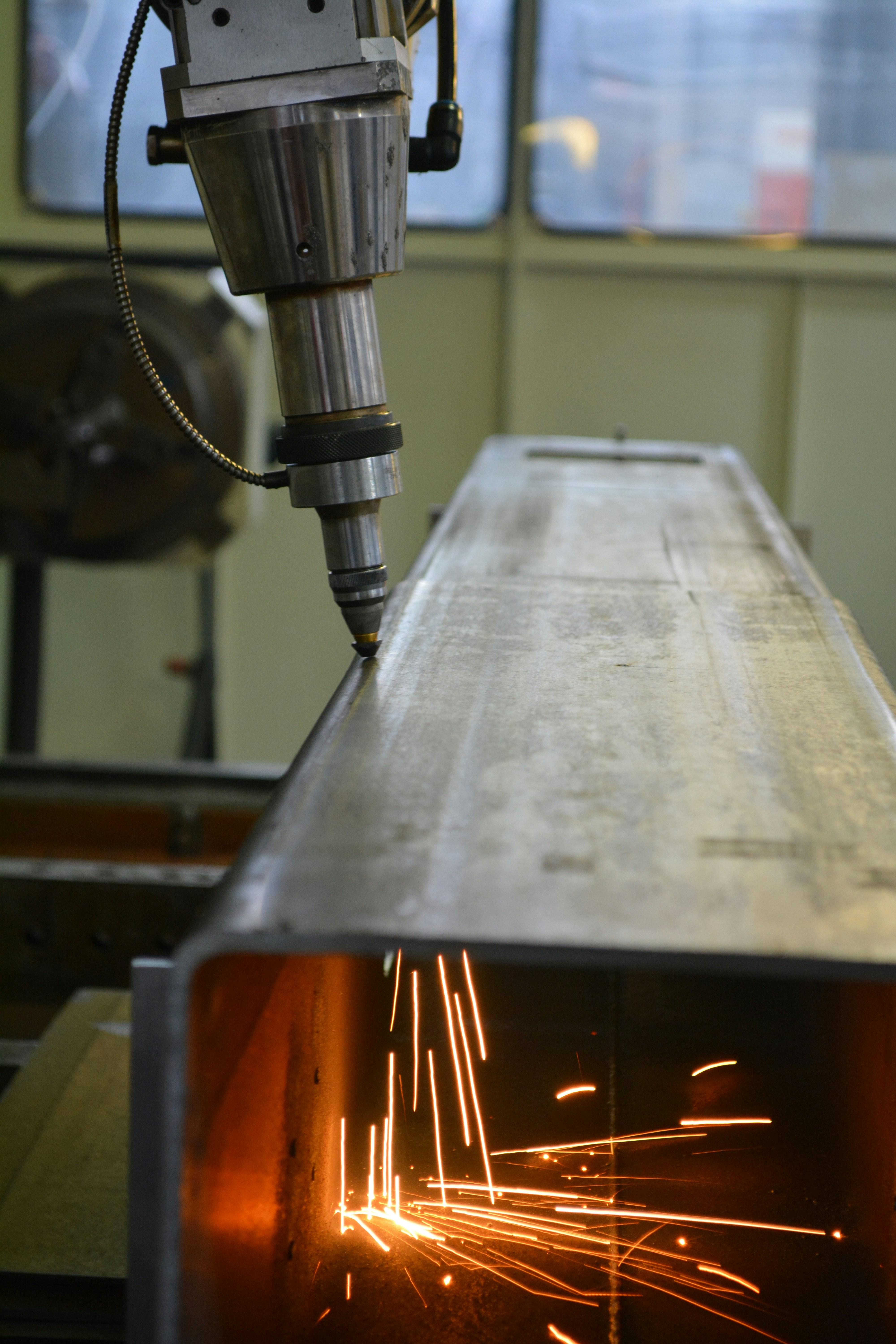
The journey from whole kernels to finely milled flour is a interesting interplay of art and precision. First, maize is harvested and sorted, ensuring only the highest quality kernels are transported to the mill.The kernels undergo a rigorous cleaning process, where impurities, dirt, and foreign materials are meticulously removed. Once cleaned, the kernels are conditioned; moisture is added to make them pliable, allowing for smoother milling. This is a crucial step, as the moisture content can dramatically influence the flour’s texture and performance in baking. The conditioned kernels are then fed into a series of industrial milling machines, which gradually break down the maize using both crushing and grinding techniques. Each step is tailored to achieve specific flour grades, ensuring that the desired texture and composition are achieved.
The milling process not only transforms kernels into flour but also lays the foundation for the distinctive flavors and characteristics associated with maize-based products.As the grains are milled, the bran, germ, and endosperm are separated and can be recombined in various ratios to create different types of flour. The final product can be categorized based on its texture and nutritional content. Below is a simple table illustrating these distinctions:
| Type of Flour | Texture | uses |
|---|---|---|
| Coarse Cornmeal | Granular | Polenta, cornbread |
| Medium cornmeal | Fine | Baking, frying |
| Finely Ground Corn Flour | Powdery | Thickening, baking |
This meticulous method not only preserves the essential nutrients found in maize but also honors its rich cultural heritage. Each type of flour serves a purpose, showcasing the versatility of maize in various culinary traditions. Whether you are crafting a rustic loaf or a delicate pastry,understanding the milling process elevates the appreciation for maize and its journey from field to fork.
Flavor and Texture: The science Behind Different Milling Methods
The milling process transforms maize into various products, each bringing its own unique flavor and texture to the table. Different milling methods—such as stone grinding, impact milling, and roller milling—yield distinct results due to variations in particle size and structure. As an example, stone-ground maize retains more of the natural oils and flavors, resulting in a coarser texture that is particularly sought after for artisanal breads and tortillas. Conversely, roller milling creates a finer powder that can produce smooth textures ideal for baking, pastries, and polenta.
to appreciate the science behind these textures and flavors, consider how each milling technique affects the maize’s endosperm and germ. milling methods can be categorized by:
- Degree of Extraction: Whole grain retains all parts of the kernel, providing maximum nutrients and flavor.
- Particle Size: Coarser grinds showcase a more robust texture, while fine grinds create airy and light products.
- Flavor Profile: Variations in milling and extraction influence the presence of nutty, sweet, or even earthy notes in the final product.
Below is a quick comparison of various milling methods based on their characteristics:
| Milling Method | Texture | Flavor | Use |
|---|---|---|---|
| Stone Grinding | Coarse | Rich,nutty | Breads,tortillas |
| Impact Milling | Medium | Neutral | Snacks,cereals |
| Roller Milling | Fine | Smooth,light | Cakes,pastries |
By understanding these differences,chefs and bakers can select the appropriate milling method to achieve the desired culinary outcomes,unlocking the full potential of maize in their recipes.
Quality Control in Maize Milling: Ensuring Consistency and Safety
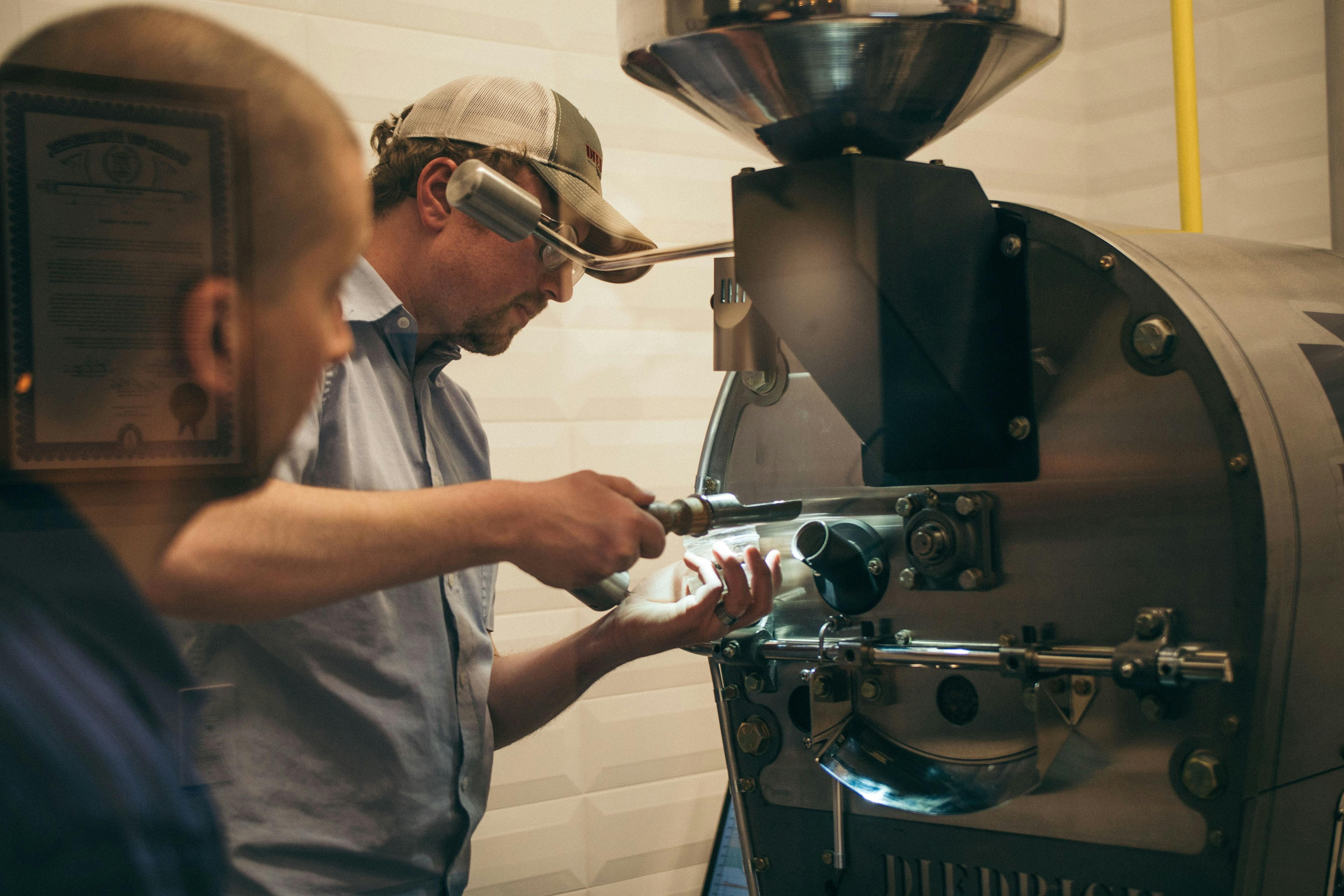
In the intricate world of maize milling, maintaining quality control is paramount. It involves meticulous procedures designed to ensure that each batch of milled maize meets the stringent standards required for both consumption and culinary request. Consistency is achieved through regular monitoring and testing of key quality parameters, which include:
- Moisture Content: Essential for preventing spoilage and ensuring optimal milling.
- Particle size Distribution: Critical for the desired texture in end products.
- Aflatoxin Levels: A toxic compound that must be kept at bay to ensure safety.
Specific methodologies are adopted to uphold these standards, such as frequency testing, where samples from different production batches are analyzed for discrepancies. There are also advanced technological interventions like automated sensors, which continuously monitor the milling process. Below is a brief overview of these procedures:
| Quality Parameter | testing Frequency | Standard Values |
|---|---|---|
| moisture Content | Every batch | 13-14% |
| Particle Size | Hourly | 80% passing 200 microns |
| Aflatoxin | Daily | Less than 20 ppb |
This holistic approach results in not only remarkable product quality but also reassures consumers about safety and consistency from the kernels they started with to the flour they use in their kitchen. Ultimately, quality control encapsulates the art and science that ensures every bite of maize-based products is reliable and enjoyable.
To Wrap It Up
In the intricate journey from kernel to crust,the art and science of maize milling stands as a testament to human ingenuity and our enduring relationship with agriculture. As we’ve explored the meticulous processes, from the careful selection of the maize crop to the mastery of milling techniques, it’s clear that each stage plays a vital role in transforming simple grains into vital ingredients that nourish communities worldwide.
Whether in the form of fine flour for baking or coarse grits for comfort food, maize has woven itself into the fabric of diverse culinary traditions. This exploration not only highlights the technological advancements that have refined milling practices but also pays homage to the age-old methods that celebrate our connection to the land.
As we draw this discussion to a close, let us acknowledge the profound impact of maize milling on our diets, economies, and cultures. It is a journey that, while rooted in science and technology, is enriched by creativity and tradition. With each bite of maize-based delicacy, we partake in a story that continues to evolve, reminding us of the intricate processes and passionate craftspeople behind the grains that grace our tables. Here’s to celebrating the humble maize, a kernel of potential that has flourished in so many forms, nourishing not just bodies, but also the spirit of culinary adventure.



