
from Cob to Kernel: The Art and Science of Corn Processing
Corn,an age-old staple that has traversed centuries and continents,is more than just a vibrant yellow grain; it stands as a testament to human ingenuity and agricultural evolution. From the sun-kissed fields where it sways in the breeze to the elegant machinery that refines it into countless products, the journey of corn is as intricate as it is fascinating. “From Cob to Kernel” explores the multifaceted process that transforms this versatile crop, delving into the art and science behind corn processing. Whether it’s the conventional methods passed down through generations or the cutting-edge technologies emerging today, each step reveals the delicate balance between history and innovation, nature and industry. Join us as we peel back the layers of one of the world’s moast beloved crops, examining the techniques that unlock its potential, the cultural significance it holds, and the myriad forms it takes on our dinner plates and beyond.
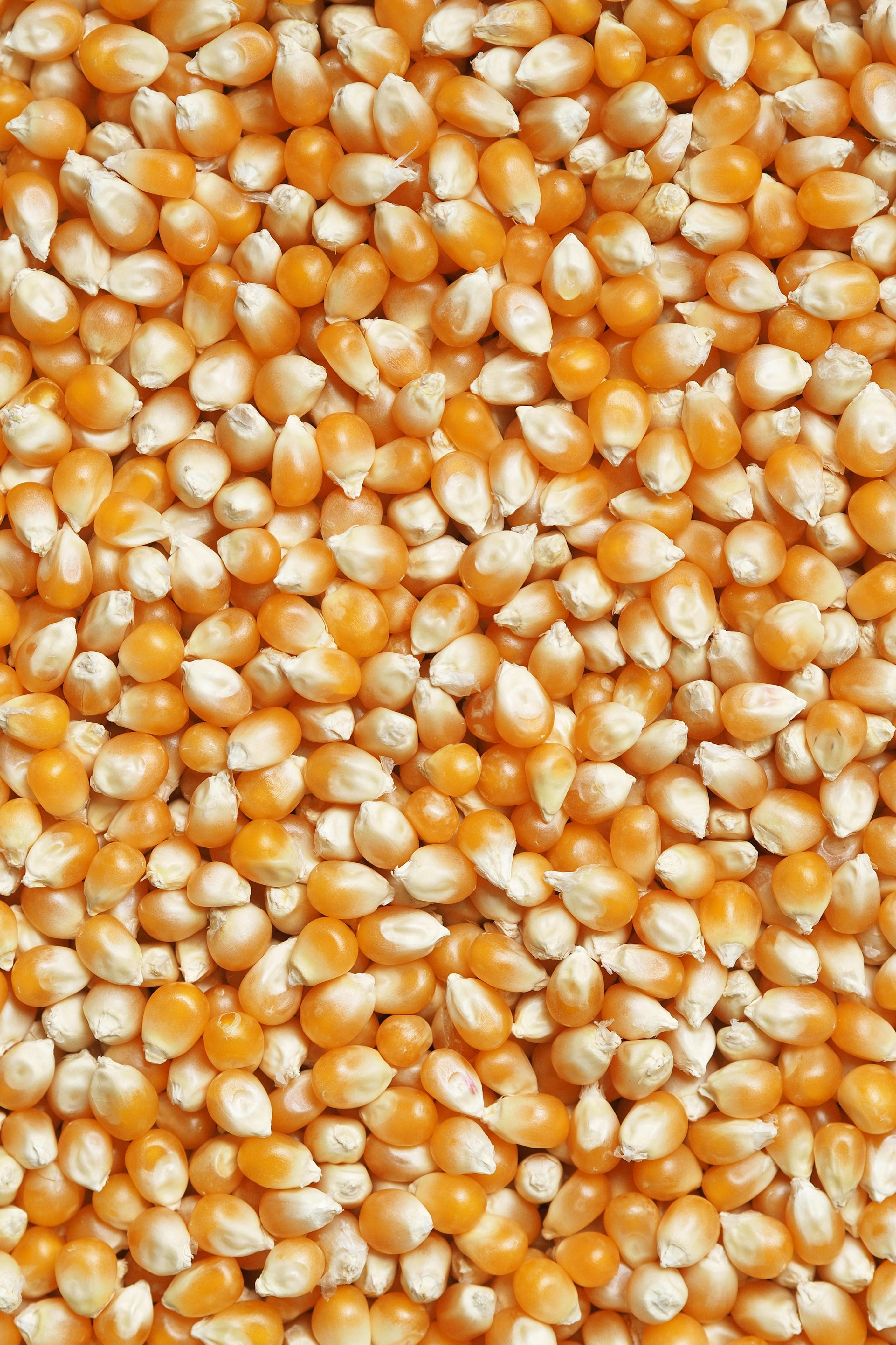
Navigating the Journey from Cob to Kernel: Embracing the corn Processing Cycle
Transitioning through the stages of corn processing is akin to a meticulous dance, where each phase imbues the grain wiht character and purpose. Initially, the whole corn cob undergoes a sequence of treatments to separate the kernels from the cob and husks. Harvesting, drying, and grinding are just the begining. Producers harness technology to enhance efficiency, introducing machines that can strip cobs cleanly, thereby maximizing yield. The juxtaposition of tradition and innovation creates a landscape rich with flavor and texture where corn transforms into a versatile ingredient for various culinary applications.
Following the initial removal of the kernels, the processing journey leans into a symphony of choices. With techniques like milling, fermentation, and hydrolysis, the corn takes on diverse forms—from meal and syrup to starch and ethanol. Each method not only showcases the grain’s intrinsic qualities but also enhances its compatibility with culinary arts. Here’s a rapid overview of some processing methods:
| Processing Method | Description |
|---|---|
| Milling | breaking down kernels into flour or meal. |
| Fermentation | Converting sugars into alcohol,enriching flavor. |
| Hydrolysis | Transforming starches into sugars for sweeteners. |
this engagement with corn’s potential exemplifies a commitment to quality and sustainability, highlighting how each step in the processing not only preserves but enhances the grain’s identity. From cob to kernel, the journey encapsulates a blend of art and science that is essential for creating diverse products cherished across cultures.

Transforming Cob to Cornmeal: Techniques for Optimal Milling and Flavor
To achieve the finest cornmeal from cob to kernel, one must navigate through a series of meticulous steps that elevate the process from ordinary to extraordinary. First, select fresh ears of corn, ideally harvested at their peak maturity. Once the corn is ready, husk the ears with care, ensuring minimal damage to the kernels. Following this, use a sharp knife to cut the kernels off the cob. This is not just a task of removing the grains; rather, it’s about preserving the integrity of each kernel for the best flavor profile. The next critical step involves rinsing the kernels to remove any residual silk or debris, which could affect the milling process and flavor.
The milling process itself is where the true conversion occurs. By utilizing a stone mill for grinding, one can retain the rich, nutty flavor of the corn while achieving a fine consistency. Alternatively, a mechanical mill may be used for those seeking efficiency without sacrificing quality. It’s essential to consider the following techniques when milling:
- Adjust the mill settings according to desired coarseness
- keep the kernels cool during milling to preserve oils
- Let the flour rest for a few hours post-milling to enhance flavor
Consider also the storage of your freshly milled cornmeal. For optimal flavor retention and freshness, store it in an airtight container in a cool, dry place. Diffrent types of corn will yield distinct flavors and textures hence, educating oneself on the varied corns—like sweet, flint, or dent corn—can expand culinary creativity. To provide a clearer picture of differences, refer to the following table of popular corn types:
| Corn Type | Flavor Profile | Best Use |
|---|---|---|
| Sweet Corn | Juicy and tender | Fresh eating, salads |
| Dent Corn | Earthy and starchy | Animal feed, cornmeal |
| flint Corn | hard and rich | Polenta, grits |

Exploring Nutritional Benefits: How processing Elevates Corn’s Health Profile
The journey of corn from its earthy origins to nutrient-rich food products is a fascinating interplay of art and science. As we process corn, we unlock a plethora of nutritional benefits that may not be as readily available in its whole form. Through techniques like milling, cooking, and fermentation, the bioavailability of various essential nutrients can increase considerably. As an example, niacin (Vitamin B3), which is crucial for energy metabolism, becomes more accessible when corn is processed into products such as tortillas. This transformation not only enhances the nutrient content but also improves digestibility, creating a more satisfying and healthful experience for consumers.
Moreover, processed corn offers an array of functional components that contribute to overall well-being. The impact of cooking corn can not only release valuable antioxidants but also increase the number of prebiotic fibers, fostering a healthy gut microbiome.Let’s take a closer look at how these beneficial elements vary across different corn products:
| Product | Nutritional Highlights |
|---|---|
| Cornmeal | Rich in carbohydrates, fiber, and B vitamins |
| Tortillas | Enhanced niacin absorption and lower glycemic index |
| Popcorn | High in fiber and low in calories, a whole grain snack |
| Polenta | Contains iron, magnesium, and offers comfort food versatility |
By understanding these transformations, we can better appreciate the nutritional value added to our diets through the artful processing of this vibrant grain. In addition, the variety of culinary applications—from savory to sweet—demonstrates corn’s versatility while together contributing to a balanced diet.
Sustainable Practices in Corn Processing: Innovations for a Greener Future
In the ever-evolving landscape of agricultural innovation, the corn processing industry is making meaningful strides toward sustainability. By embracing cutting-edge technologies and eco-kind practices, processors are reducing their carbon footprint while enhancing the overall efficiency of production. For instance,bioprocessing techniques utilize microorganisms to convert corn starch into biodegradable plastics,challenging the petroleum-based alternatives that have long dominated the market. this not only helps in minimizing plastic waste but also paves the way for a circular economy where by-products, often discarded, are transformed back into usable resources.
Furthermore, water conservation strategies are being implemented to optimize corn processing methods. With water scarcity becoming an increasing concern, companies are investing in closed-loop systems that recycle water used during processing. Key innovations include the following:
- Advanced Filtration Technologies: These systems effectively purify and reuse water, ensuring minimal waste.
- Smart Irrigation Systems: Utilizing sensors to monitor soil moisture levels helps in using water judiciously.
- Sustainable Energy Sources: Solar panels and bioenergy systems are being integrated into facilities to reduce reliance on fossil fuels.
| Innovation | Benefit |
|---|---|
| Bioprocessing for Plastics | Reduces plastic waste and reliance on fossil fuels. |
| Closed-loop Water Systems | Minimizes water consumption and promotes efficiency. |
| Smart Irrigation | Ensures optimal use of water resources in the field. |
| Renewable Energy Sources | Decreases carbon footprint of processing plants. |
These sustainable practices not only serve as a blueprint for responsible production but also inspire other sectors to adopt similar measures, fostering an environmentally conscious mindset across the globe. As the industry continues to innovate, the intersection of art and science in corn processing promises a greener future, where every kernel contributes to a healthier planet.
The Conclusion
As we draw the curtain on this exploration of corn processing, we find ourselves at the intersection of art and science, where tradition meets innovation. from the humble cob,nestled under the husk,to the versatile kernel ready to enrich our plates and products,the journey of corn is a testament to human ingenuity and nature’s bounty.
Each stage of processing unveils a layer of complexity, revealing not just the methodical precision required to transform raw grain into diverse foodstuffs and industrial materials, but also the cultural history interwoven with every kernel. The alchemy of cob-to-kernel processing invites us to appreciate the craft behind our everyday staples, encouraging a deeper connection to our food and the processes that sustain it.
As you reflect on the corn that nourishes countless lives globally, consider the artistry of the miller and the scientist alike, each playing a pivotal role in this remarkable transformation. Whether you enjoy popcorn during a movie, cornmeal in your favorite cornbread, or even bioplastics derived from corn, you are partaking in a narrative that stretches back thousands of years.
So next time you savor a bite or hold a product made from corn, remember the journey it has undertaken—from cob to kernel—and the artistry involved in bringing nature’s gifts to our tables. In the realm of corn processing, the interplay of tradition and innovation continues to evolve, ensuring that this golden grain remains a staple for generations to come.



