
In the heart of the countryside, where sweeping emerald fields stretch across the horizon, rice—an essential staple for billions—begins its journey. Yet, the path from paddy to plate is frequently enough shrouded in mystery, a narrative woven through nature and industry. “From Field to Table: Inside a Paddy Processing Factory” invites you to peel back the layers of this engaging transformation. Here, amidst the rhythmic hum of machinery and the earthy scent of freshly harvested grains, the age-old practice of rice processing comes to life. We’ll explore the intricate processes that turn golden paddy into fluffy grains, the science and art behind quality control, and the dedicated hands that ensure that each morsel reaches our tables. Join us as we delve into the symbiotic relationship between agriculture and technology, revealing not just the mechanics of processing, but also the stories and traditions that underpin this vital link in our food chain.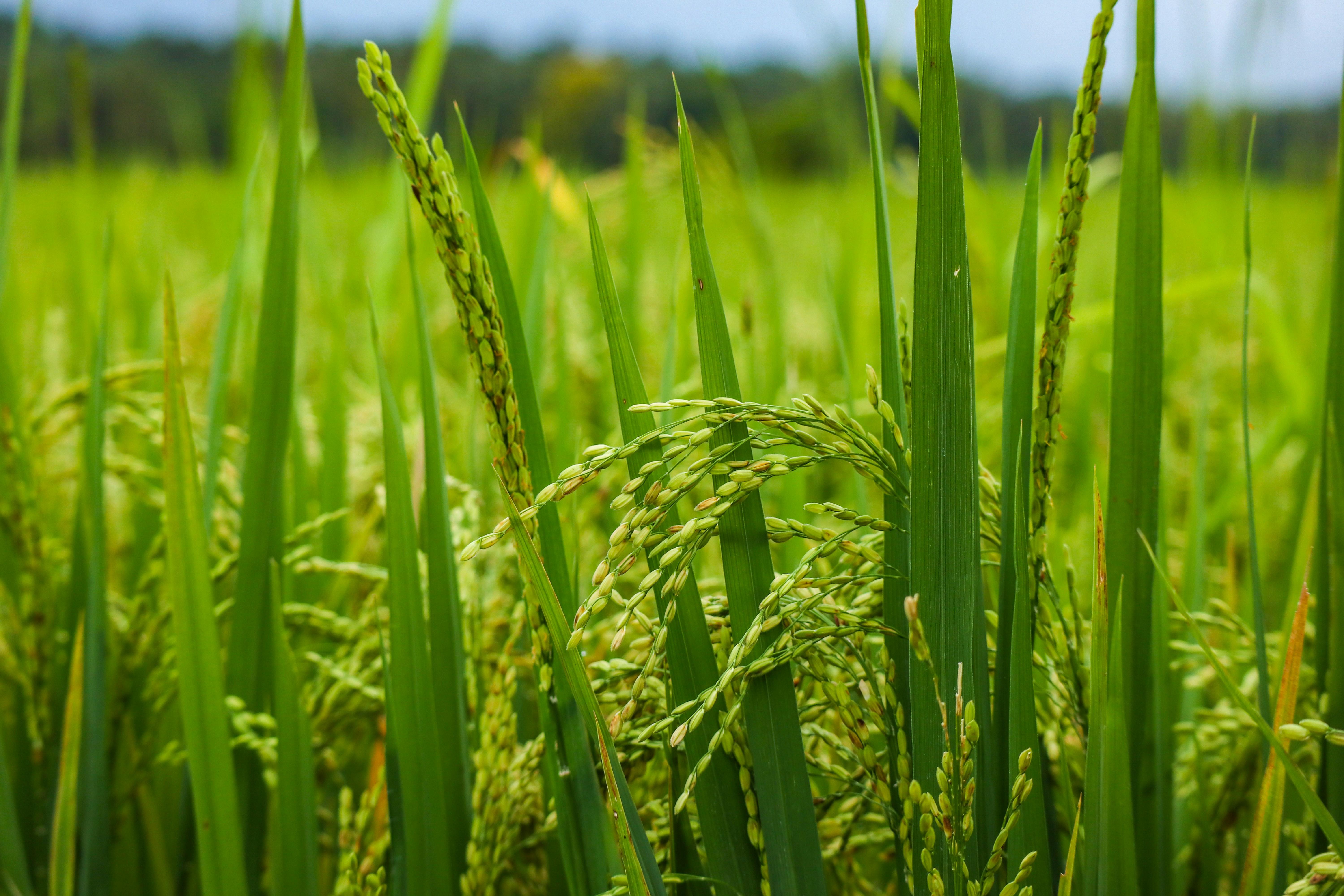
Exploring the Journey of Paddy from Harvest to Processing
As the golden grains of paddy are harvested, the journey begins in the lush fields where farmers carefully gather the ripened stalks. the harvest typically occurs during the dry season, ensuring that the grains maintain their quality and fullness.Once collected, the paddy is transported for initial processing, a critical step that separates the valuable grains from the husk. The journey to transformation involves several stages, including:
- Drying: Reducing moisture content to prevent spoilage.
- Cleaning: Removing impurities such as dirt and stones.
- husking: Separating the outer hull from the brown rice.
After these essential steps, the brown rice moves to become white rice through the milling process. This phase not only polishes the grains but also enhances the aesthetic appeal and shelf-life of the rice that reaches the consumer. The subsequent stages involve sorting, packaging, and even fortification, where essential nutrients are added back into the rice. such meticulous attention to detail ensures consumers recieve a product that is not only wholesome but also upholds quality standards. A brief overview of the processing steps is outlined in the table below:
| Processing Step | Description |
|---|---|
| drying | Decreases moisture to avoid spoilage. |
| husking | Removes the outer layer from the rice grain. |
| Milling | Polishes the brown rice to produce white rice. |
| Packaging | Prepares the rice for distribution and sale. |

Understanding the Technology behind efficient Paddy Processing
The journey from harvested paddy to rice on our plates hinges on complex technology designed to streamline efficiency while preserving quality. At the heart of modern paddy processing are interconnected machines that work in concert to lessen waste and enhance yield. In a typical processing plant, cleaning, hulling, and milling are vital stages where each grain is meticulously handled. State-of-the-art machinery employs dust extraction systems to minimize waste, sensors for quality control, and automated sorting systems to ensure only the finest grains continue down the line. This integration of technologies not only speeds up the process but also maintains the nutritional value and flavor of the rice.
Moreover, energy efficiency is a critical aspect of contemporary paddy processing.Advanced drying systems use less energy while ensuring that the moisture content of the grains is optimized for storage without compromising quality. The use of renewable energy sources, such as solar panels, is becoming increasingly popular in factories seeking to reduce their carbon footprints. Data-driven techniques allow processors to adapt their methods in real-time based on environmental factors and grain quality, leading to a more sustainable operation. As paddy processing continues to innovate, the synergy between tradition and technology promises to cultivate results that not only satisfy consumer demand but also address global food security challenges.
| Stage | Key Technology | Benefit |
|---|---|---|
| Cleaning | Air and Gravity Separators | Removes impurities and enhances grain quality |
| hulling | Automated Hullers | Increases efficiency and minimizes grain breakage |
| Milling | Cylindrical Shellers | Improves yield and consistency in grain size |
Quality Control Measures in Modern Rice Production
The journey of rice from paddy fields to our plates involves meticulous attention to quality control measures that ensure the grain is safe, nutritious, and free from contaminants. In a modern rice processing factory, several layers of quality assessments are put in place. These measures start right at the harvesting stage,where farmers are encouraged to follow Best Agricultural Practices. Once harvested, the rice undergoes immediate inspections for moisture content, foreign matter, and overall seed quality. This is further supplemented by rigorous laboratory testing to check for pesticide residues and mycotoxins, ensuring that any grains that do not meet the stringent standards are discarded before thay reach the processing stage.
During processing, several advanced technologies are utilized, such as infrared sorting, which helps to identify and remove damaged grains or impurities. Automated systems track key metrics like grain size, color, and overall appearance, ensuring only the best are packaged for distribution.The final quality control checks involve sensory evaluations, where trained professionals assess aroma and texture. To illustrate the diffrent stages involved in maintaining quality, consider the following table:
| Quality Control Stage | Description |
|---|---|
| Harvest Inspection | Assess moisture levels and quality of the paddy. |
| Laboratory testing | Check for pesticide residues and contaminants. |
| Infrared Sorting | Remove damaged grains using automated technology. |
| Sensory Evaluation | Expert assessment of aroma, texture, and flavor. |
Sustainable Practices for a Greener Paddy Processing Future
Implementing sustainable practices in paddy processing is pivotal for reducing the environmental footprint while enhancing productivity.Modern facilities are increasingly adopting methods that prioritize energy efficiency, waste reduction, and water conservation. For example, solar panels can be installed on factory rooftops, enabling factories to harness renewable energy and reduce dependence on fossil fuels. Additionally, integrating a closed-loop water system helps recycle water used in the processing stages, minimizing waste and promoting responsible usage of this precious resource.
Investing in advanced technologies like biomass gasifiers not only provides an choice energy source from rice husks and straw but also helps in the efficient management of agricultural waste. Furthermore, partnerships with local farmers to implement crop rotation and agroecological practices foster a holistic approach to sustainable agriculture that benefits both the producer and the ecosystem. By creating a obvious supply chain that emphasizes ethical sourcing and fair trade, paddy processing can contribute considerably to local economies while adhering to sustainability goals.
In Summary
In the intricate dance between nature and nurture, the journey from field to table unfolds within the walls of a paddy processing factory. Here, raw grains transform into the staple that nourishes millions, bridging the gap between farmer and consumer. As we step away from the vibrant machinery and the dedicated hands that labor tirelessly behind the scenes,we carry with us a newfound gratitude for the life cycle of rice—a cycle steeped in tradition,technology,and teamwork.
Though we may frequently enough take for granted the simple grains on our plates, the story of paddy processing is a testament to the innovation and dedication that sustain our meals.As you savor your next bowl of rice, remember the meticulous journey it has taken, marked by environmental wisdom and human ingenuity. In every grain lies a narrative of connection, resilience, and the unwavering spirit of those who cultivate the earth’s rewards. From field to table, let us embrace this story and the remarkable processes that bring sustenance to our lives, honoring the age-old relationship between nature, industry, and our daily nourishment.



