
Unveiling the Art of Maize Milling: From Grain to Flour
In the heart of countless kitchens around the world lies a humble yet essential ingredient: flour. While most of us may sprinkle it casually into our recipes, few pause to consider the intricate journey that transforms raw maize into the versatile powder we rely on. The process of maize milling is both an art and a science, steeped in tradition yet shaped by innovation. From the golden kernels that sway in the fields, to the rhythmic dance of machinery in processing plants, milling is a fascinating exploration of texture, flavor, and cultural significance. This article invites you on an enlightening journey through the stages of maize milling, uncovering the techniques, technologies, and stories that bring this vital ingredient from the farm to our plates. Join us as we delve into the captivating world where grain meets craftsmanship,and discover how each step contributes to the final product that nourishes our lives.
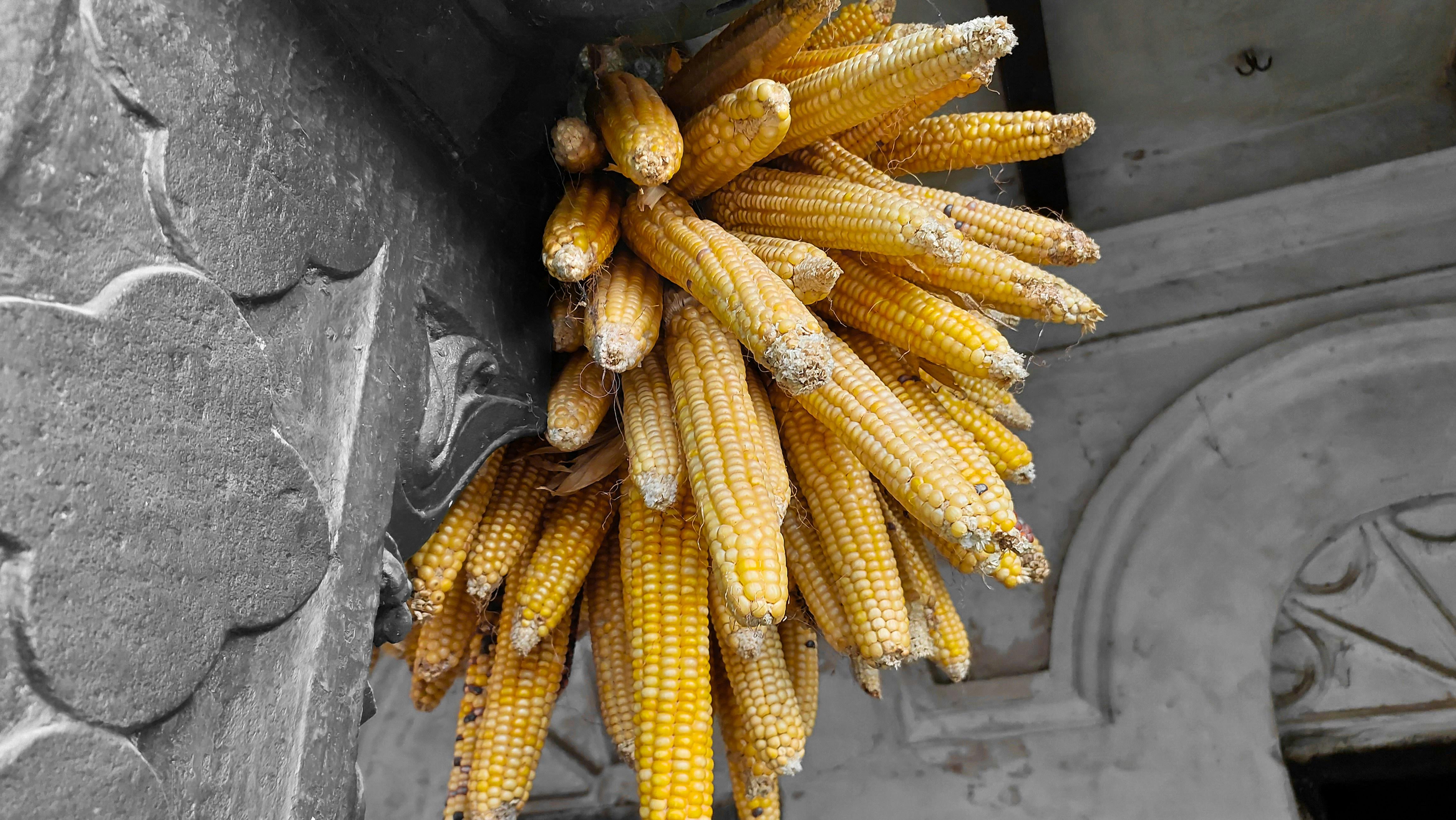
Exploring the Historical Journey of Maize Milling Techniques
Throughout history, the evolution of maize milling techniques reflects both cultural practices and technological advancements.Initially, indigenous communities utilized rudimentary methods to grind maize, frequently enough relying on simple tools such as stone mortars and pestles. This manual approach allowed for a nuanced connection to the grain, as each pound of maize was carefully processed, transforming it into a staple food source. Over the centuries, these methods evolved with the introduction of various milling techniques stemming from different cultures and regions:
- Hand Mills: Early versions of hand-operated grinders increased efficiency by allowing individuals to process larger quantities of maize.
- Water-Powered Mills: The advent of water wheels led to the development of water-powered milling, vastly improving flour production rates.
- Industrial Milling: The industrial revolution brought mechanized processes that could produce flour at an unprecedented scale.
In more recent times, the introduction of modern milling technologies has been pivotal in enhancing both quality and accessibility. Steel roller mills, for instance, allow for precise extraction of flour while minimizing damage to the grain’s nutritional content. The process of milling has also become increasingly hygienic, ensuring food safety standards are met. These advancements have transformed maize from a traditional product into a commercially significant ingredient, influencing global cuisines:
| Milling Technique | Key Feature | Historical Impact |
|---|---|---|
| Hand Grinding | Manual, labour-intensive | Roots in ancient civilizations |
| Water Mills | Utilizes natural water flow | Boosted regional trade |
| Steam-Powered | increased production volume | Supported urbanization and industrial growth |

Understanding the Science Behind Milling Processes and Equipment
The transformation of maize from its raw state to fine flour is a remarkable journey that merges art with science. At the heart of this process lies the mill, a sophisticated piece of equipment designed to break down the grain into its essential components. Understanding the milling process requires knowledge of several key parameters that influence the final product.These include:
- Moisture content: The ideal moisture levels can impact grinding efficiency and flour quality.
- Granulation: The size of the maize particles affects how well they can be further processed.
- Temperature control: Excessive heat during milling can degrade the quality of the flour.
The milling process itself typically includes several stages: cleaning, conditioning, grinding, and sifting. Each stage is crucial in ensuring that the final flour retains the desired characteristics. The machinery involved functions through a series of mechanical and physical processes that break down the grain. For example, roller mills use corrugated surfaces that gently crush and shear the maize, allowing for precise control over particle size. The effectiveness of these machines is often represented in a table format for industry standards:
| Stage | Description | Role in Milling |
|---|---|---|
| Cleaning | Removing impurities and foreign matter | Ensures flour safety and quality |
| Conditioning | Adjusting moisture content through steam | Enhances grinding efficiency |
| Grinding | Breaking down maize into flour | Defines the flour’s texture and quality |
| Sifting | Separating flour from bran and germ | Determines final product composition |
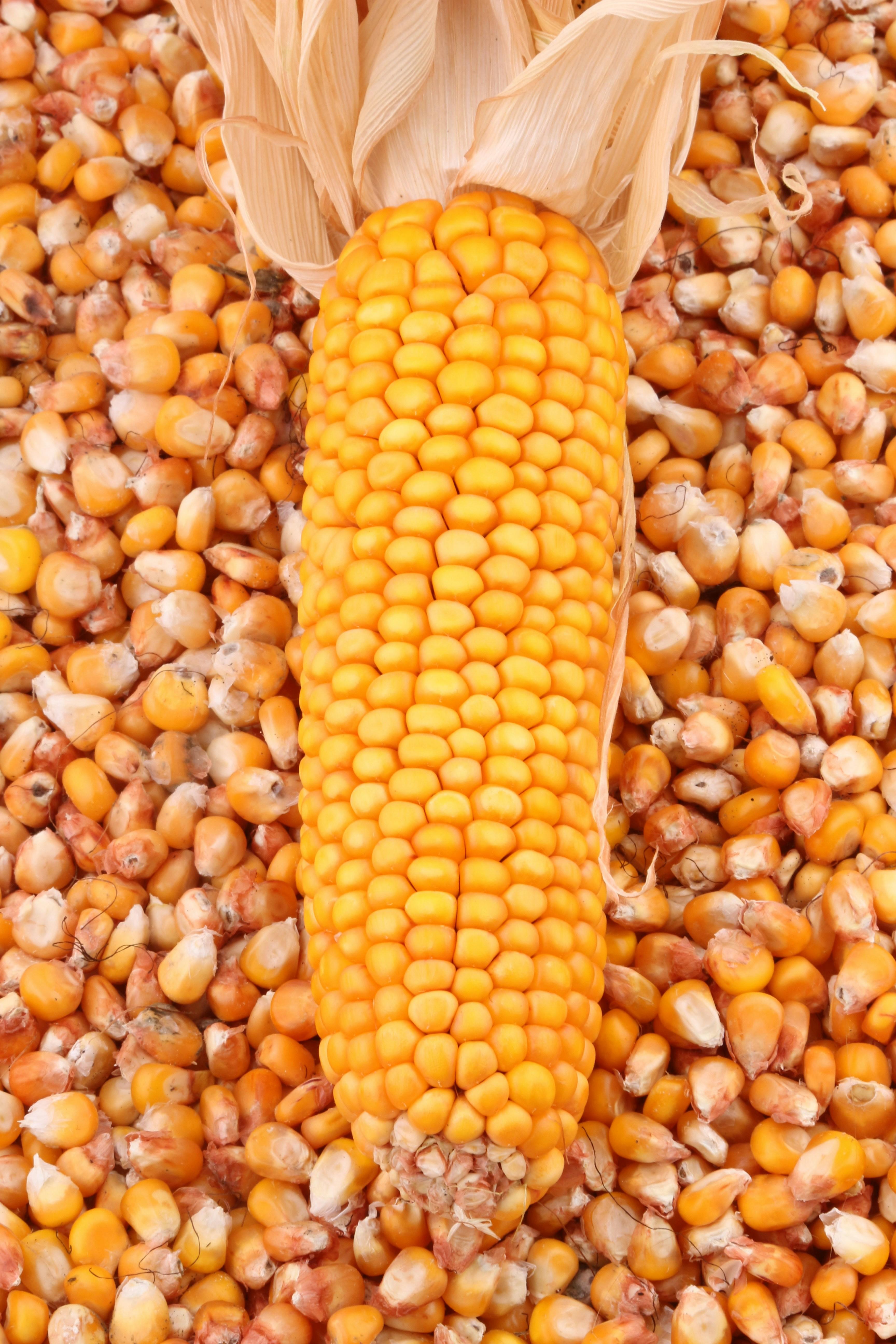
Selecting the Right Maize Variety for Optimal Flour Quality
When embarking on the journey of milling maize into flour, the selection of the appropriate maize variety plays a pivotal role in achieving optimal flour quality. Different varieties exhibit distinct characteristics, such as starch content, kernel hardness, and oil composition, which significantly influence the milling process and the flour’s final attributes. Among these varieties, the following are particularly noteworthy:
- dent corn – Known for its higher starch content, optimal for creating fine flour.
- flint corn – With its hard kernels,this variety provides a more robust texture and is ideal for coarser grinds.
- sweet corn – While typically consumed fresh, its higher sugar content can enrich flour for specialty recipes.
Moreover, understanding the local climate and soil conditions is crucial, as these factors can affect the maize’s growth and, consequently, its milling quality. As a notable example, various maize varieties perform differently under drought stress or excessive moisture. Below is a simple overview of how environmental factors can interact with maize growth:
| Maize Variety | Optimal Climate | Common Applications |
|---|---|---|
| Dent Corn | Warm, well-drained soils | Baking, tortillas |
| Flint corn | Cool, moderate rainfall | polenta, grits |
| Sweet Corn | Warm and moist | Pancakes, desserts |
By strategically selecting the right maize variety, millers can ensure a flour that not only meets quality standards but also caters to the diverse needs of consumers in the marketplace.

Tips for Maintaining and Upgrading Your Milling Setup for Efficiency
To ensure a consistently high-quality output from your milling setup, regular maintenance is essential. Cleanliness is one of the basic aspects that cannot be overlooked. Dust and residue can affect the flavor and quality of the flour. Make a routine of thoroughly cleaning the milling machinery and the surrounding area. Regularly check and replace worn-out parts, allowing for smooth operation and reducing downtime. Implementing a preventive maintenance schedule can definitely help you identify potential issues before they become larger problems. Key areas to maintain include:
- Conveyor belts – Ensure they are free from frays and debris.
- Roller alignment – Misalignment can cause poor milling results.
- Bearings – Lubricate and inspect them regularly to reduce friction and wear.
Upgrading your milling setup can also enhance efficiency and output. Consider investing in modern milling technology that offers advanced features, including automated controls and real-time monitoring systems. These technologies can help in optimizing the milling process and enhancing yield rates while minimizing waste. Additionally, utilizing energy-efficient machines can reduce operational costs significantly.Assess the following factors when planning an upgrade:
| Upgrade Option | Benefits |
|---|---|
| Automated Milling Systems | Increased precision and reduced manual labor. |
| Energy-Efficient Motors | Lower energy costs and less environmental impact. |
| Advanced Monitoring Tools | Real-time insights for improved decision-making. |
Concluding Remarks
As we conclude our journey through the intricate world of maize milling, we are reminded that this age-old practice is more than a mere transformation of grain to flour; it is a delicate dance of tradition, technology, and innovation. Every kernel carries a story, a history deeply rooted in cultures around the globe. From the rhythmic hum of modern machinery to the hands of artisans embracing time-honored techniques, maize milling unites past and present in a shared culinary heritage.We hope this exploration has illuminated the craftsmanship and science behind a staple that feeds millions. As we break bread made with flour from sustainably milled maize, we not only nourish our bodies but also honor the rich tapestry of knowledge passed down through generations. So, the next time you savor a warm tortilla, cornbread, or a delicious bowl of polenta, take a moment to appreciate the journey those grains have taken—from field to mill, and finally to your plate. In every bite,a world of artistry awaits.



